Green Lake Base Camp Trek
Rs. 65000 per personBeyond Adventure
- The Green Lake Base Camp Trek stands as one of the most prestigious and demanding expeditions in the Eastern Himalayas. Located in the restricted wilderness of North Sikkim, this trek is a far cry from the commercialized trails of the Everest or Annapurna regions. It is a journey into the heart of the Kanchenjunga National Park, a UNESCO World Heritage site, where the ecosystem remains so pristine that one feels like an early 20th-century explorer. The trek is characterized by its dramatic shifts in biodiversity, moving from the tropical moist forests of the Teesta valley to the stark, frozen world of the Zemu Glacier. This is a trail for the purist, the adventurer who values silence, raw nature, and the sheer challenge of navigating a landscape that is constantly being reshaped by glacial movements.
- The journey begins in the remote mountain village of Lachen, perched at an altitude where the air starts to carry a permanent chill. Lachen is the last bastion of human settlement before the trail plunges into the deep valleys of the north. From here, the trek heads towards Thangu and Jakthang, entering a world of prehistoric forests. The vegetation here is a botanical marvel; giant rhododendrons, some reaching the height of timber trees, create a canopy of red, pink, and white during the spring. The forest floor is thick with moss, ferns, and rare orchids, creating an atmosphere that feels ancient and mystical. Unlike the dry landscapes of the Western Himalayas, the Eastern Himalayas are lush and humid, resulting in a dense, multi-layered jungle that teems with life, including the elusive Red Panda and the Himalayan Blue Sheep.
- As the trek advances beyond the tree line at Tallem, the scenery undergoes a violent transformation. The lush greenery gives way to massive boulders, scree slopes, and the formidable Zemu Glacier. The Zemu is the largest glacier in the Eastern Himalayas, stretching over twenty-six kilometers, and it serves as the primary architect of this landscape. Navigating the moraines of the Zemu is one of the most challenging aspects of the trek. The "trail" here is often non-existent, requiring trekkers to scramble over loose rocks and navigate shifting ice. The scale of the mountains here is overwhelming. Peaks like Siniolchu, often described as the most beautiful mountain in the world due to its needle-like summit and perfectly fluted ice walls, begin to dominate the sky. The sheer vertical rise of these granite giants from the valley floor is a sight that humbles even the most experienced mountaineers.
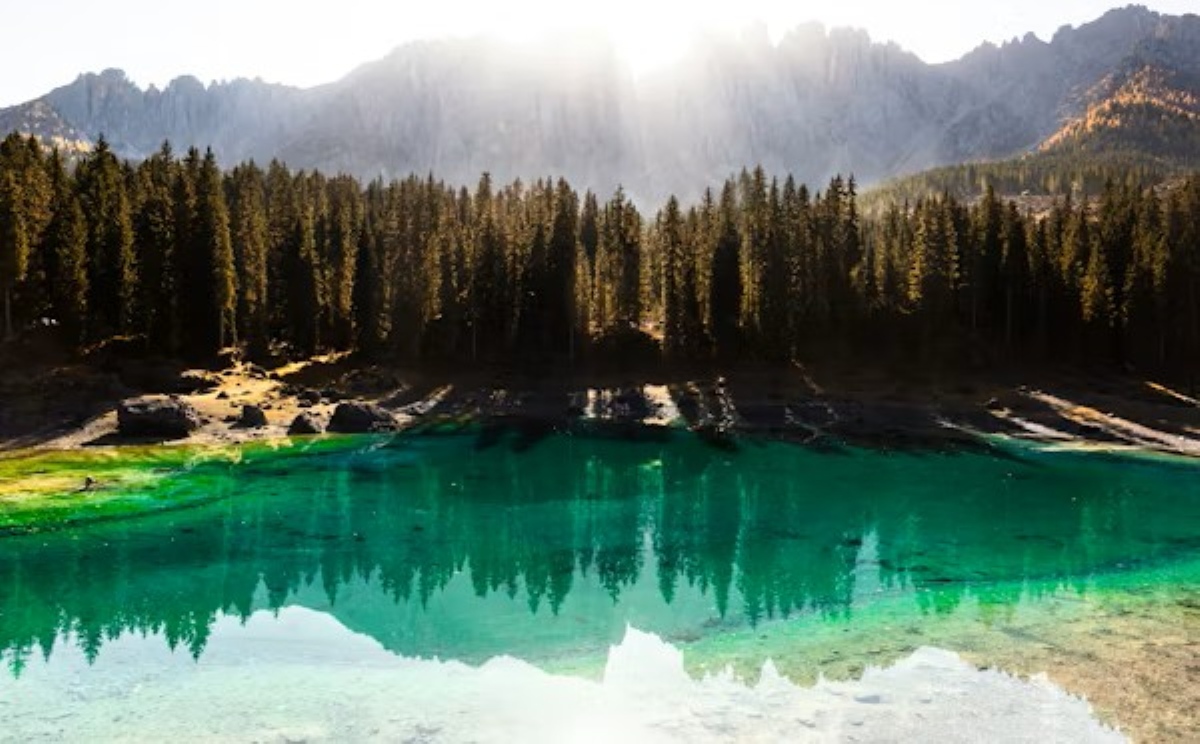
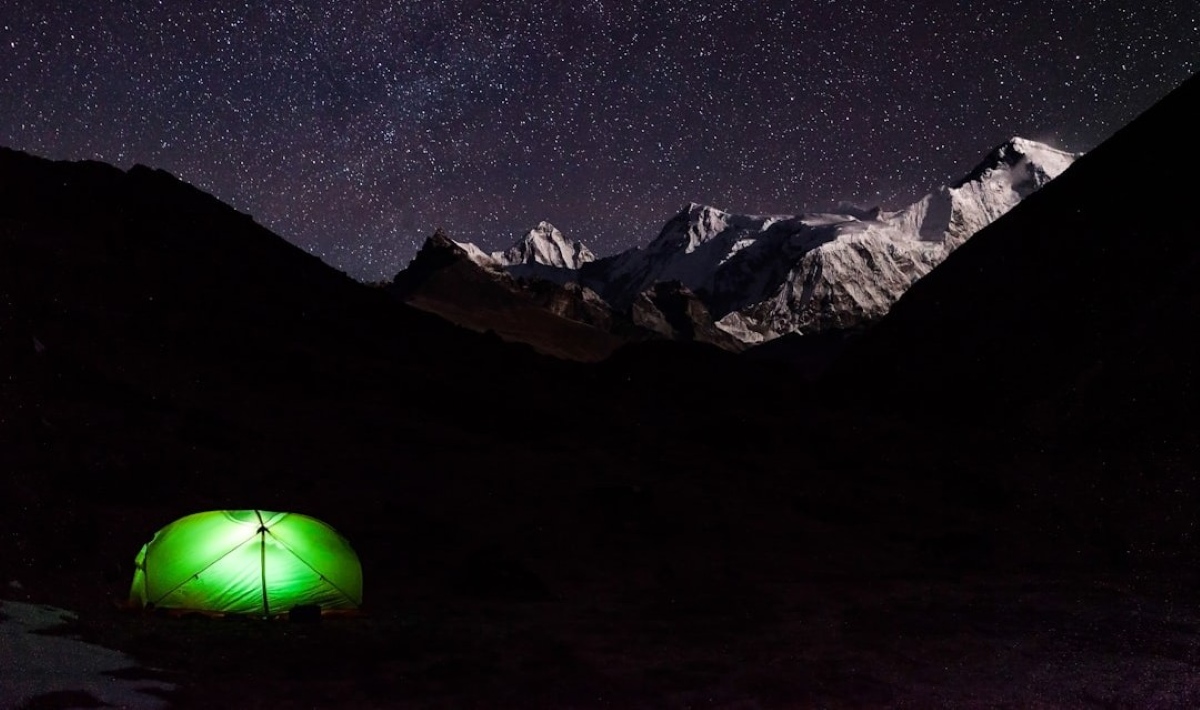
- The destination, Green Lake Base Camp, is not actually a lake in the traditional sense. Over the decades, glacial recession has caused the water to drain, leaving behind a vast, sandy basin surrounded by the world’s most formidable peaks. However, the name still carries the legacy of the emerald waters that once existed here. Standing at the base camp, you are positioned directly at the foot of Mount Kanchenjunga. The mountain does not just stand before you; it looms over you, its massive five summits forming a wall of ice and rock that seems to touch the heavens. The silence at the base camp is profound, broken only by the occasional roar of a distant avalanche or the cracking of the glacier underfoot. This is the sanctuary of the mountain gods, a place where the air is thin, the light is ethereal, and the human presence feels like a fleeting shadow against the backdrop of geological time.
- Physically and logistically, this trek is an undertaking of significant proportions. Due to its proximity to international borders, special permits are required, and the trek must be organized as a full-scale expedition with porters, cooks, and high-altitude equipment. The lack of teahouses means that self-sufficiency is key. Trekkers must endure extreme cold, unpredictable weather, and the physical toll of walking on unstable glacial terrain. Acclimatization is a slow and mandatory process, as the elevation gain is substantial. However, the reward for this hardship is a level of solitude and natural grandeur that is almost impossible to find elsewhere in the modern world. The Green Lake Base Camp Trek is not just a hike; it is a pilgrimage to the source of the mountains, a test of spirit, and a rare opportunity to witness the untouchable majesty of the Kanchenjunga massif.
Duration: 8 days,7 nights
Month: April, May, October, November.
Region: North Sikkim, India (Kanchenjunga National Park)
Trek Difficulty: Hard
Trek fee: 65000
Max Altitude: 5,050 meters
Trek distance: 100 km
Best Period:
April to May (Spring) and October to November (Autumn).
Stay:
Alpine camping in high-altitude tents.
Railway Head:
Lachen (North Sikkim).
Food:
High-energy expedition meals (Vegetarian).
WHO CAN JOIN
Age Requirement :
- Minimum Age: Minimum 18 years.
- Experience: Prior experience of at least two high-altitude treks (above 4,500m) is mandatory. This is not a trek for beginners.
Fitness Criteria
- Trekker should cover 5 km in 25-28 minutes or 10 km in 55 minutes.
- Ability to carry a 12-15 kg backpack on glacial terrain is required.
- Must be in the range of 18-28.
How to Reach
Pick-Up Information
From Gangtok, a private 4x4 vehicle (like a Bolero or Scorpio) is required to reach Lachen due to the rugged terrain of North Sikkim.
Options to Reach
Flight Option: Fly to Bagdogra Airport (IXB). From there, it is a 4-5 hour drive to Gangtok.
By Train
Reach New Jalpaiguri (NJP) Railway Station. Gangtok is 120 km from the station.
Journey Itinerary
Drive from Gangtok to Lachen
Drive to Thangu and Trek to Jakthang
Trek from Jakthang to Tallem
Trek from Tallem to Green Lake Base Camp
Exploration and Rest at Green Lake
Trek from Green Lake back to Tallem
Trek from Tallem to Jakthang
Trek to Thangu and Drive back to Lachen
Inclusions & Exclusions
Included
- Accommodation: Hotel or guesthouse stay in Gangtok and Lachen; high-quality four-season alpine tents on a twin-sharing basis during the trek.
- Meals: All freshly prepared high-energy meals (Breakfast, Lunch, Dinner) during the trek, including morning and evening snacks with soup.
- Permits: All necessary permits including Kanchenjunga National Park entry fees, Protected Area Permits (PAP), and environmental fees for North Sikkim.
- Transportation: Private 4x4 vehicle transfers from Gangtok to Lachen and back to Gangtok.
- Staff: Certified and highly experienced Trek Leader, local Sikkimese guides, professional mountain cook, and a dedicated team of porters/mules.
Excluded
- Travel: Airfare to Bagdogra Airport or train tickets to New Jalpaiguri (NJP) and any transport before/after Gangtok.
- Insurance: Mandatory high-altitude travel and medical insurance that covers emergency helicopter evacuation up to 6,000 meters.
- Personal Gear: Personal clothing, trekking boots, sleeping bags (can be rented), and trekking poles.
- Personal Expenses: Alcohol, mineral water, laundry, tips for staff, and any expenses arising from roadblocks or natural calamities.
- Offloading: Charges for porters to carry personal backpacks (if you do not wish to carry your own 12–15 kg load).
Kids Guidelines
- • Policy: Due to the extreme isolation, lack of medical facilities, and technical difficulty of the Zemu Glacier, children are not permitted on this expedition.
Captured Moments

Explore More Adventures

The Langtang Valley Trek, often called the "Valley of Glaciers," is a resilient and heart-stirrin...

The Gosaikunda Trek is a breathtaking alpine journey that leads to a cluster of sacred high-altit...

The Helambu Trek is the perfect "short and sweet" Himalayan adventure located surprisingly close ...
Happens, We're There
On-ground teams and real humans supporting you, before, during, and after your tour. Help when it truly matters.
Rating & Reviews
Share Your Experience
Begin Your Adventure Journey With Us
Trek through scenic trails, conquer new heights and experience the thrill of nature with unforgettable adventures in the great outdoors.
