Upper Dolpo Trek
Rs. 325000 per personBeyond Adventure
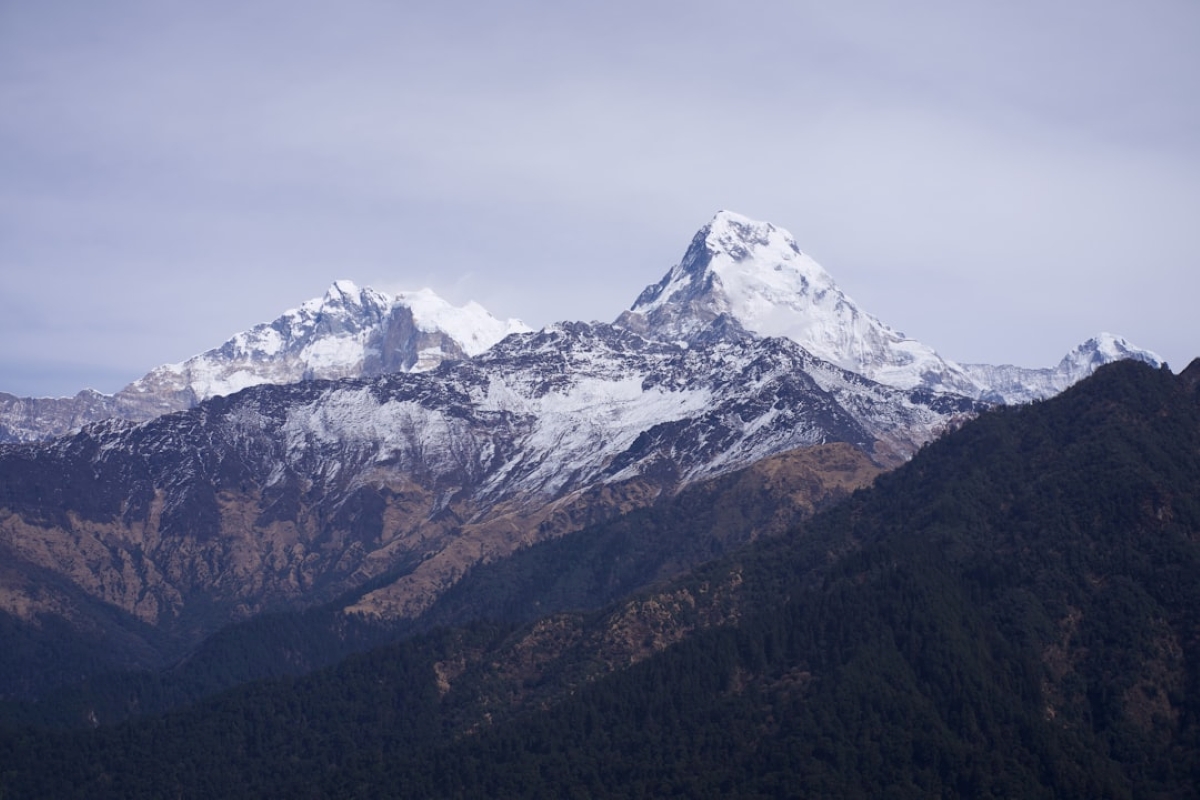
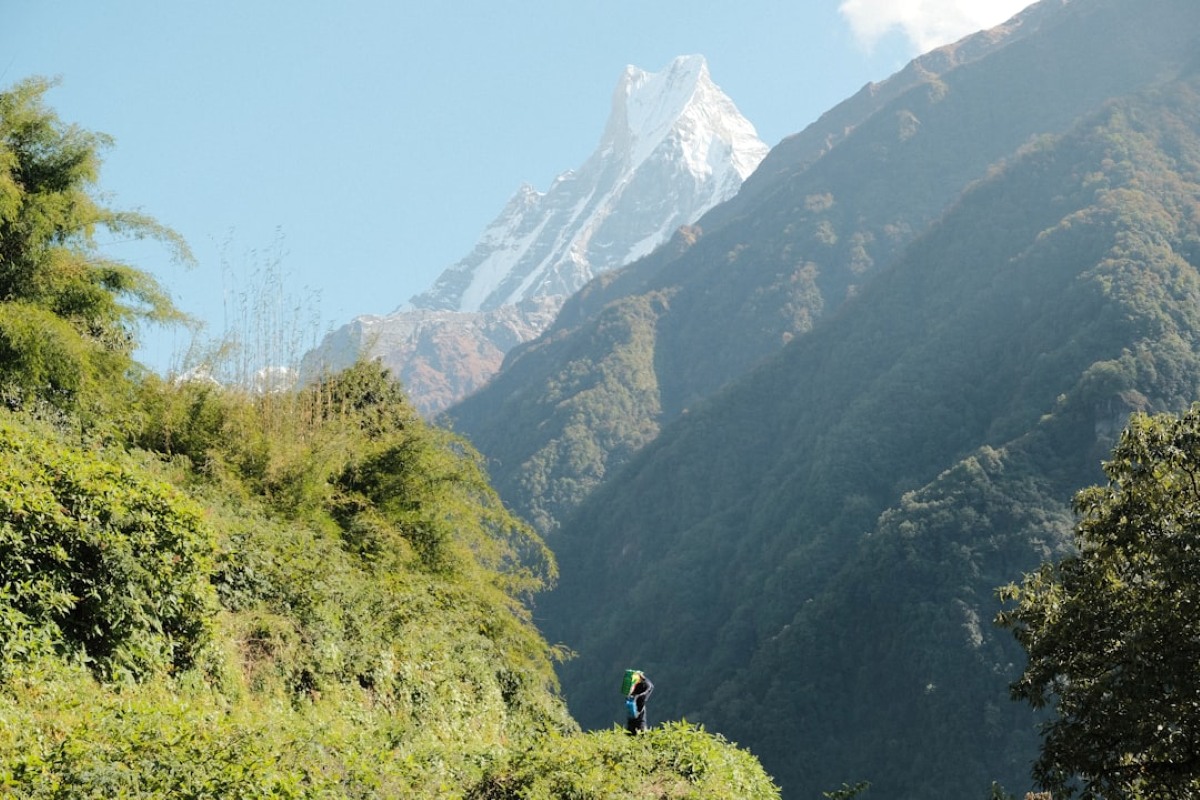
- The Upper Dolpo Trek is the ultimate frontier of Himalayan exploration, representing a journey into the most remote, rugged, and culturally preserved region of Nepal. Located in the far-western part of the country, tucked behind the massive Dhaulagiri range, Upper Dolpo is a high-altitude desert that remains one of the last bastions of the ancient Bon-Po religion and traditional Tibetan culture. For decades, this region was entirely closed to foreigners, and even today, its status as a restricted area ensures that only a handful of trekkers venture into its vast, silent landscapes each year. It is a land where time has seemingly stood still, where the geography mirrors the stark beauty of the Tibetan Plateau, and where the human spirit thrives in one of the most inhospitable environments on Earth.
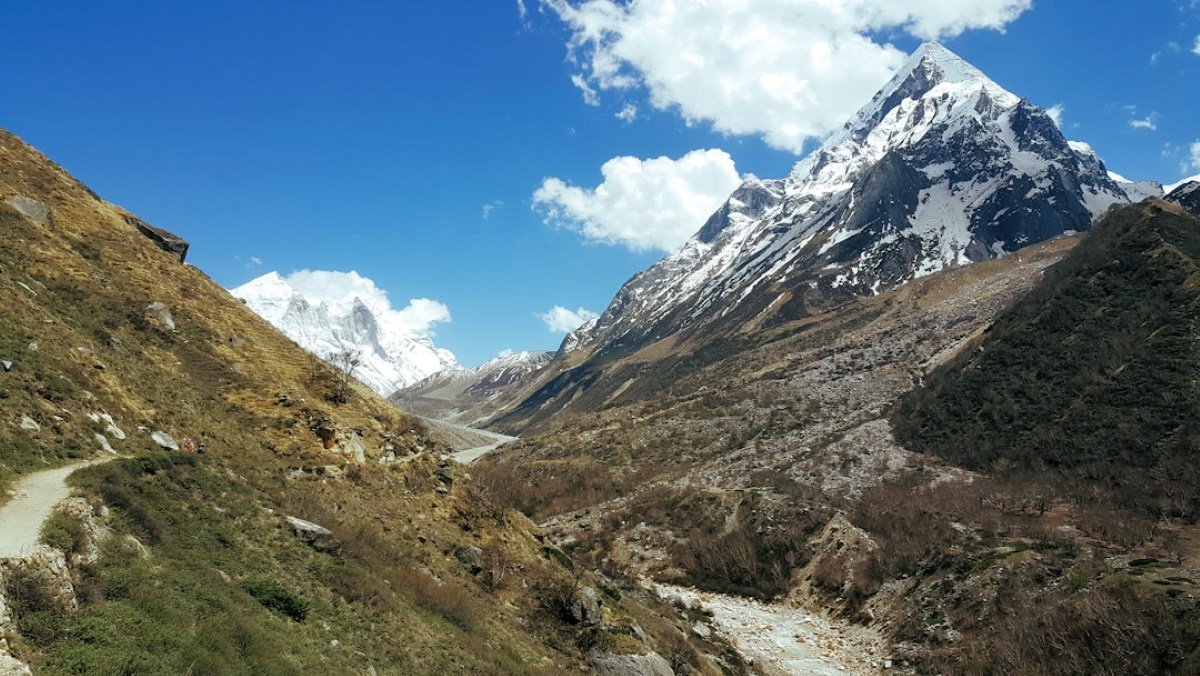
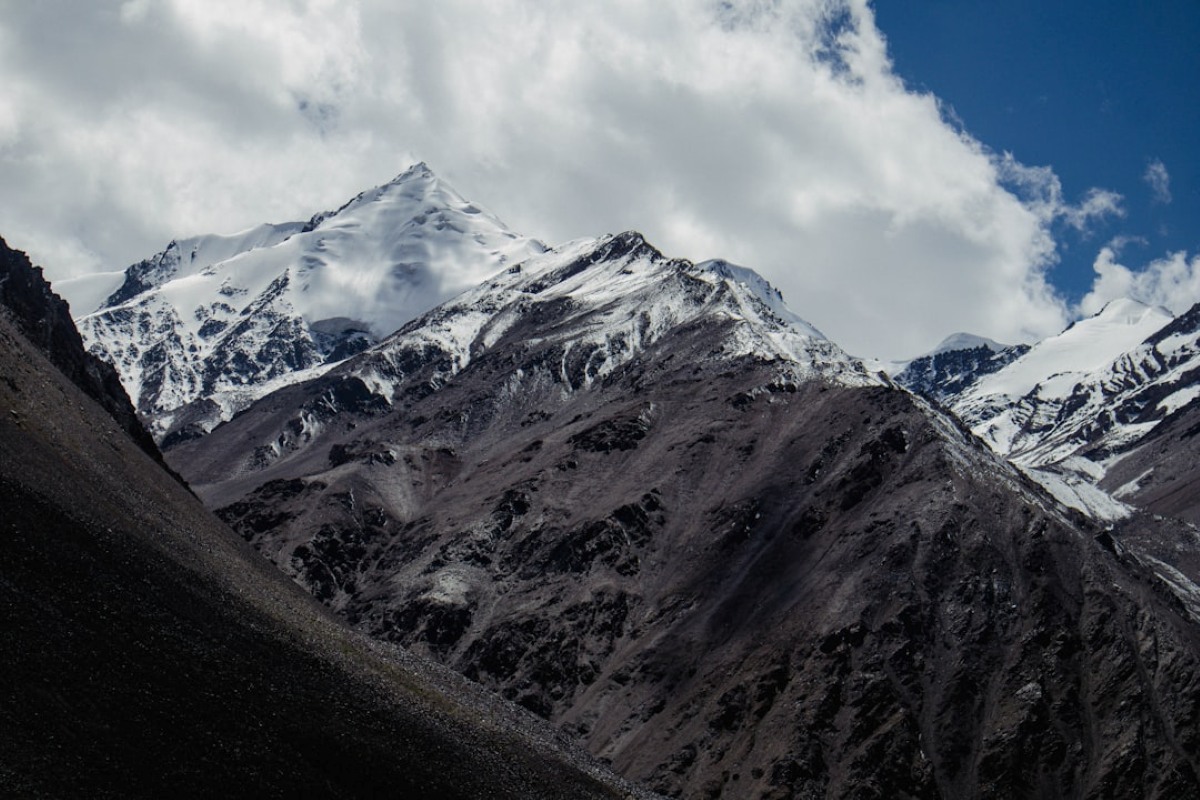
- The geographical allure of Upper Dolpo is defined by its dramatic trans-Himalayan scenery. Unlike the lush, green valleys of central Nepal, Dolpo is a rain-shadow region characterized by massive, wind-sculpted mountains in shades of ochre, sienna, and grey. The terrain is a labyrinth of deep canyons, high-alpine passes exceeding five thousand meters, and wide, barren plateaus. The centerpiece of this landscape is the legendary Shey Phoksundo Lake. This alpine lake, famous for its deep, ever-changing turquoise color, is the deepest in Nepal and is surrounded by sheer rock cliffs. The water is so pure and cold that it supports no aquatic life, giving it a mirror-like stillness that reflects the jagged peaks of the Kanjirowa massif. Walking along the famous "demon's trail"—a narrow path carved directly into the cliffs above the lake—is a pulse-racing experience that has been immortalized in world cinema.
- Culturally, Upper Dolpo is a living museum of the Bon-Po faith, an ancient animistic religion that predates Tibetan Buddhism. While much of the world has forgotten these traditions, the people of Dolpo, known as Dolpa-pas, continue to practice rituals that have remained unchanged for a millennium. The trek leads to the historic Shey Gompa, an 11th-century monastery situated at the base of the sacred Crystal Mountain. Every year, pilgrims circumambulate this mountain, much like Mount Kailash in Tibet, seeking spiritual purification. The villages in the region, such as Dho Tarap, are among the highest human settlements in the world. These clusters of flat-roofed stone houses are surrounded by fields of barley and buckwheat, irrigated by ancient systems that tap into glacial meltwater. The sight of yak caravans moving across these high plains, carrying salt and grain, is a scene straight out of a bygone era.
- The trek is also a journey through the Shey Phoksundo National Park, Nepal’s largest national park, which serves as a sanctuary for some of the rarest wildlife on the planet. This is the land of the elusive Snow Leopard, a creature so well-camouflaged against the grey rocks that it is often called the "ghost of the mountains." Trekkers frequently spot Himalayan Blue Sheep (Bharal), which are the primary prey of the snow leopard, as well as Tibetan wolves and various species of eagles soaring in the thin, crisp air. The isolation of Dolpo has protected these species from the encroachment of modern development, making it a critical biodiversity hotspot for high-altitude flora and fauna.
- Physically, the Upper Dolpo Trek is one of the most demanding journeys in the Himalayas. It requires crossing multiple high passes, including Kang La, Numa La, and Baga La, all of which sit above five thousand meters. These crossings are grueling, requiring mental grit and physical stamina, but they reward the trekker with views that are unparalleled in their vastness. From the top of these passes, the view stretches north into the endless brown hills of Tibet and south toward the icy summits of the Dhaulagiri range. The trek is primarily a camping expedition, as the infrastructure is minimal, adding a layer of raw adventure to the experience.
Duration: 24 Days, 23 Nights
Month: September to November or March to May
Region: Nepal
Trek Difficulty: Hard
Trek fee: 325000
Max Altitude: 5083m
Trek distance: 220 km
Best Period:
September to November and March to May
Stay:
Teahouses and camps
Railway Head:
Kathmandu
Food:
Local cuisine
WHO CAN JOIN
Age Requirement :
- Minimum Age: 18 Years.
- Experience: Prior high-altitude experience (above 5,000m) is absolutely mandatory. This trek is classified as "Strenuous to Extreme" and is not for beginners.
- Fitness: Trekkers must have high physical and mental endurance to handle 22-28 days of camping and crossing multiple passes over 5,000m.
Fitness Criteria
- Ability to jog 10 km in 60-70 minutes or 5 km in 25 minutes. Exceptional cardiovascular health is required.
- You must be able to carry a 8–12 kg daypack for essentials, as support staff is busy with camping logistics.
- trictly 18.5–27.5. High BMI is a significant risk factor for AMS in this isolated region where rescue is delayed.
How to Reach
Pick-Up Information
You will be transferred to the domestic airport for a flight to Nepalgunj, followed by another mountain flight to Juphal.
Options to Reach
Upper Dolpo is one of the few regions in Nepal with zero road access. It is entirely dependent on twin-otter mountain flights.
Air Option: Two flights are required. First, a 1-hour flight from Kathmandu to Nepalgunj, then a 45-minute flight from Nepalgunj to Juphal.
Note: Flights to Juphal are highly weather-dependent and often get delayed. There is no train or road option to reach the trailhead directly.
Journey Itinerary
Fly from Kathmandu to Nepalgunj
Fly to Juphal and Trek to Dunai
Trek from Dunai to Tarakot
Trek from Tarakot to Laini
Trek from Laini to Nawarpani
Trek from Nawarpani to Dho Tarap
Acclimatization Day in Dho Tarap
Trek from Dho Tarap to Numa La Base Camp
Cross Numa La Pass and Trek to Pelung Tang
Cross Baga La Pass and Trek to Dajok Tang
Trek from Dajok Tang to Shey Phoksundo Lake
Exploration Day at Phoksundo Lake
Trek from Phoksundo Lake to Phoksundo Khola
Trek from Phoksundo Khola to Phoksundo Bhanjyang
Cross Kang La Pass and Trek to Shey Gompa
Exploration Day at Shey Gompa
Cross Saldang La Pass and Trek to Namgung
Trek from Namgung to Saldang
: Trek from Saldang to Sibu
Trek from Sibu to Jeng La Phedi
Cross Jeng La Pass and Trek to Tokyu
Trek from Tokyu to Dunai
Trek from Dunai to Juphal
Fly to Nepalgunj and then to Kathmandu
Inclusions & Exclusions
Included
- Special Permits: All restricted area permits for Upper and Lower Dolpo and National Park entries.
- Flights: All domestic flights including Kathmandu-Nepalgunj and Nepalgunj-Juphal return.
- Staff: Professional government-licensed guide, cook, and porters/mules for luggage and equipment.
- Camping Gear: High-altitude tents, dining tents, kitchenware, and foam mattresses.
- Full Board Meals: Breakfast, hot lunch, and freshly cooked dinner throughout the trekking period.
Excluded
- Nepal Visa: Tourist visa fee to be paid at the airport.
- Insurance: Comprehensive travel insurance covering emergency helicopter evacuation (Mandatory).
- Personal Items: Trekking gear like sleeping bags, down jackets, and personal medicines.
- Staff Tips: Customary gratuities for the trekking crew and flight staff.
Kids Guidelines
- • This trek is NOT recommended for children under 18. The extreme isolation, lack of medical facilities, and multiple passes over $5,000$m make it a high-risk environment for kids. If highly experienced teenagers are joining, they must have a proven record of handling $5,000$m+ altitudes and long camping durations.
Captured Moments

Explore More Adventures

The Langtang Valley Trek, often called the "Valley of Glaciers," is a resilient and heart-stirrin...

The Gosaikunda Trek is a breathtaking alpine journey that leads to a cluster of sacred high-altit...

The Helambu Trek is the perfect "short and sweet" Himalayan adventure located surprisingly close ...
Happens, We're There
On-ground teams and real humans supporting you, before, during, and after your tour. Help when it truly matters.
Rating & Reviews
Share Your Experience
Begin Your Adventure Journey With Us
Trek through scenic trails, conquer new heights and experience the thrill of nature with unforgettable adventures in the great outdoors.
