Deo Tibba Base Camp Trek
Rs. 12000 per personBeyond Adventure
- The Deo Tibba Base Camp Trek is a quintessential Himalayan experience that captures the mystical essence of the Kullu Valley in Himachal Pradesh. Often referred to as the Valley of Gods, this trek is much more than a physical journey through high-altitude terrain; it is a walk through ancient mythology, legendary traditions, and some of the most spectacular alpine scenery in the Pir Panjal range. Standing at an elevation of four thousand four hundred eighty meters at its highest point, the trail serves as a gateway to the majestic peaks that dominate the northern horizon. It is a trek that offers a profound sense of solitude, spiritual energy, and a panoramic window into the snowy peaks of the Great Himalayas. The geography of the Kullu Valley is uniquely suited for those who wish to experience the transition from dense, temperate forests to the high-alpine tundra without the extreme technicality required by peaks like Everest or Kanchenjunga.
- The journey begins in the historic town of Jagatsukh, the former capital of the Kullu Rajas. Jagatsukh itself is a treasure trove of heritage, featuring ancient stone temples that stand as a testament to indigenous craftsmanship. The village is perched on the left bank of the Beas River and serves as the primary starting point for several high-altitude expeditions. As you leave the stone and wood architecture behind and move toward the base village of Khanol, the atmosphere shifts from the historical to the natural. The climb starts with a steep ascent through the thickest canopy of deodar and oak trees found in the region. These forests are ancient, with trees that have stood for centuries, their roots gripping the mountainside with a tenacity that mirrors the spirit of the local people. The air is thick with the scent of pine and the sound of distant mountain streams, creating a sanctuary-like environment that immediately disconnects the trekker from the chaos of the plains.
- As the trail gains altitude, the dense canopy opens up into the legendary alpine meadows of Chhika and Seri. These high-altitude grasslands are among the most beautiful in India. During the summer months, these meadows are carpeted with a riot of wildflowers, ranging from vibrant rhododendrons to delicate Himalayan primulas. Seri was once a high-altitude glacial lake, but it is now a massive meadow where the Jagatsukh Nala meanders in serpentine curves, creating a serene landscape that feels like a painting. The vastness of Seri is humbling; it is a place where the mountains seem to step back to give the traveler room to breathe. Standing in the middle of this meadow, one can see the massive walls of the Pir Panjal range closing in, with waterfalls cascading down thousand-foot cliffs like silver threads against the dark rock.
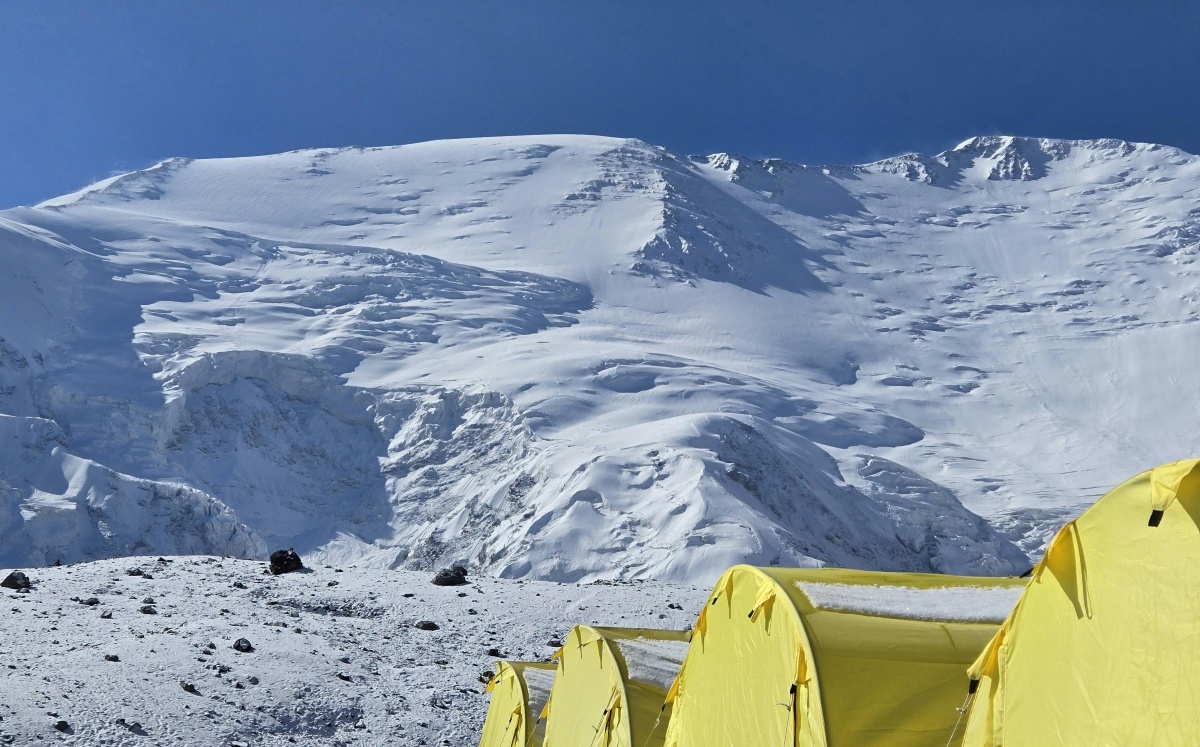
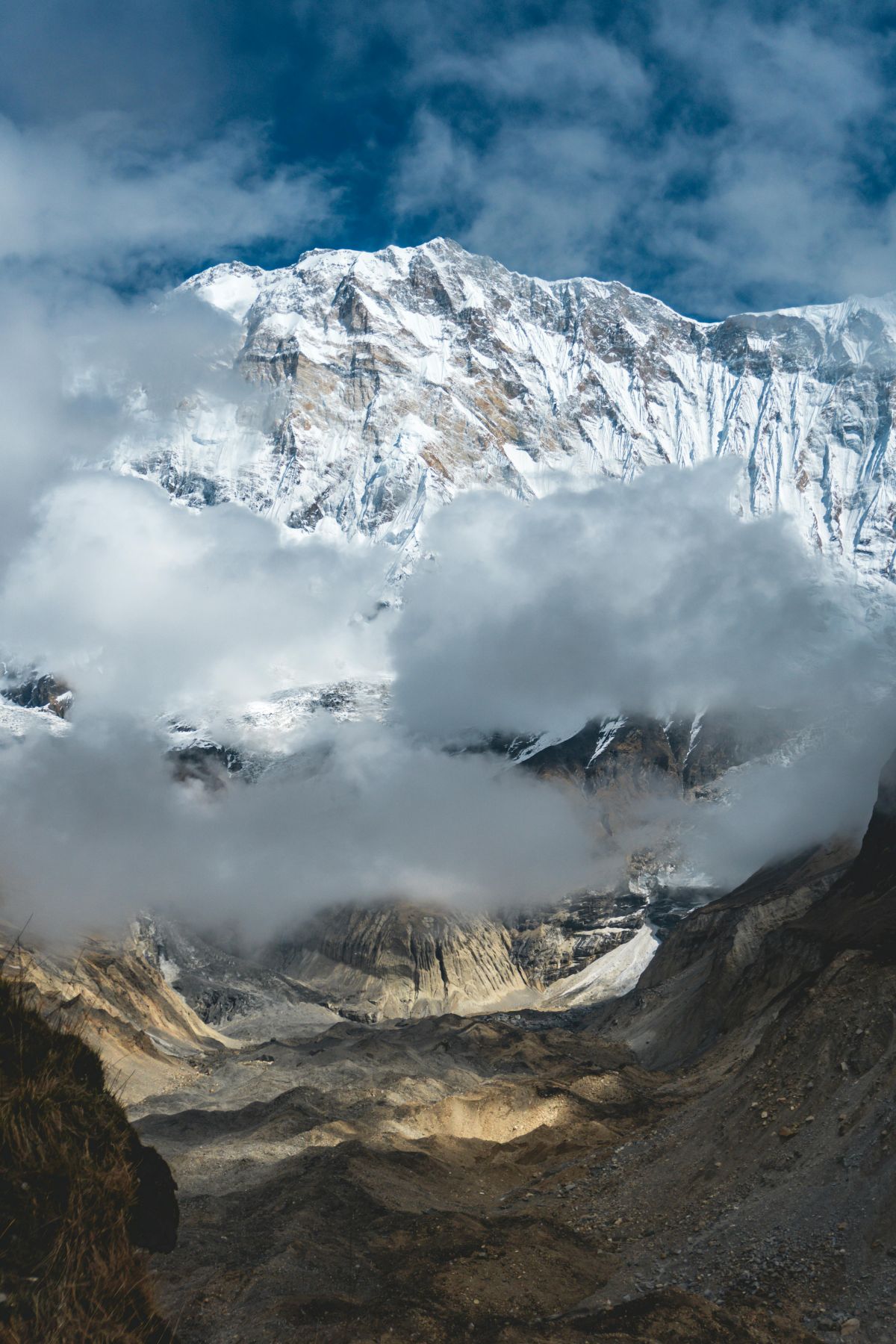
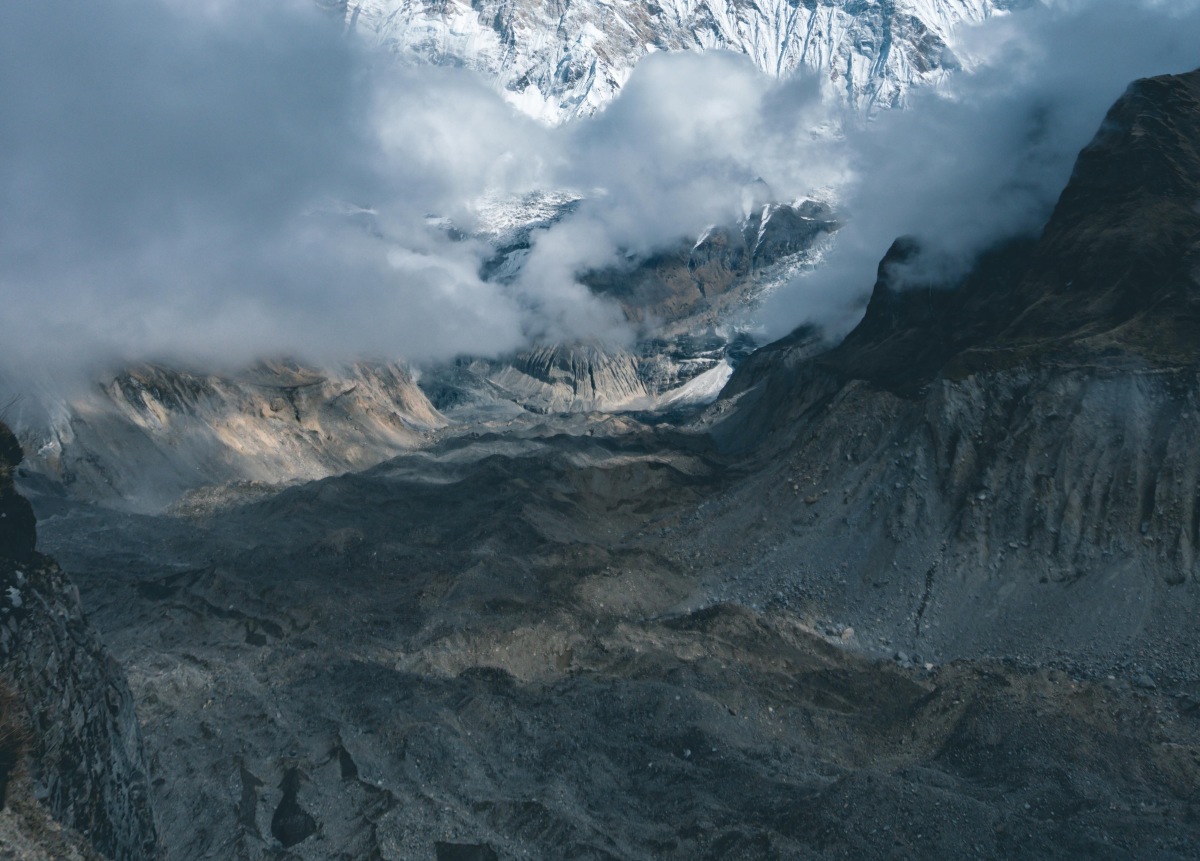
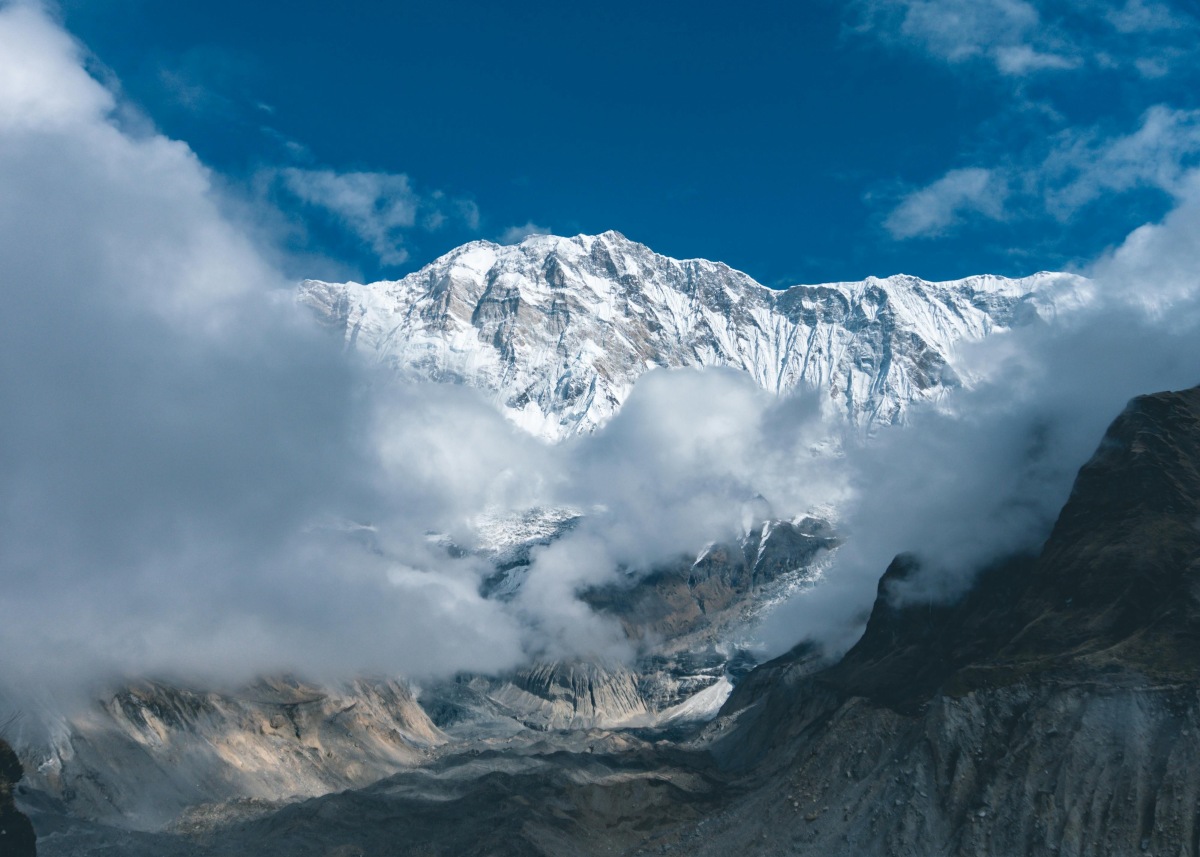
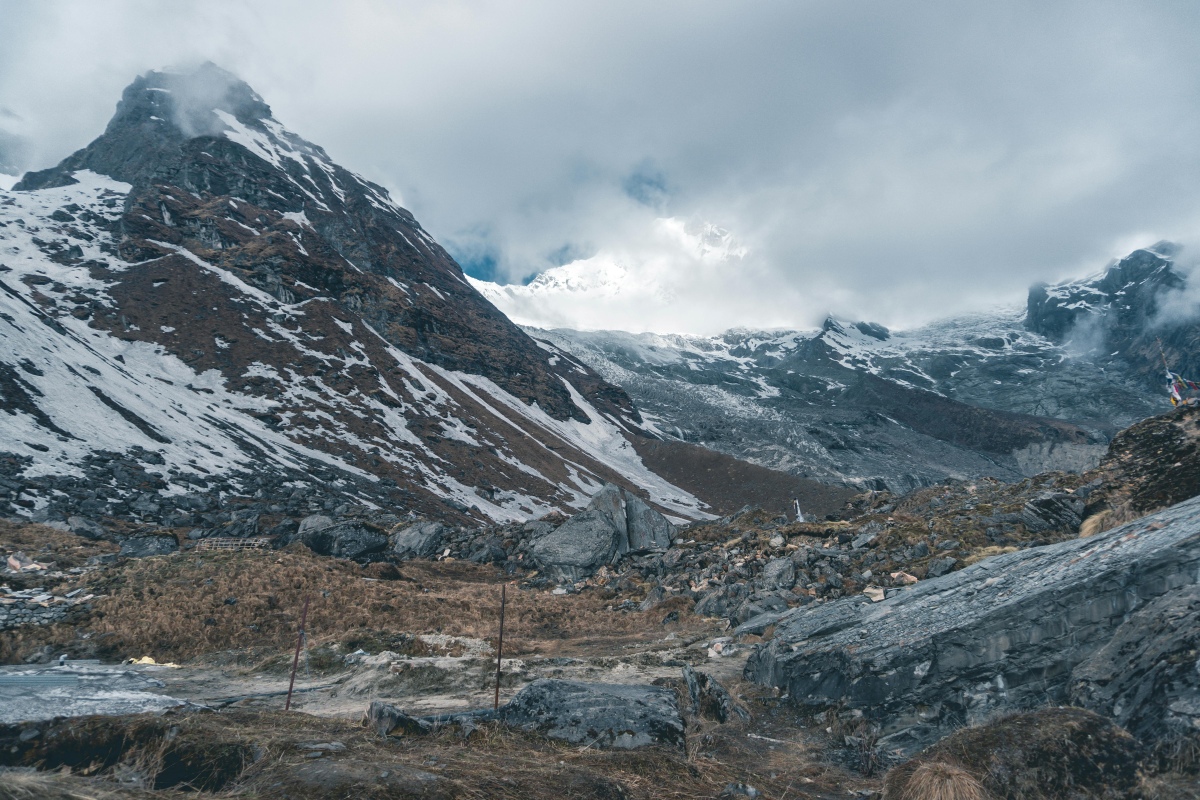
- The centerpiece of the trek is the ascent to the base camp at Tainta and the final push toward the shimmering blue waters of Chhota Chandertal. This high-altitude lake sits nestled in a rocky basin reflecting the surrounding glaciers and peaks. The climb to Tainta is a transition into the world of moraines and glacial debris. The lush greenery of the lower valleys is replaced by the raw, unadulterated power of the high Himalayas. The wind here carries the chill of the Deo Tibba glacier, a reminder of the proximity to the six-thousand-meter peak. Mount Deo Tibba itself, according to local belief, is the assembly point of the gods, and the dome-shaped summit is said to be the seat of Lord Indra. This spiritual significance adds a layer of reverence to the trek, as locals and trekkers alike move through the landscape with a sense of wonder.
- The trek is particularly popular among photographers and nature lovers due to the variety of landscapes, from waterfalls and river crossings to massive moraines and snow-capped summits. Unlike the more crowded trails in the Parvati Valley, the route to Deo Tibba remains relatively pristine. It offers the thrill of high-altitude adventure without the extreme technical difficulty of a mountain pass, making it a favorite for those seeking beauty and solitude in the heart of the mountains. The return journey allows for a deeper appreciation of the ecosystems, as the descent provides a different perspective on the sheer verticality of the Kullu Valley. The Deo Tibba Base Camp Trek is ultimately a celebration of the balance between the delicate beauty of the meadows and the formidable power of the high peaks, leaving an indelible mark on the soul of every traveler who traverses its path.
Duration: 6 days,5 nights
Month: June, July, August, September.
Region: Kullu Valley, Himachal Pradesh, India.
Trek Difficulty: Moderate to Hard
Trek fee: 12000
Max Altitude: 4,480 meters
Trek distance: 45–50 km
Best Period:
June to September.
Stay:
Alpine tents on a twin-sharing basis.
Railway Head:
Khanol / Jagatsukh (near Manali).
Food:
Nutritious vegetarian mountain meals.
WHO CAN JOIN
Age Requirement :
- Minimum Age: Minimum 12 years.
- Experience: First-timers with good fitness are welcome, though prior trekking experience is an advantage.
Fitness Criteria
- The trekker should have sufficient stamina to cover 5 km of distance in 30 minutes without stress.
- Trekkers should be able to carry a 10-12 kg backpack; if offloading, a 3-5 kg daypack is necessary.
- Trekkers should ideally fall within the 18-28 range; those outside must consult a coordinator.
How to Reach
Options to Reach
Flight Option: Fly to Kullu-Manali Airport (Bhuntar). Manali is just 50 km from the airport.
By Train
Reach Chandigarh or Pathankot Station and take a bus/taxi to Manali.
By Bus
Take an overnight Volvo bus from Delhi or Chandigarh to Manali and deboard at Patlikuhal.
Journey Itinerary
Drive from Manali to Khanol and Trek to Chhika
Trek from Chhika to Seri
Trek from Seri to Tainta
Exploration of Chhota Chandertal and return to Tainta
Descend from Tainta to Chhika
Trek to Khanol and Drive back to Manali
Inclusions & Exclusions
Included
- Accommodation: Alpine tents on a twin-sharing basis during the trek.
- Meals: All nutritious vegetarian meals from Day 1 lunch to Day 6 lunch.
- Guide & Staff: Certified trek leaders and support staff including cooks and porters.
- Safety Gear: First aid kits and oxygen cylinders for emergency use.
Excluded
- Personal Expenses: Laundry, phone calls, and tips.
- Beverages: Bottled water and aerated drinks.
- Offloading: Charges for carrying personal backpacks by porters/mules.
Kids Guidelines
- • Children must be accompanied by a parent or guardian and should have a basic level of physical activity in their daily routine.
Captured Moments

Explore More Adventures

The Langtang Valley Trek, often called the "Valley of Glaciers," is a resilient and heart-stirrin...

The Gosaikunda Trek is a breathtaking alpine journey that leads to a cluster of sacred high-altit...

The Helambu Trek is the perfect "short and sweet" Himalayan adventure located surprisingly close ...
Happens, We're There
On-ground teams and real humans supporting you, before, during, and after your tour. Help when it truly matters.
Rating & Reviews
Share Your Experience
Begin Your Adventure Journey With Us
Trek through scenic trails, conquer new heights and experience the thrill of nature with unforgettable adventures in the great outdoors.
