Annapurna Lubra Trek
Rs. 48000 per personBeyond Adventure
- The Annapurna Lubra Trek is a profound exploration into the hidden corridors of the Lower Mustang region, serving as a bridge between the popular Annapurna Circuit and the ancient, spiritual world of the Bon religion. This journey begins as a departure from the bustling hubs of Jomsom and Muktinath, leading trekkers into a landscape that feels significantly older and more silent than the rest of the Himalayas. Historically, the village of Lubra was established in the 12th century by Lama Tashi Gyalzen, a practitioner of the Bon faith who migrated from Tibet in search of a sanctuary where his traditions could flourish undisturbed. Today, Lubra stands as one of the last remaining strongholds of this pre-Buddhist religion in Nepal, where the community continues to practice non-celibate priesthood and ancient rituals that predate the arrival of Shakyamuni Buddha's teachings in the mountains. The village is nestled deep within the Panda Khola gorge, sheltered by massive, wind-eroded cliffs that change color from ochre to deep purple as the sun moves across the sky. The architecture of Lubra is a testament to Himalayan resilience, featuring flat-roofed mud-brick houses stacked closely together to shield against the legendary winds that howl through the Kali Gandaki valley every afternoon.
- As you walk through the narrow, cobbled streets of the village, you encounter a spiritual atmosphere that is distinctively different from Buddhist settlements. In Bon tradition, practitioners circumambulate shrines and Mani walls in a counter-clockwise direction, a subtle yet powerful reminder of the deep-rooted differences in their cosmology. The Lubra Gompa, the village's spiritual heart, is an 800-year-old sanctuary filled with ancient frescoes, wooden statues, and sacred manuscripts that have been preserved for generations. The air inside is thick with the scent of juniper and butter lamps, and if you are fortunate, you may hear the resonance of conch shells and drums during a local ceremony. The residents of Lubra are primarily farmers and herders who have mastered the art of survival in a high-altitude desert. Their daily lives revolve around the seasonal planting of buckwheat and barley, and the tending of apple orchards that produce some of the most flavorful fruits in the Mustang region. This connection to the land is a vital part of their identity, and as a trekker, staying in a local homestay allows you to witness this harmonious relationship firsthand.
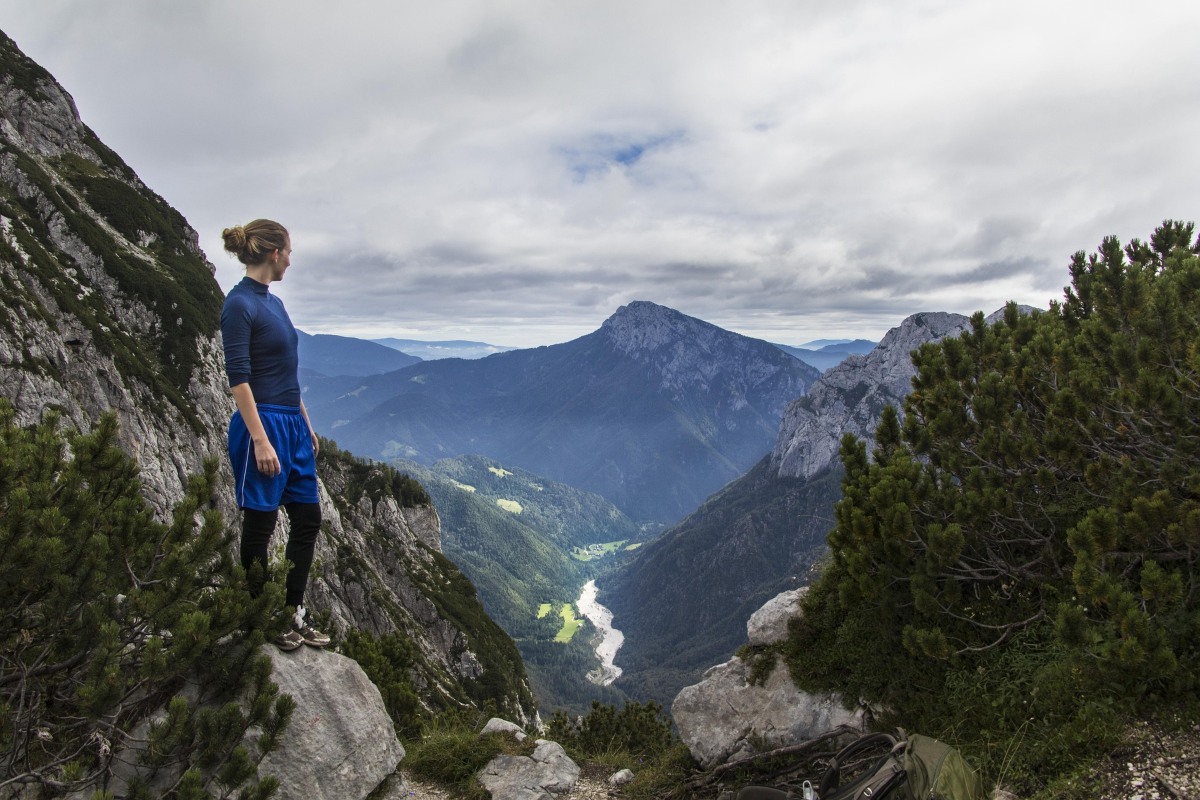
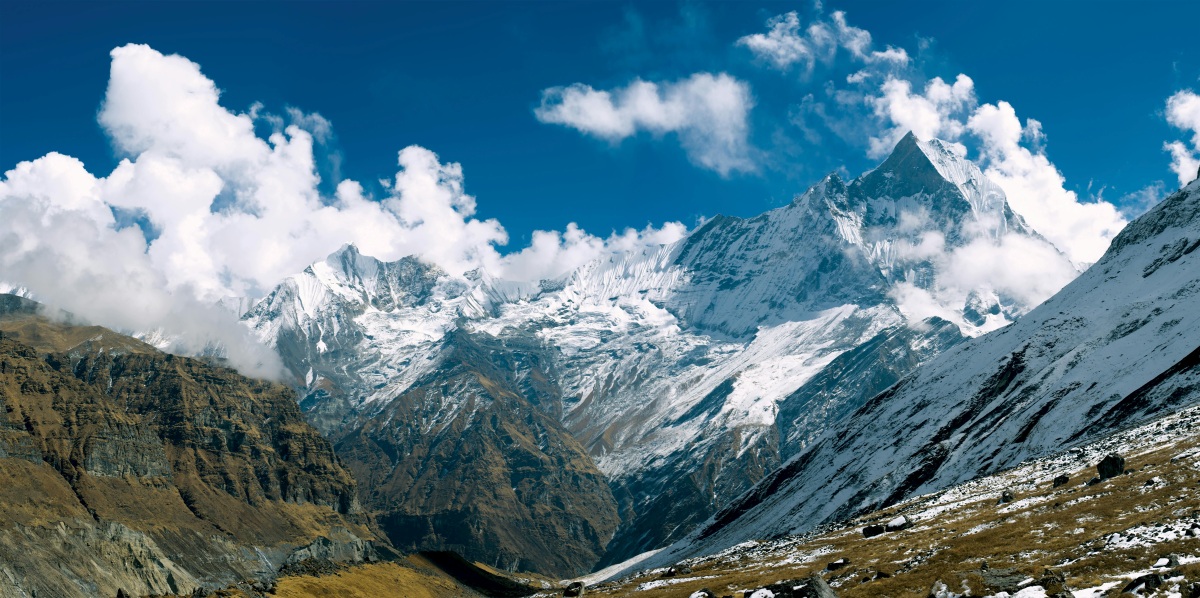
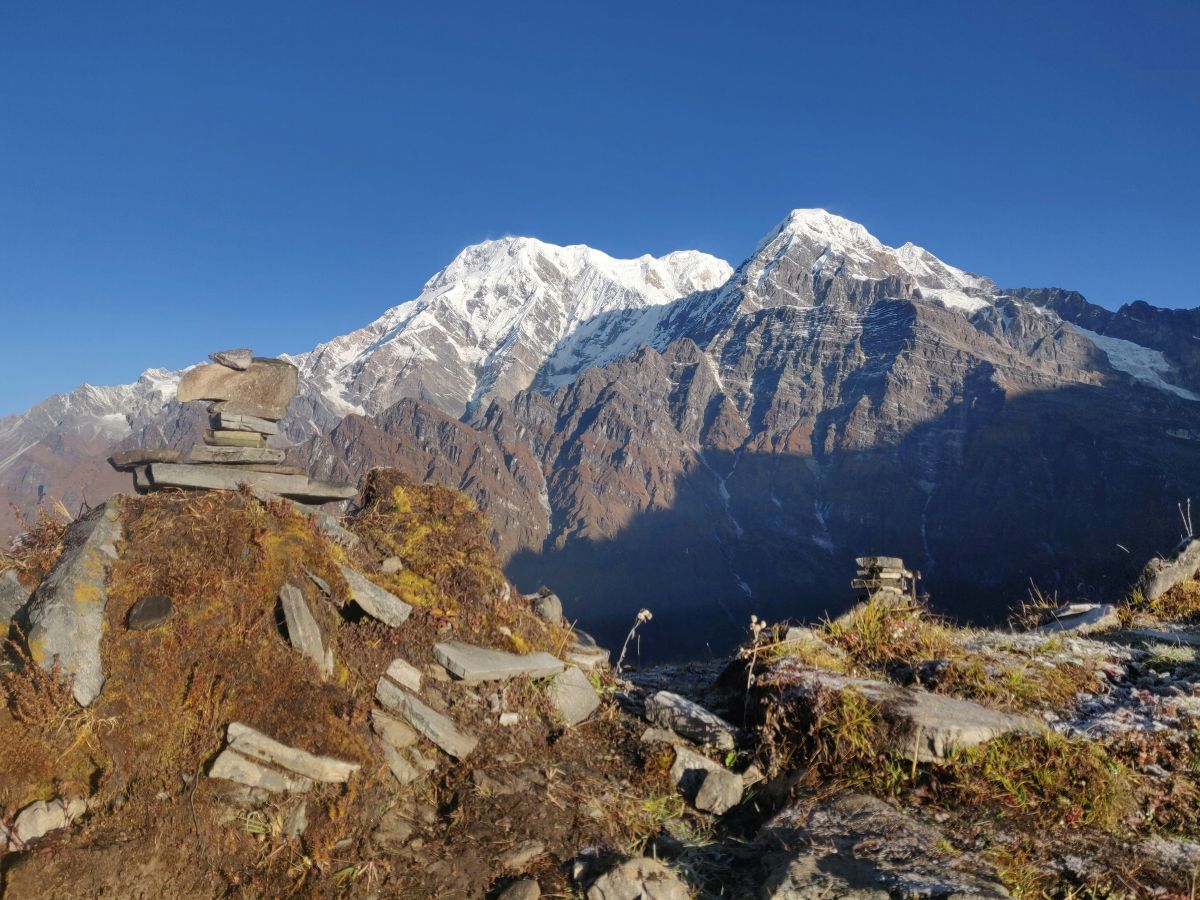
- The geographical transition on this trek is equally captivating. Starting from the wide, riverbed-dominated terrain of Jomsom, the trail climbs steadily toward the Lubra Pass, which sits at approximately 4,100 meters. This ascent provides a panoramic classroom of geological history. The entire Mustang region was once part of the Tethys Sea floor millions of years ago, and the presence of "Saligrams"—ammonite fossils—in the riverbeds and cliffs is a constant reminder of the earth's monumental shifts. Reaching the Lubra Pass is a moment of pure Himalayan grandeur; the horizon is dominated by the colossal massifs of Dhaulagiri and Nilgiri, their snow-covered faces gleaming against the arid, desert-like foreground. The descent from the pass into the Lubra Valley is a journey through silent, windswept meadows and rocky gullies where the only company you might find is a herd of Himalayan blue sheep or a soaring lammergeier. This isolation is what makes the Lubra Trek so special; while thousands of trekkers pass through the nearby Muktinath, only a handful take the detour into this sacred valley.
- Culturally, the trek offers an immersion into the "Baragaun" or the "Twelve Villages" community, where the mix of Thakali and Tibetan influences has created a unique social fabric. The hospitality of the people is legendary, centered around the sharing of "Dhido" (millet or buckwheat porridge), spicy yak meat, and traditional salty butter tea. The evenings in Lubra are spent around wood-fired stoves, where elders share oral histories of their ancestors’ migration and the myths associated with the nearby sacred caves. These caves, carved high into the cliffs, are believed to have been used by ancient meditators and still hold an aura of mystery and sanctity. The journey back to Jomsom via the Ekle Bhatti route follows the banks of the Kali Gandaki, the world's deepest gorge, where the sheer scale of the mountains above makes one feel incredibly small. The Annapurna Lubra Trek is not just a physical movement from one point to another; it is a pilgrimage through time, a lesson in the endurance of ancient faiths, and a rare opportunity to see the Himalayas through the eyes of a community that has called these arid cliffs home for nearly a thousand years. It is a trek for the soul as much as it is for the body, leaving every traveler with a sense of peace and a deeper understanding of the diverse spiritual tapestry that defines the mountains of Nepal.
Duration: 6 days,5 nights
Month: April, May, September, November
Region: Annapurna
Trek Difficulty: Moderate
Trek fee: 48000
Max Altitude: 4200m
Trek distance: 45–55 km
Best Period:
Spring (April, May) and Autumn (September, November)
Stay:
Tea houses and homestays
Railway Head:
Pokhara
Food:
Nepali and international cuisine
WHO CAN JOIN
Age Requirement :
- Minimum Age: 10 Years.
- Experience: Beginner friendly. No prior high-altitude experience is necessary, making it ideal for families and seniors.
- Fitness: Moderate fitness is required to handle 4–6 hours of walking, especially during the ascent to Lubra Pass.
Fitness Criteria
- Ability to jog 3-5 km in 35 minutes comfortably.
- A light 3-5 kg daypack is sufficient for daily essentials.
- A healthy range of 18.5–29.5 is recommended.
How to Reach
Pick-Up Information
Transfer to the airport for a mountain flight or a private Jeep for an overland journey to the Mustang district.
Options to Reach
Lubra Valley is located in the Lower Mustang region. It can be reached via a spectacular flight into Jomsom or a rugged road journey.
Air Option: A 20-minute flight from Pokhara to Jomsom. This is the most scenic and time-saving option.
Road Option: A 10–12 hour drive from Pokhara to Jomsom/Kagbeni via the world's deepest gorge at Dana.
Trek Start: The actual walking begins from Jomsom or Kagbeni towards the Lubra Pass.
Journey Itinerary
Fly from Pokhara to Jomsom and Trek to Kagbeni
Trek from Kagbeni to Jharkot
Visit Muktinath Temple and Trek to Lubra Village
Explore Lubra Village and Trek to Jomsom
Day Hike to Dhumba Lake and Marpha Village
Fly from Jomsom to Pokhara
Inclusions & Exclusions
Included
- Stay: Standard hotel in Kathmandu (2 nights) and mountain teahouses during the trek.
- Meals: Full board (Breakfast, Lunch, Dinner) throughout the trekking days.
- Permits: All necessary National Park entry permits and TIMS registration cards.
- Staff: Licensed English-speaking guide and professional porters (1 porter for 2 trekkers).
- Transport: Private or public transport from Kathmandu to the trek starting and ending points.
Excluded
- Insurance: Travel insurance covering high-altitude rescue and medical expenses.
- Personal Gear: Sleeping bags, down jackets, and trekking poles.
- Extra Bills: Battery charging, hot water, Wi-Fi, and alcoholic beverages.
- Tips: Gratuities for the trekking crew.
Kids Guidelines
- • This is a very safe and engaging trek for children. The moderate altitude and well-defined trails make it easy for small legs. Encourage them to look for fossils in the riverbed—it's like a real-life treasure hunt! Ensure they wear windproof jackets as the Kali Gandaki valley can get very windy in the afternoons.
Captured Moments

Explore More Adventures

The Langtang Valley Trek, often called the "Valley of Glaciers," is a resilient and heart-stirrin...

The Gosaikunda Trek is a breathtaking alpine journey that leads to a cluster of sacred high-altit...

The Helambu Trek is the perfect "short and sweet" Himalayan adventure located surprisingly close ...
Happens, We're There
On-ground teams and real humans supporting you, before, during, and after your tour. Help when it truly matters.
Rating & Reviews
Share Your Experience
Begin Your Adventure Journey With Us
Trek through scenic trails, conquer new heights and experience the thrill of nature with unforgettable adventures in the great outdoors.
