Everest High Pass Trek
Rs. 110000 per personBeyond Adventure
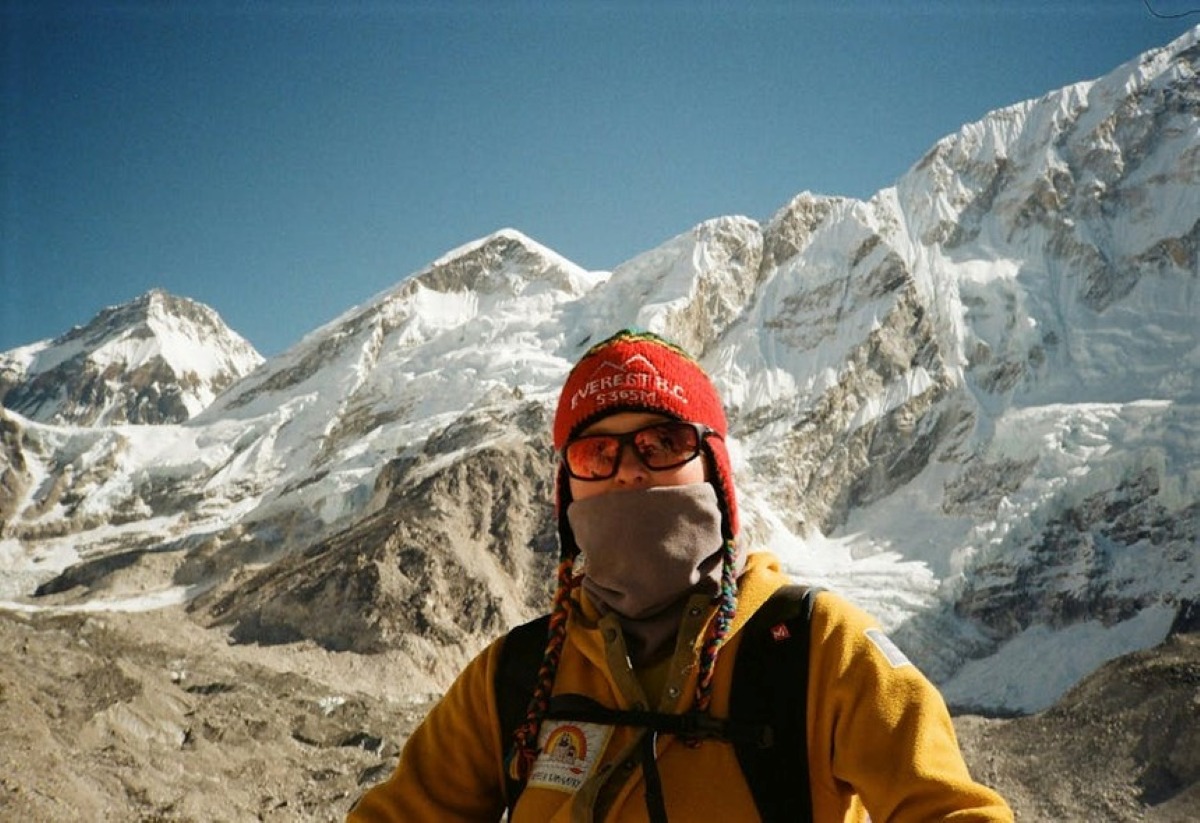
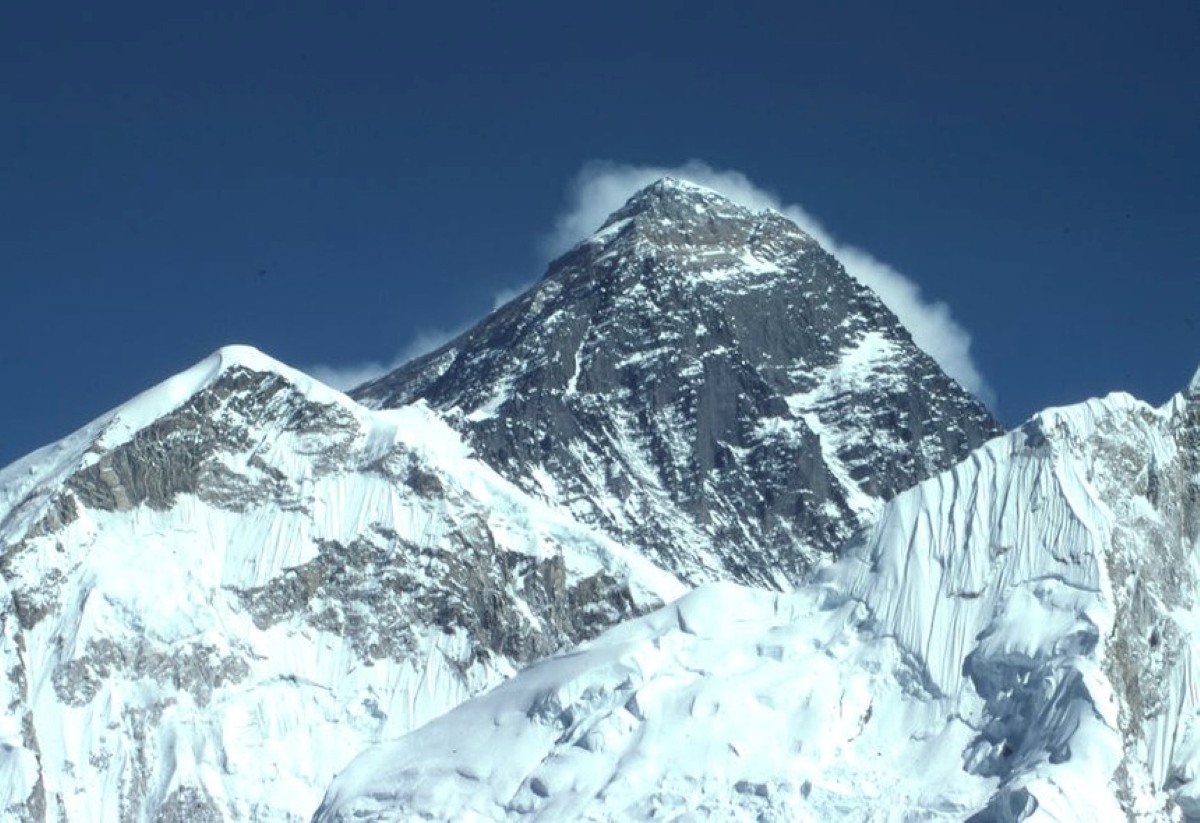
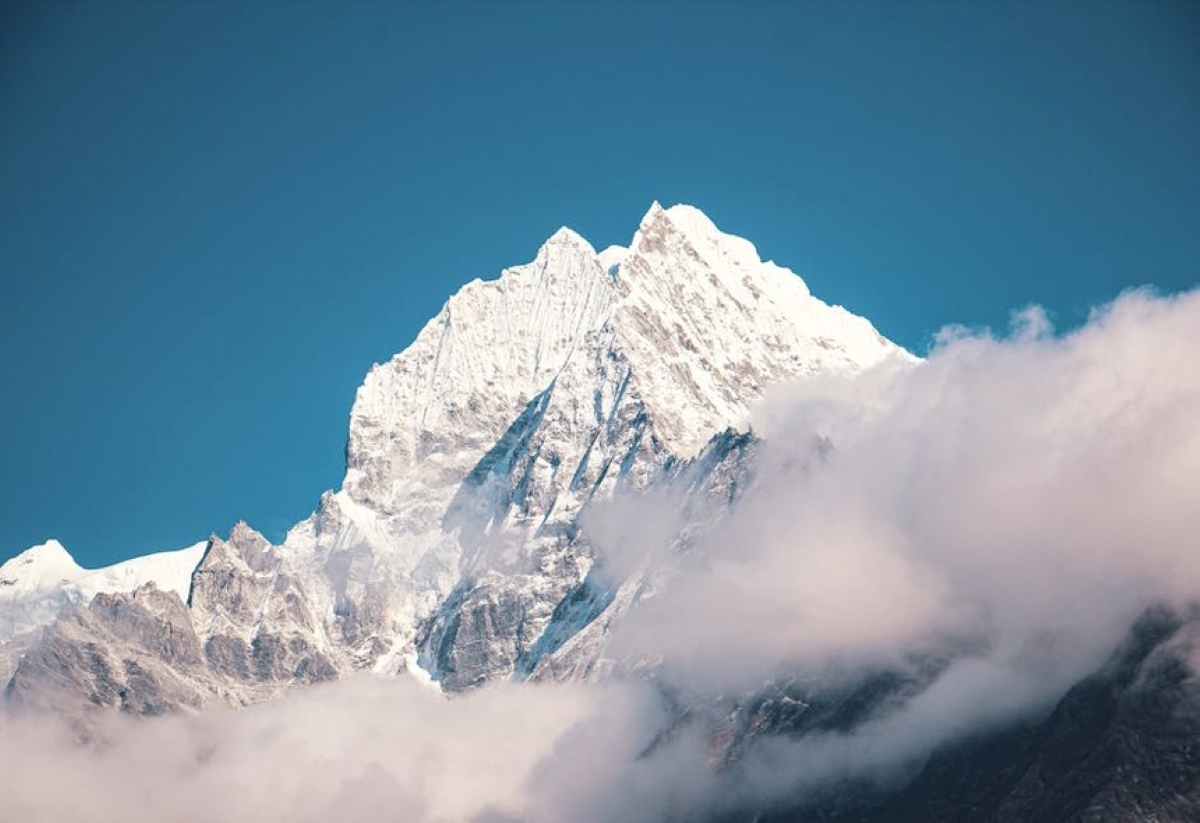
- The Everest High Pass Trek, often referred to as the "Three Passes Trek," is the ultimate Himalayan challenge, a grand architectural masterpiece of a trail that encircles the entire Everest region. While the standard trek to Everest Base Camp follows a linear path, the High Pass circuit is a massive, high-altitude loop that conquers the three most formidable mountain passes in the Khumbu: Kongma La (5,535m), Cho La (5,420m), and Renjo La (5,360m). This is not just a trek; it is an expedition of the spirit, designed for those who find the crowded main trails too restrictive and crave the raw, unfiltered silence of the world’s highest peaks. Over the course of nearly three weeks, you are not just a visitor in the Himalayas; you become a part of their rhythm, navigating through jagged glaciers, turquoise lakes, and ancient Sherpa villages that seem to hang precariously on the edges of the earth.
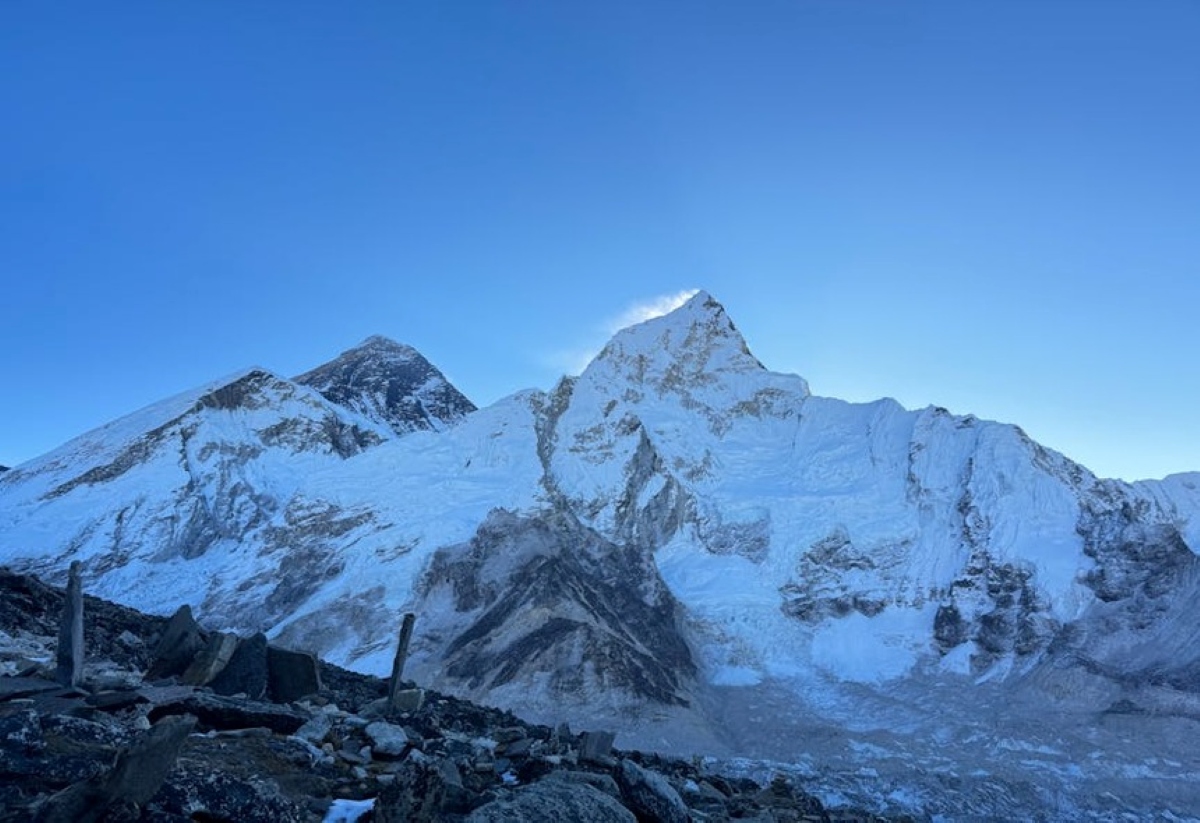
- The journey begins with the adrenaline-pumping flight to Lukla, where you land on a runway carved into a mountain shelf. From here, the trail winds through the lush lower valleys of the Dudh Koshi river, where the air is thick with the scent of pine and rhododendron. Namche Bazaar, the bustling Sherpa capital, serves as your final anchor to civilization. As you climb higher, leaving the main EBC trail behind, the landscape shifts from green forests to a stark, lunar world of rock and ice. The first major hurdle is the Kongma La Pass. Often considered the most difficult of the three, it sits directly across from the massive Nuptse wall. Crossing this pass requires traversing the Khumbu Glacier—a shifting, living river of ice that groans and cracks under the weight of the mountains. Reaching the summit of Kongma La provides a vantage point that few humans ever see: a 360-degree panorama of the entire Everest massif, including Lhotse and Makalu, standing in terrifyingly beautiful proximity.
- The second phase of the trek takes you into the heart of the Gokyo Valley via the Cho La Pass. This section involves a technical crossing of a steep glacier, where the use of micro-spikes and a focused mind are essential. The descent into the Gokyo Valley feels like entering a sanctuary. The six sacred lakes of Gokyo, shimmering in various shades of emerald and sapphire, provide a stunning contrast to the monochromatic world of the high passes. Hiking to the top of Gokyo Ri at dawn allows you to see four of the world’s six highest peaks in a single frame. The final pass, Renjo La, offers perhaps the most iconic view in all of Nepal—a direct, unobstructed sightline of Mt. Everest and the Ngozumpa Glacier, with the Gokyo lakes nestled in the foreground. This is where the sheer scale of the Himalayas humbles the soul, leaving you in a state of quiet awe.
- The cultural immersion on this trek is as deep as the valleys you traverse. You stay in remote teahouses where Sherpa families have lived for generations, surviving on the edge of the habitable world. You witness the spiritual power of the Tengboche Monastery, hear the deep hum of monks chanting, and see the resilience of the yak trains that carry the lifeblood of the mountains. The Everest High Pass Trek is a test of everything—your physical endurance, your mental toughness, and your respect for the environment. It is a grueling, magnificent circuit that demands everything from you and, in return, gives you a perspective on life that can only be found at the top of the world. By the time you return to Lukla, you are not the same person who started the trek; you carry the silence of the high passes and the strength of the mountains within you forever.
Duration: 20 Days, 19 Nights
Month: March to May and September to November
Region: Solu-Khumbu
Trek Difficulty: Moderate
Trek fee: 110000
Max Altitude: 5550m
Trek distance: 160km
Best Period:
March to May and September to November
Stay:
Guesthouses and Tea Houses
Railway Head:
Jiri or Lukla
Food:
Local Cuisine
WHO CAN JOIN
Age Requirement :
- Minimum Age: 18 years
- Experience: Prior high-altitude experience (above 5,000m) is mandatory.
- Fitness: You must be in peak physical condition, capable of 8-10 hours of intense walking.
Fitness Criteria
- Ability to run 15 km in 90 minutes.
- Ability to cycle 40 km on mountain roads.
- Ability to carry 12 kg for sustained periods.
- Strictly 18.5 – 27 for high-altitude safety.
How to Reach
Options to Reach
To begin your Everest High Pass Trek, you'll need to reach the designated starting point through the following routes:
By Air: The nearest airport is typically connected to major cities through regular flights. Domestic flights operate daily during trekking season (March-May and September-November), with morning departures offering the best weather conditions. It's highly recommended to book flights at least 2-3 weeks in advance during peak season.
By Road: Road access is available from major cities, though the journey can take several hours depending on road conditions and distance. Private vehicles, shared jeeps, and tourist buses are common transportation options. The drive itself is scenic, offering glimpses of rural life and mountain landscapes.
From Base Point: Once you arrive at the trekking starting point, your licensed guide and support staff will meet you. After a brief orientation and equipment check, the trek officially begins. The well-maintained trail is clearly marked, though hiring a local guide is highly recommended for safety, cultural insights, and navigation support.
Journey Itinerary
Arrival in Kathmandu
Preparation and Permit Day
Fly to Lukla and Trek to Phakding
Trek to Namche Bazaar
Acclimatization Day in Namche Bazaar
Trek to Thame
Trek to Lungden
Renjo La Pass to Gokyo
Rest Day and Gokyo
Trek to Thagnag
Cho La Pass to Dzongla
Trek to Lobuche
Trek to Gorak Shep & Everest Base Camp
Sunrise at Kala Patthar & Trek to Lobuche
Kongma La Pass to Chhukung
Chhukung Ri to Dingboche
Trek to Pangboche
Trek to Namche Bazaar
Trek to Lukla
Fly back to Kathmandu
Inclusions & Exclusions
Included
- All inter transfer & sightseeing as per itinerary by Suitable AC Vehicle
- All parking and permit charges
- All Transport & Toll Taxes
- Assistance on arrival
- Bonfire
- Hotel Accommodation
- Meals As Per Itinerary
- Music Party
- Sight seeing
- Professional guide services
- All necessary trekking permits and entry fees
Excluded
- Cost of additional activities other than what is included, Porterages, tips etc. Cost of amendment/addition in the itinerary
- Entry Fee to Any Monument, Park, Museum, Monastery or any other visiting places
- Heaters in Hotels
- Payment for service provided on personal basis
- Personal expenses on items such as Laundry, Soft & Hard Drinks, Bottle Water, Incidentals, ect
- Travel insurance and emergency evacuation costs
- International or domestic flight tickets
Kids Guidelines
- • The Everest High Pass Trek can be undertaken by older children and teenagers, but requires careful consideration and preparation:
- • Age Suitability: Based on the trek's difficulty level of Moderate and maximum altitude of 5550m, children should be physically active, have prior trekking experience, and demonstrate ability to walk 5-6 hours daily on uneven terrain.
- • Parental Supervision: Children under 16 years must be accompanied by at least one parent or legal guardian throughout the trek. The accompanying adult should be experienced in trekking and capable of recognizing and responding to altitude-related issues in children.
- • Physical Preparation: At least 2-3 months before the trek, children should engage in regular physical activities including hiking, cycling, and endurance training. Practice walks with a loaded backpack help build stamina and confidence.
- • Altitude Considerations: Children can be more susceptible to altitude sickness than adults. Extra acclimatization days should be built into the itinerary, and parents must be vigilant for symptoms including headache, nausea, fatigue, or difficulty sleeping. Immediate descent is necessary if symptoms develop.
- • Safety and Support Services:Dedicated kids' guides available on request (additional cost)
- • Porters to carry children's equipment and supplies
- • Smaller group sizes recommended for better supervision
- • First aid trained staff and emergency communication devices
- • Mandatory evacuation insurance for all trekkers including minors
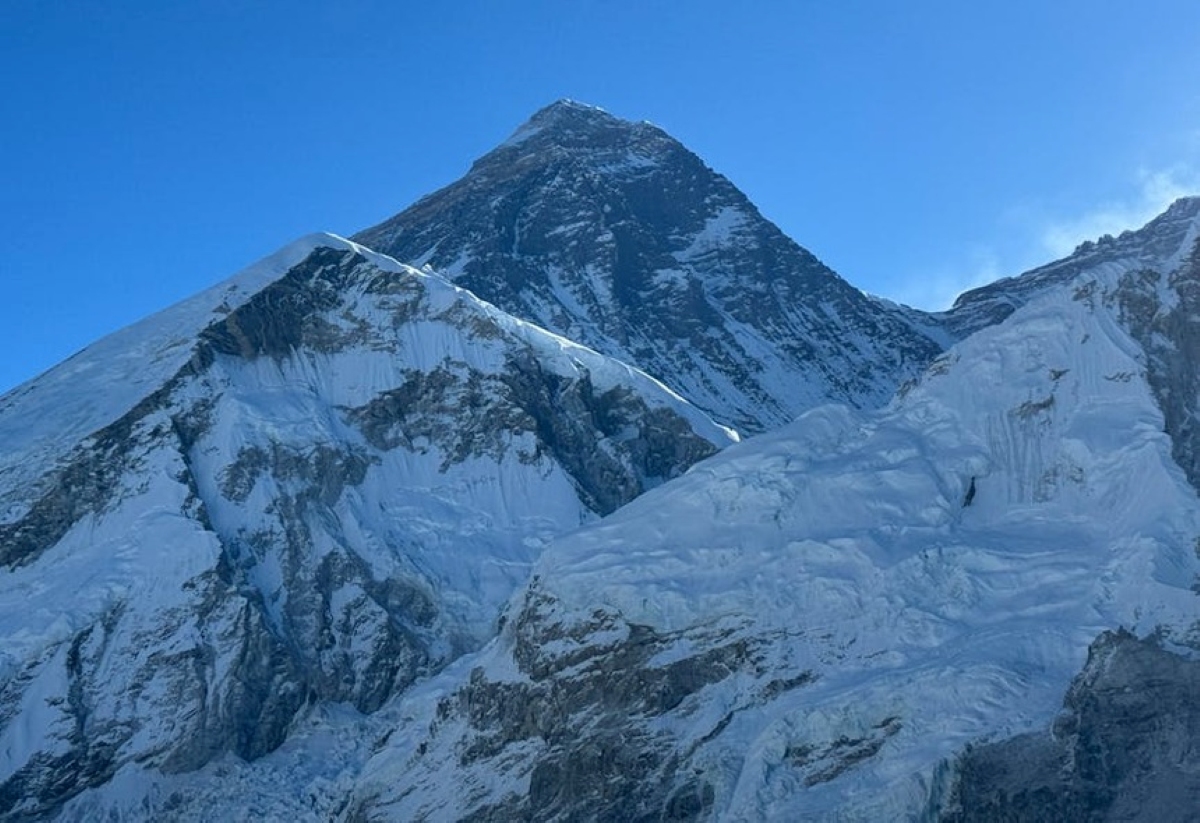
Captured Moments

Explore More Adventures

The Langtang Valley Trek, often called the "Valley of Glaciers," is a resilient and heart-stirrin...

The Gosaikunda Trek is a breathtaking alpine journey that leads to a cluster of sacred high-altit...

The Helambu Trek is the perfect "short and sweet" Himalayan adventure located surprisingly close ...
Happens, We're There
On-ground teams and real humans supporting you, before, during, and after your tour. Help when it truly matters.
Rating & Reviews
Share Your Experience
Begin Your Adventure Journey With Us
Trek through scenic trails, conquer new heights and experience the thrill of nature with unforgettable adventures in the great outdoors.
