Ganjala Pass Trek
Rs. 24000 per personBeyond Adventure
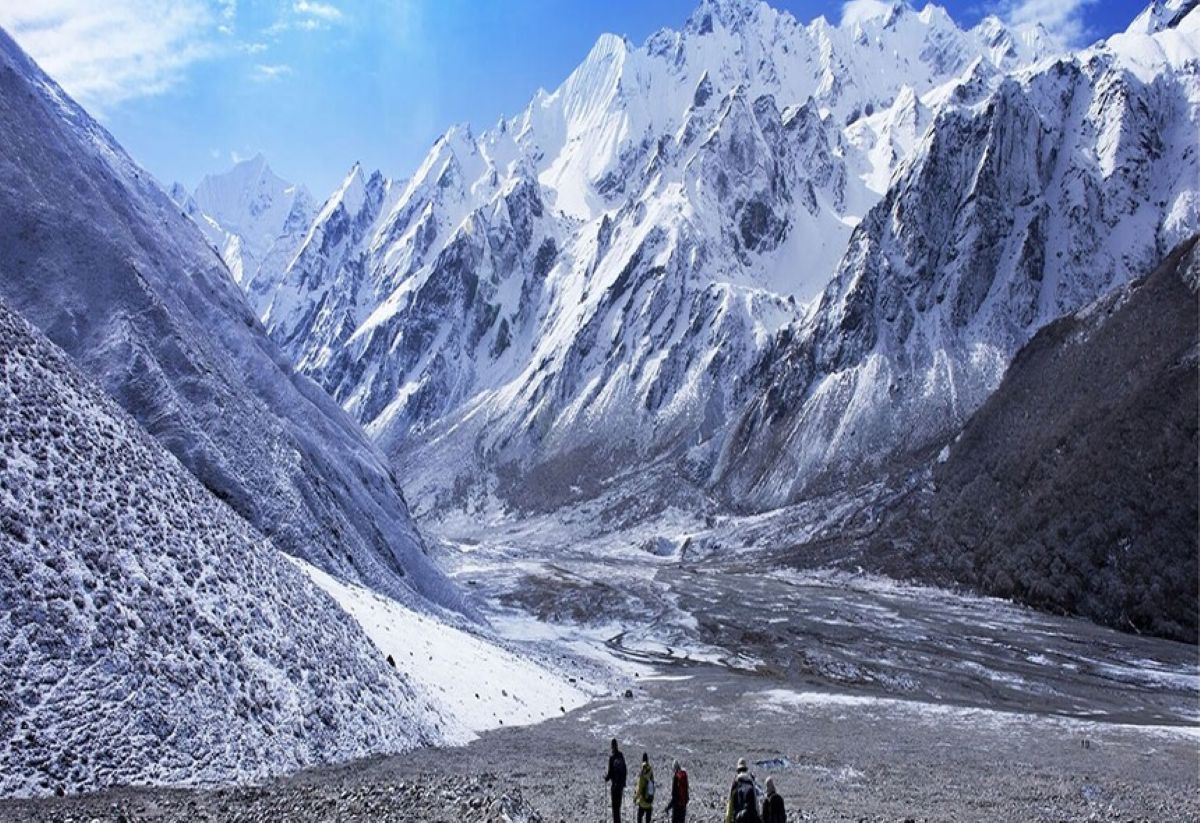
- The Ganja La Pass Trek, often phonetically simplified as the Gunjala Trek, is widely recognized as one of the most formidable and prestigious trekking circuits in the central Himalayas of Nepal. While the standard Langtang Valley trek is famous for its accessibility and gentle gradients, the Ganja La crossing elevates the experience into a semi-technical mountaineering expedition. This trek creates a high-altitude bridge between the Tibetan-influenced Langtang Valley and the lush, Sherpa-inhabited Helambu region. It is a journey specifically designed for the elite trekker—someone who has already conquered Base Camps and now seeks the thrill of navigating a pass that is permanently shrouded in snow and guarded by treacherous rock falls and steep ice slopes. The Ganja La is not merely a path; it is a gateway into the "Wild North" of Kathmandu.
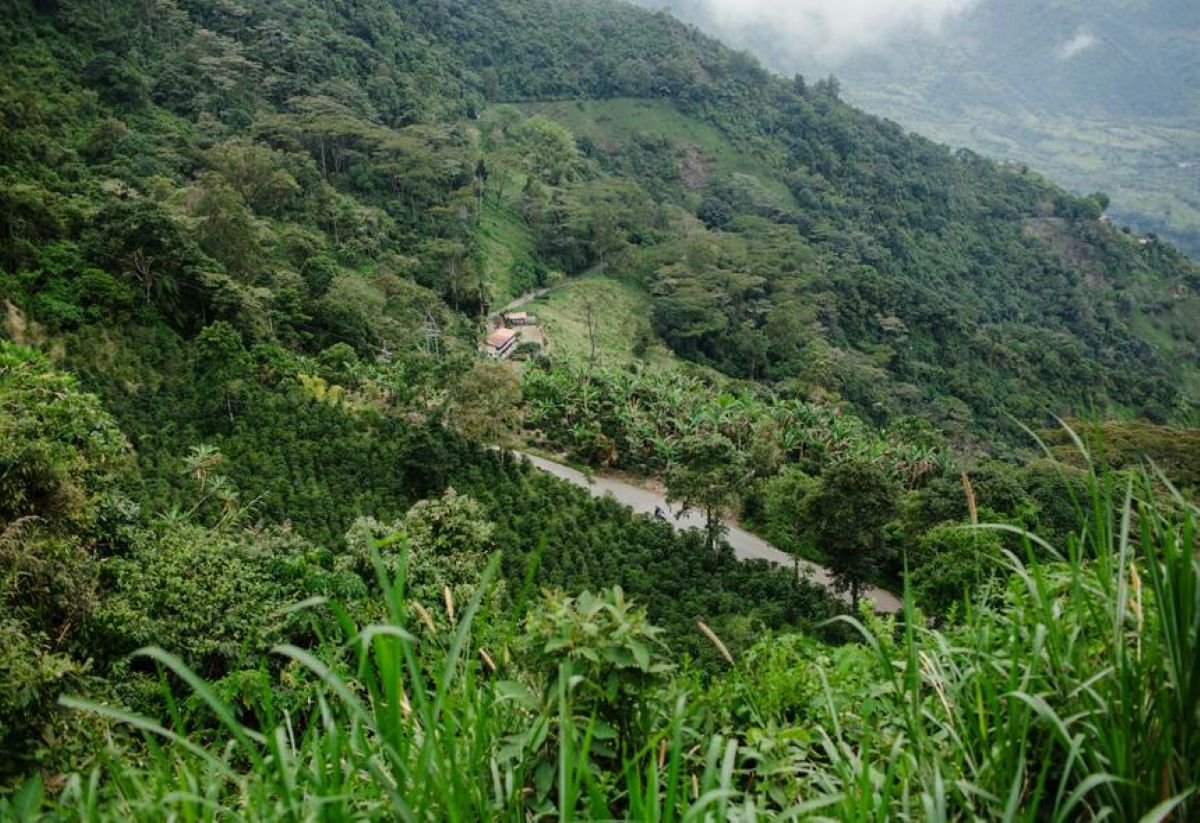
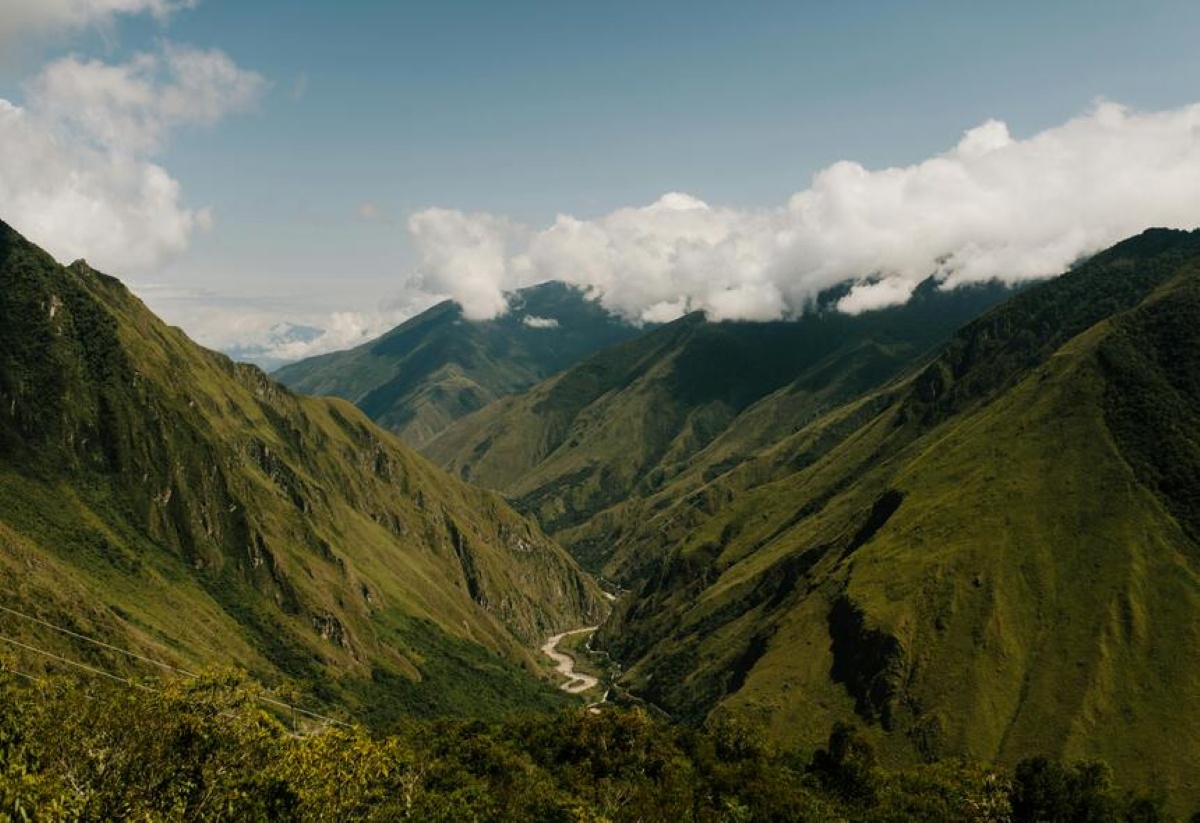
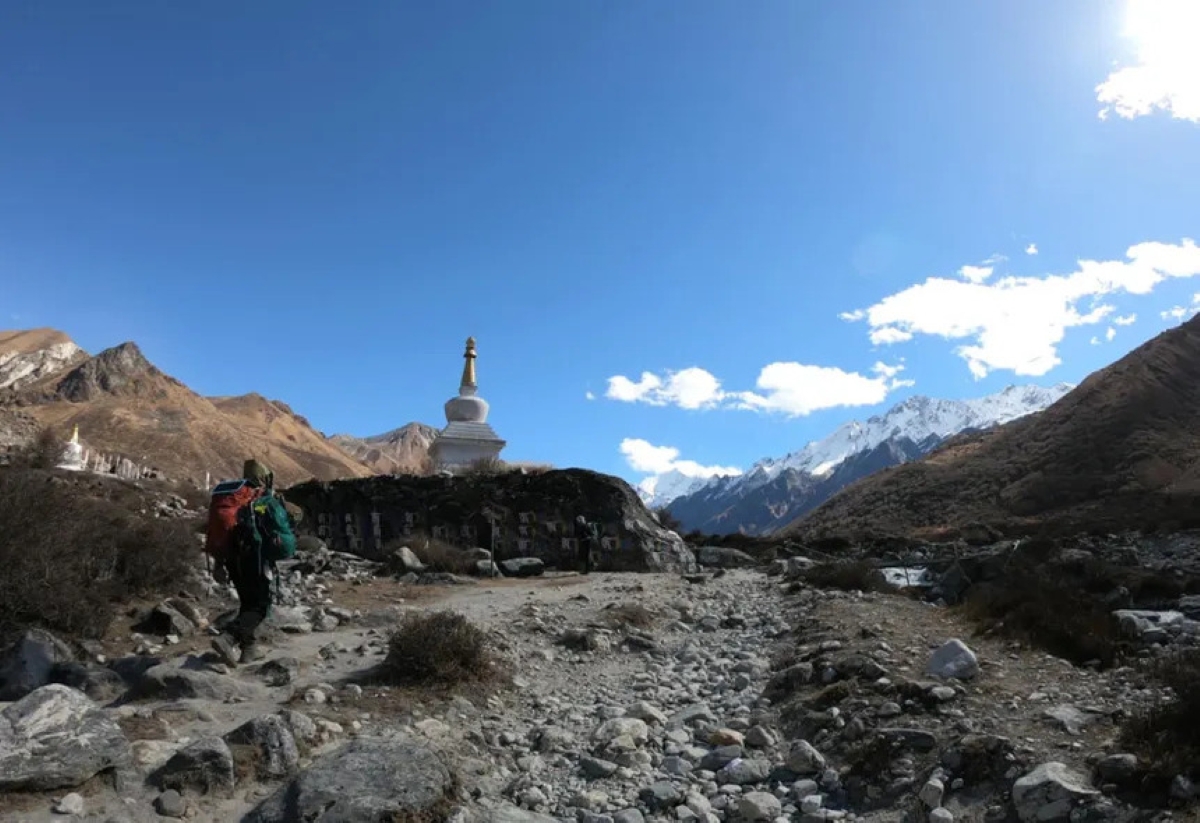
- The adventure begins with an overland journey from Kathmandu to Syabrubesi, a bustling marketplace at the edge of the Bhote Koshi River. From here, the trail follows the roaring Langtang Khola, ascending through dense sub-tropical forests of oak, bamboo, and maple. This section is a paradise for nature lovers, often offering glimpses of the rare Red Panda and the Himalayan Black Bear. As you move deeper into the valley, the scenery undergoes a dramatic transformation. The trees disappear, replaced by the stark, U-shaped glacial valley of Langtang. You pass through the poignant ruins of the old Langtang Village, destroyed during the 2015 earthquake, and witness the incredible resilience of the Tamang people as they rebuild their lives. Reaching Kyanjin Gompa (3,870m) marks your final contact with civilization. Here, you spend several days acclimatizing, perhaps climbing Tserko Ri (5,033m) to see the massive white wall of Langtang Lirung and the peaks of Tibet shimmering on the northern horizon.
- The true test of the Ganja La begins as you leave the comfort of the teahouses and venture into the high-altitude wilderness of Ngegang. This is where the trek shifts into camping mode. The ascent to the Ganja La Pass (5,122m) is a grueling, lung-busting climb over loose scree and jagged boulders. The final 100 meters to the summit are notoriously precarious, often requiring the use of fixed ropes and crampons to navigate the steep, icy incline. Standing at the crest of the pass is an emotional and physical triumph. To your back lies the Langtang range, and before you lies the unexplored wilderness of the south. The view is a 360-degree tapestry of jagged ice-fluted peaks, including Naya Kanga and Dorje Lakpa. The silence at the pass is absolute, broken only by the thin whistling of the high-altitude wind.
- The descent is equally challenging, dropping over 1,000 meters down a steep, snow-covered slope into the Keldang Valley. As you move further south, the ice gives way to high alpine pastures used by nomadic yak herders. The trek eventually winds into the Helambu region, famous for its "Hyolmo" culture and ancient monasteries. Villages like Tarke Gyang and Sermathang offer a green, lush sanctuary after the monochromatic world of the high pass. The architecture here changes, and you are welcomed into Sherpa homes with warm tea and salt-butter soup. The Ganja La Pass Trek is a masterclass in Himalayan contrasts—from the vertical ice of the pass to the rhododendron forests of Helambu. It is a trek that demands respect, preparation, and grit. By the time you return to the heat of Kathmandu, you carry with you the pride of having crossed one of the most difficult "Great Himalayan" passes, a feat that very few trekkers can claim.
Duration: 12 Days, 11 Nights
Month: September to November, March to May
Region: Langtang
Trek Difficulty: Strenuous
Trek fee: 24000
Max Altitude: 5050 meters
Trek distance: 110KM
Best Period:
Post-monsoon, Pre-monsoon period
Stay:
Teahouse, Camping
Railway Head:
Syabrubesi
Food:
Local cuisine, Vegetarian and Non-vegetarian options
WHO CAN JOIN
Age Requirement :
- Minimum Age: 18 years
- Experience: Prior high-altitude trekking experience (above 4,500m) is mandatory. This is not a trek for beginners.
- Fitness: Good physical condition, ability to walk 5-6 hours daily Heart conditions, High altitude sickness, Severe cold intolerance This trek is suitable for moderately fit individuals who can walk for 5-6 hours daily. The age limit is 15-60 years, with a minimum of 2 people per booking, as a single member will be charged an additional 15% of the total cost. People with a history of asthma, heart conditions, or severe knee issues should avoid this trek due to the extreme altitude and technical descent.
Fitness Criteria
- Ability to run 10 km in 60 minutes or less.
- Ability to carry a 10–12 kg backpack if required, though porters are provided for main luggage.
- Trekkers should ideally be within the 18.5 – 26.0 range for optimal oxygen processing at 5,000m+.
How to Reach
Pick-Up Information
A private 4WD Jeep or a trekking bus will transport the group through the winding mountain roads and scenic ridges of the Trishuli River valley.
Options to Reach
The trek begins from the town of Syabrubesi. Since there are no flight options for the Langtang region, the journey is entirely land-based.
A 7–8 hour drive from Kathmandu to Syabrubesi. This is the most comfortable way to reach the trailhead.
By Bus
Buses depart daily from the Machhapokhari Bus Park in Kathmandu; however, they are often crowded and take longer (9–10 hours).
Journey Itinerary
Drive from Kathmandu to Syabrubesi
Trek to Lama Hotel
Trek to Langtang Village
Trek to Kyanjin Gompa
Acclimatization at Kyanjin Gompa
Trek to Ganja La Phedi
Cross Ganja La Pass to Keldang
Trek to Yak Kharka
Trek to Tarke Gyang
Trek to Sermathang
Trek to Melamchi Pul Bazar
Drive back to Kathmandu
Inclusions & Exclusions
Included
- Permits: Langtang National Park entry and TIMS card.
- Transport: Kathmandu to Syabrubesi and Melamchi Pul to Kathmandu.
- Staff: Licensed English-speaking trekking guide and porters.
- Accommodation: Kathmandu hotels and mountain teahouses/tents.
- Meals: Full board (Breakfast, Lunch, Dinner) during the trek.
- Camping: High-altitude tents and kitchen equipment for the pass.
- Safety: First aid medical kit and oxygen saturation monitoring.
Excluded
- Flights: International airfare to and from Nepal.
- Visa: Nepal entry visa fees.
- Insurance: Travel insurance with high-altitude and heli-evacuation cover.
- Gear: Personal trekking equipment (boots, jackets, sleeping bags).
- Drinks: Bottled water, soda, and alcoholic beverages.
- Tips: Tips for trekking guides, porters, and drivers.
- Extra Services: WiFi, hot showers, and battery charging fees.
Kids Guidelines
- • The Ganjala Pass Trek can be undertaken by older children and teenagers, but requires careful consideration and preparation:
- • Age Suitability: Based on the trek's difficulty level of Moderate and maximum altitude of 5050 meters, children should be physically active, have prior trekking experience, and demonstrate ability to walk 5-6 hours daily on uneven terrain.
- • Parental Supervision: Children under 16 years must be accompanied by at least one parent or legal guardian throughout the trek. The accompanying adult should be experienced in trekking and capable of recognizing and responding to altitude-related issues in children.
- • Physical Preparation: At least 2-3 months before the trek, children should engage in regular physical activities including hiking, cycling, and endurance training. Practice walks with a loaded backpack help build stamina and confidence.
Captured Moments

Explore More Adventures

The Langtang Valley Trek, often called the "Valley of Glaciers," is a resilient and heart-stirrin...

The Gosaikunda Trek is a breathtaking alpine journey that leads to a cluster of sacred high-altit...

The Helambu Trek is the perfect "short and sweet" Himalayan adventure located surprisingly close ...
Happens, We're There
On-ground teams and real humans supporting you, before, during, and after your tour. Help when it truly matters.
Rating & Reviews
Share Your Experience
Begin Your Adventure Journey With Us
Trek through scenic trails, conquer new heights and experience the thrill of nature with unforgettable adventures in the great outdoors.
