Lobuche Peak
Rs. 220000 per personBeyond Adventure
- Lobuche Peak Climbing is an iconic mountaineering expedition in the Everest region of Nepal, offering climbers an unforgettable high-altitude adventure that combines the classic trekking experience of the Khumbu Valley with the technical challenges of a genuine Himalayan peak ascent. Rising to 6,119 meters above sea level, Lobuche East stands as one of the most popular and accessible trekking peaks in Nepal, attracting climbers from around the world who wish to test their skills and endurance at serious altitude while being surrounded by some of the most magnificent mountain scenery on earth.
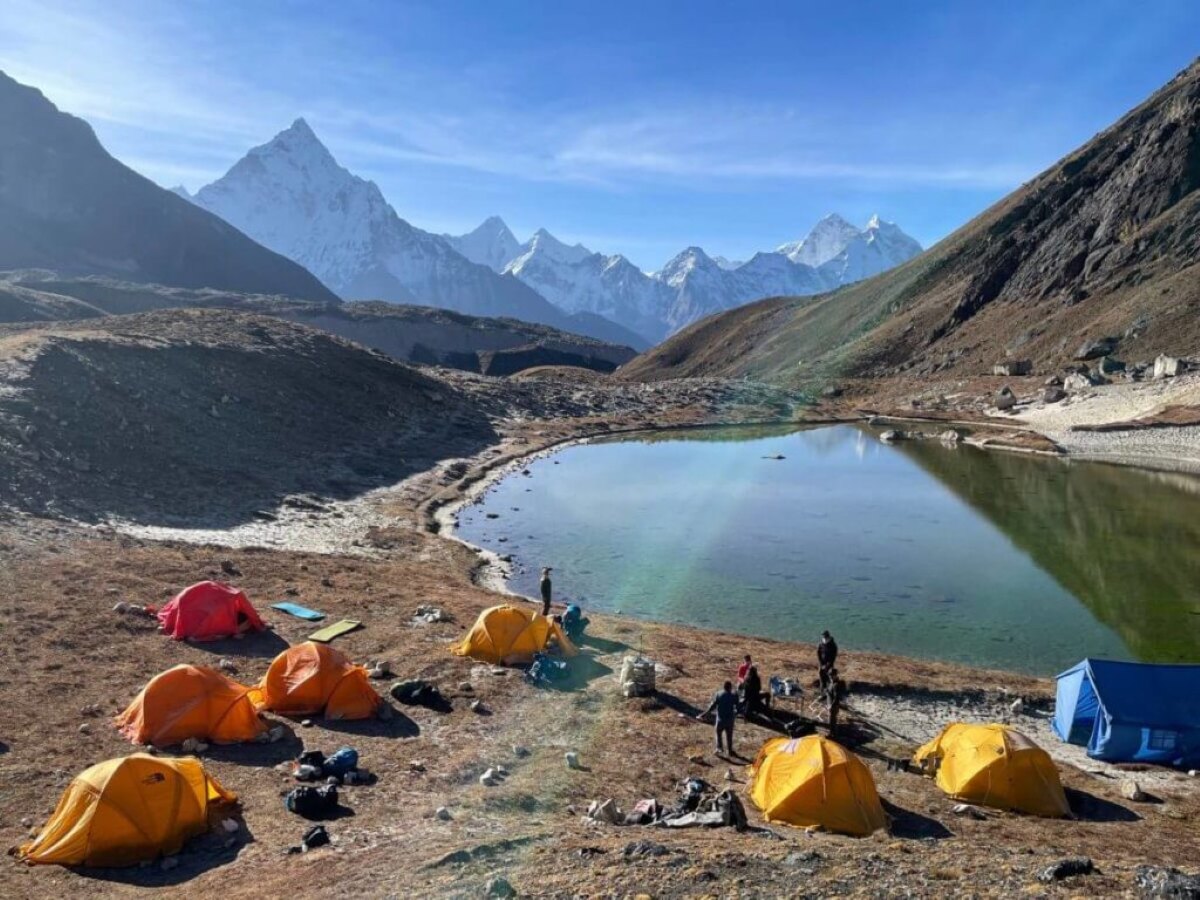
- The approach to Lobuche follows the classic Everest Base Camp trail from Lukla through the legendary Sherpa heartland of Khumbu. The trail passes through Namche Bazaar, the bustling trading hub of the Sherpa people and the gateway to the high Khumbu, through the sacred monastery town of Tengboche, perched on a ridge with a breathtaking backdrop of Ama Dablam, Everest, Lhotse, and Nuptse, and through the increasingly stark and barren landscape of the upper Khumbu to Lobuche village, the last inhabited settlement before base camp. Every step of this approach is steeped in the history of Himalayan mountaineering, with the surrounding peaks carrying associations with the great expeditions of the twentieth century.
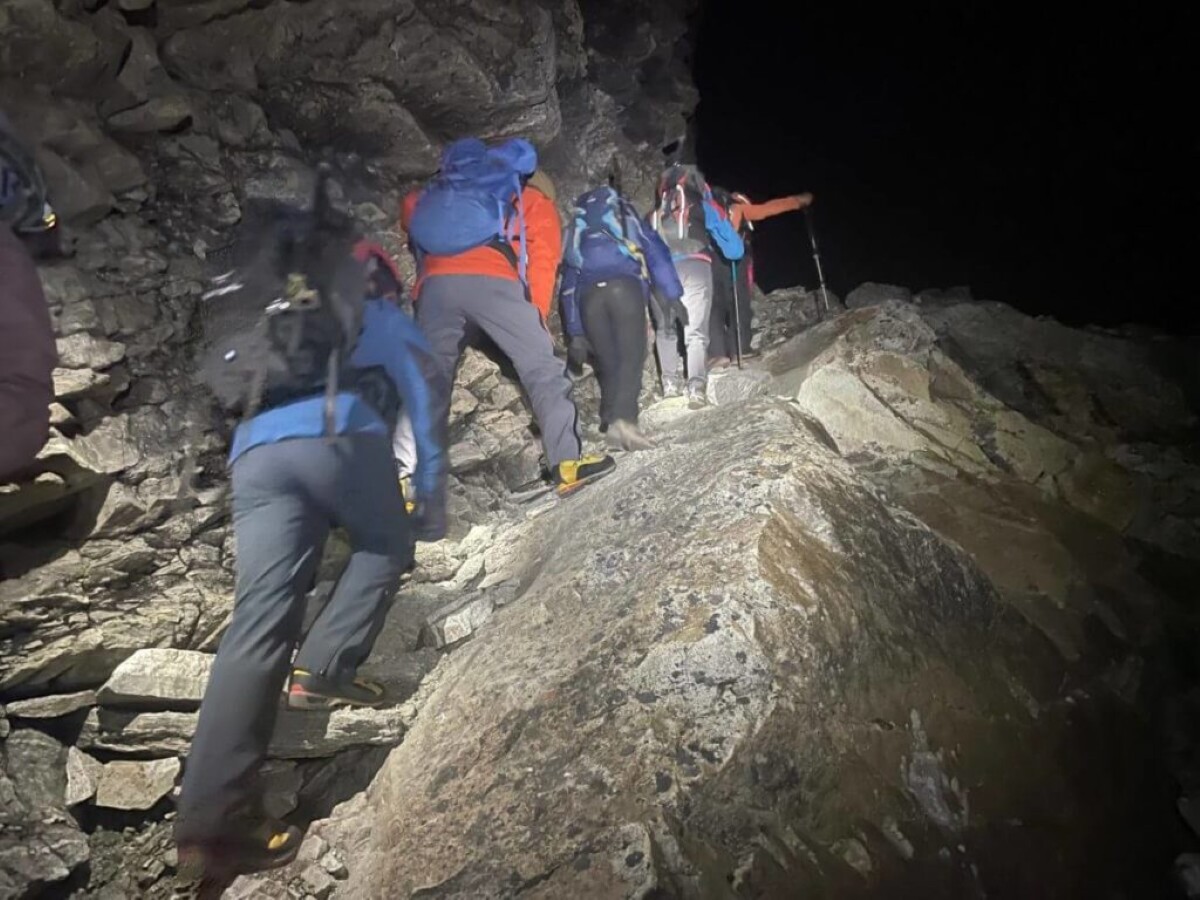
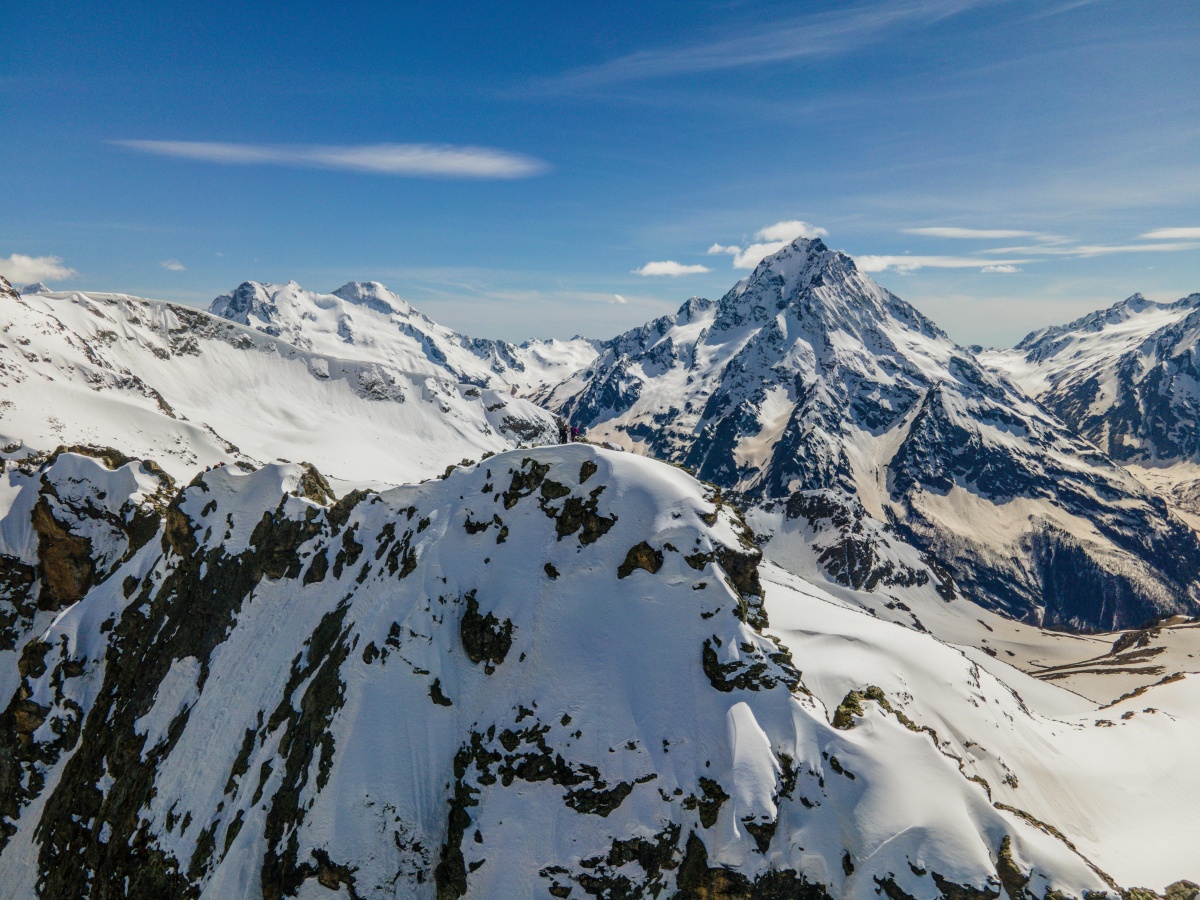
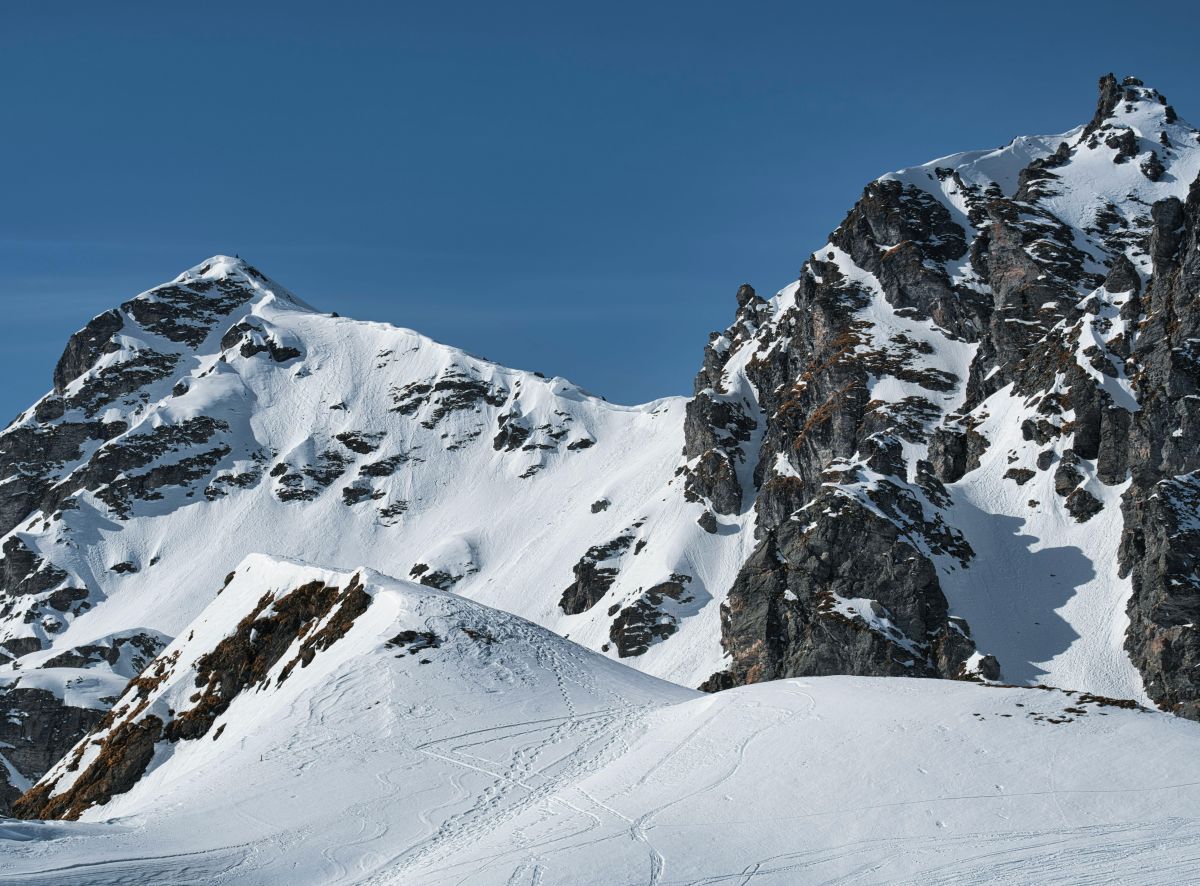
- The climb to the summit of Lobuche East involves a high camp ascent over moderate glacial terrain, steep snow and ice slopes, and a final rocky ridge that demands both physical endurance and technical competence. Crampons, ice axe, and rope are essential equipment, and the guidance of an experienced Sherpa climbing guide is strongly recommended for those without previous high-altitude climbing experience. The summit ridge offers views of extraordinary power and beauty, with Everest, Lhotse, Makalu, and Cho Oyu all visible in their full magnificence from this high vantage point.
- The Khumbu Valley, through which the approach passes, is one of the most culturally and ecologically remarkable areas in the Himalayan world. The Sherpa people, whose mountaineering skills and cultural resilience have made them world-famous, inhabit these high valleys and have developed a rich and distinctive culture that blends Tibetan Buddhist traditions with the specific demands and opportunities of life in one of the world's most extreme environments. The monasteries, mani walls, chortens, and prayer flags that punctuate the landscape are expressions of a living spiritual tradition that continues to guide and sustain these mountain communities.
- The success rate on Lobuche East is relatively high compared to more demanding Himalayan peaks, making it an ideal objective for those making the transition from trekking to climbing. The expedition typically takes around eighteen to twenty days in total, including the approach trek, acclimatization, the summit attempt, and the return journey to Lukla. This duration allows for a gradual and physiologically sound acclimatization profile that maximizes both safety and the chances of reaching the summit. For those who achieve the top, the sense of achievement is profound and the memories last a lifetime.
Duration: 8 days
Month: March to May for spring and September to November for autumn.
Region: Everest region of Nepal.
Trek Difficulty: Challenging
Trek fee: 220000
Max Altitude: 6119 meters
Trek distance: 120 km (75 miles)
Best Period:
Spring (March to May) and autumn (September to November).
Stay:
Guesthouses, lodges, and camps.
Railway Head:
Kathmandu (TIA - Tribhuvan International Airport).
Food:
Traditional Nepalese cuisine with occasional continental dishes.
WHO CAN JOIN
Age Requirement :
- Minimum Age: 18 years and above.
- Experience: Prior high-altitude climbing experience and familiarity with using crampons, ice axes, and fixed ropes.
- Fitness: Excellent physical fitness with a good level of endurance and stamina.
Fitness Criteria
- The individual must be capable of jogging continuously for at least 20–30 minutes at a steady pace without frequent breaks, extreme breathlessness, or discomfort. Heart rate and breathing should return to near normal within a few minutes after stopping.
- The individual should be able to cycle continuously for 30–60 minutes on flat or mildly uneven terrain without severe exhaustion, knee pain, or breathing distress.
- The individual should be able to carry a backpack weighing approximately 20–25% of their body weight for 1–2 hours while walking, without experiencing shoulder strain, back pain, or imbalance.
- Acute Mountain Sickness (AMS), heart problems, and other cardiovascular issues are high-risk factors.
How to Reach
Pick-Up Information
A 35-minute flight from Kathmandu to Lukla airport and then a 6-8 hour trek to Phakding.
The pickup destination will be Phakding
Journey Itinerary
Arrival Day
Journey officially begins
Trek Day
Trek Day
Trek Day
Summit Day
Return Day
Departure Day
Inclusions & Exclusions
Included
- Homestay and camping
- Meals
- Trekking equipment
Excluded
- Transportation
- Insurance
- Medical expenses
- Personal expenses
- Anything else that is not included in inclusion
Kids Guidelines
- • Not suitable for children due to high altitude and physically demanding nature of the trek.
Captured Moments

Explore More Adventures

The Langtang Valley Trek, often called the "Valley of Glaciers," is a resilient and heart-stirrin...

The Gosaikunda Trek is a breathtaking alpine journey that leads to a cluster of sacred high-altit...

The Helambu Trek is the perfect "short and sweet" Himalayan adventure located surprisingly close ...
Happens, We're There
On-ground teams and real humans supporting you, before, during, and after your tour. Help when it truly matters.
Rating & Reviews
Share Your Experience
Begin Your Adventure Journey With Us
Trek through scenic trails, conquer new heights and experience the thrill of nature with unforgettable adventures in the great outdoors.
