Nar Phu Valley Trek
Rs. 105000 per personBeyond Adventure
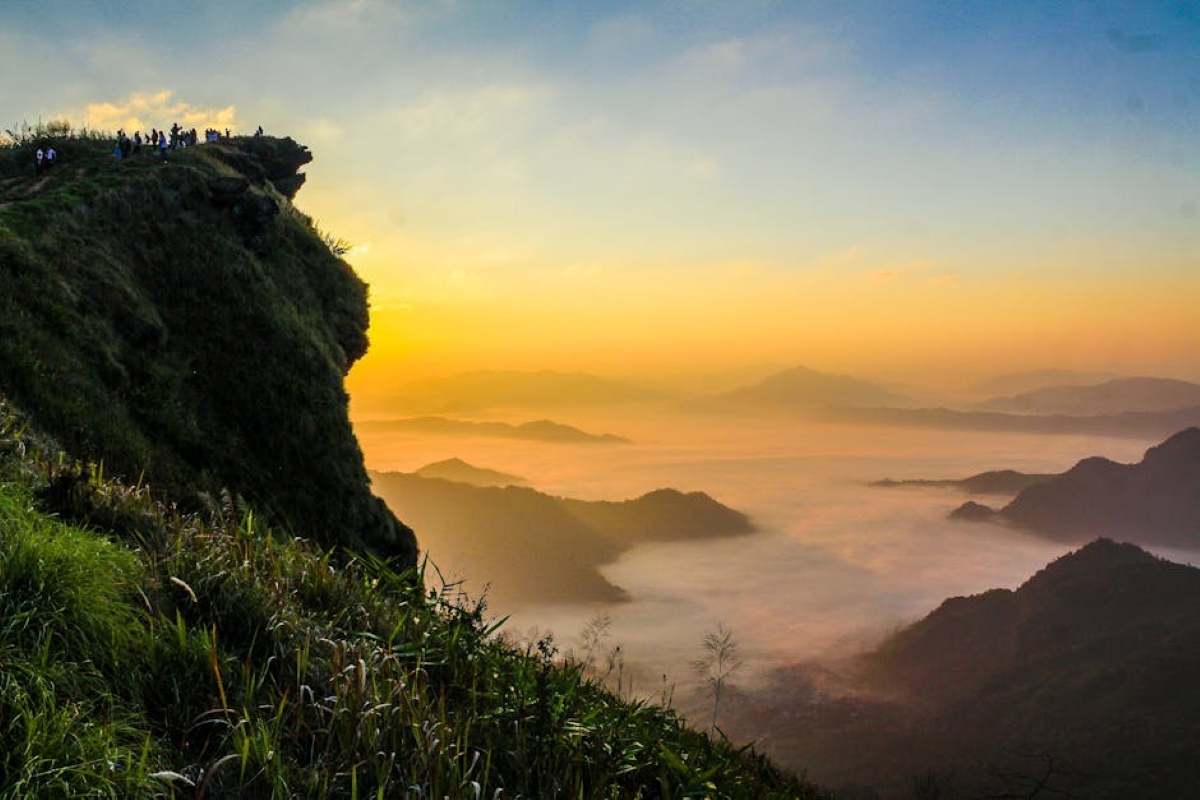
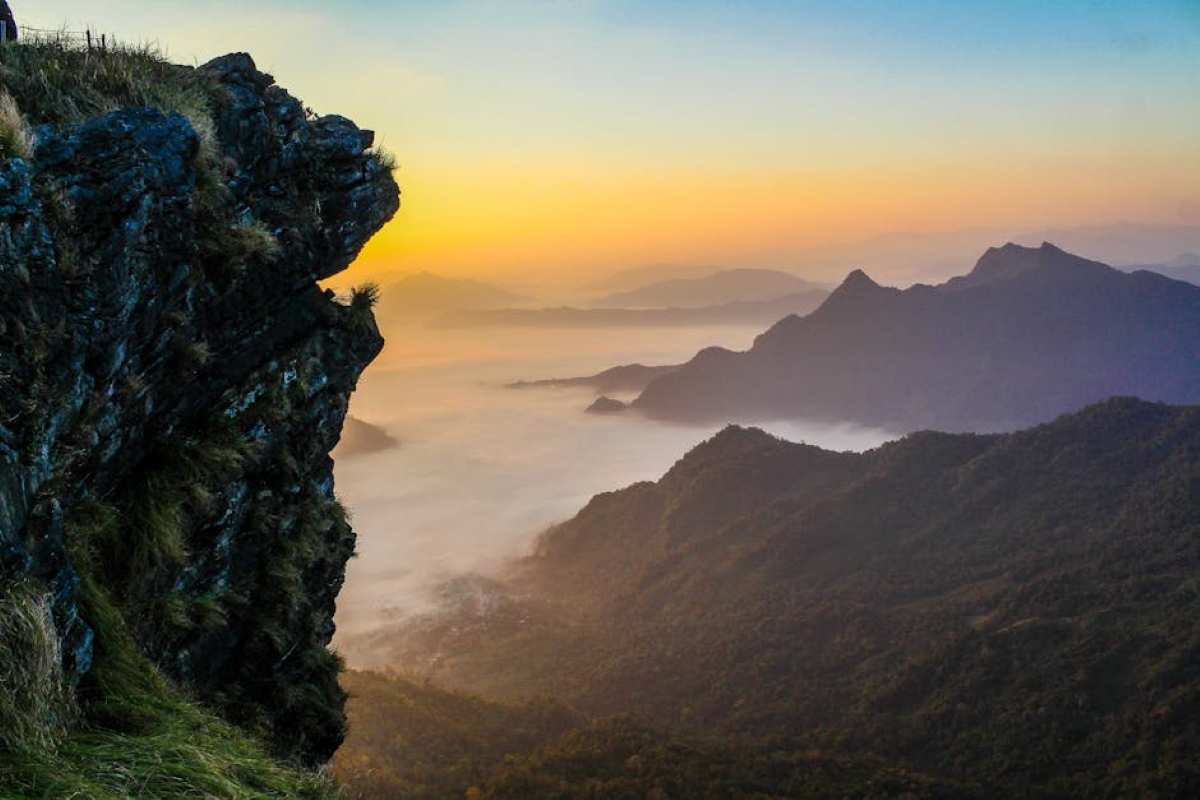
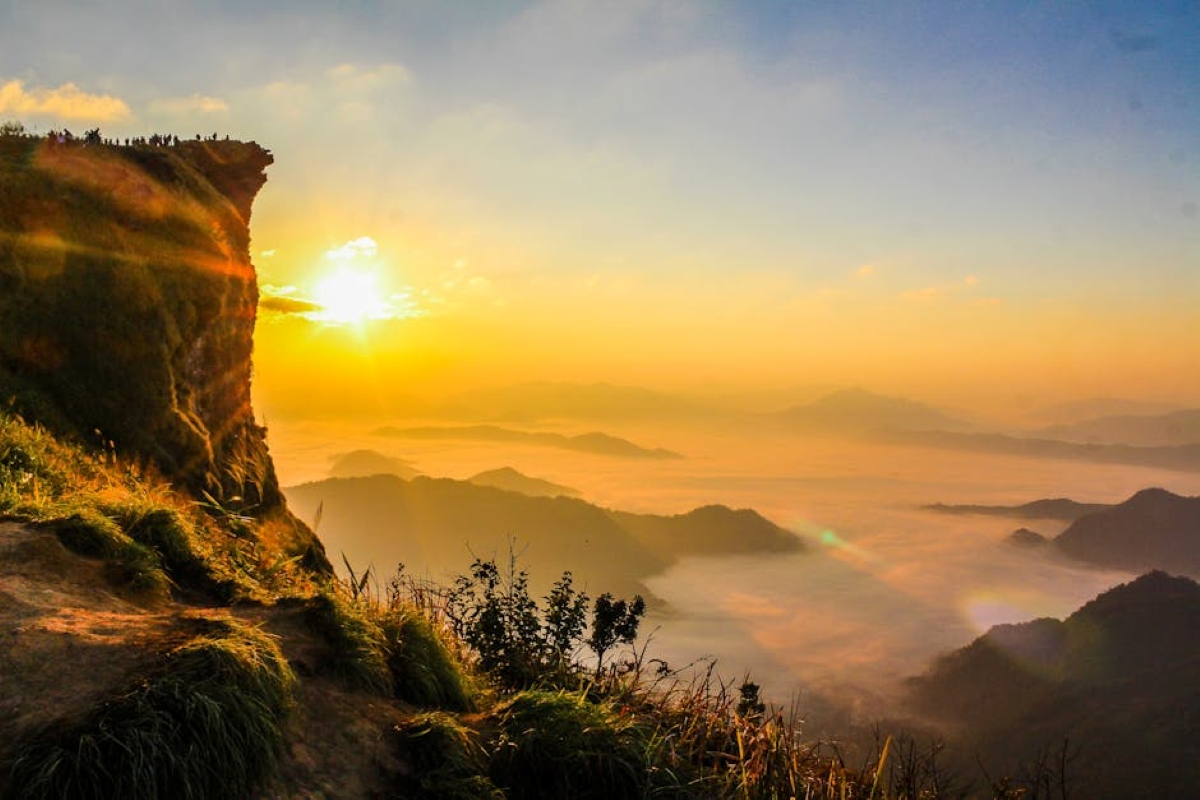
- The Nar Phu Valley Trek is an extraordinary journey into one of the most secluded and culturally preserved corners of the Himalayas, hidden within the rugged folds of the Annapurna and Manaslu ranges. For decades, this region remained a forbidden territory, closed to the outside world until the early 2000s, which allowed its ancient traditions and medieval architecture to survive almost entirely untouched by modern influence. The trek begins as a dramatic departure from the popular Annapurna Circuit at the village of Koto, where the trail suddenly plunges into a wilderness of deep river gorges, narrow canyons, and dense forests of pine and rhododendron. As you follow the rushing waters of the Nar Khola, the lush greenery of the lower valleys gradually gives way to a stark, trans-Himalayan desert landscape that bears a striking resemblance to the Tibetan plateau. This transition is not just geographical but also spiritual, as the air begins to carry the low hum of ancient chants and the scent of juniper incense from the remote monasteries scattered throughout the valley.
- The heart of the experience lies in the two principal villages of Nar and Phu, which stand as living museums of Himalayan history. Phu, often called the "fortified village," is a marvel of stone and mud-brick architecture, with houses stacked closely together on a rocky hillside to withstand the harsh alpine winds and heavy snows. The inhabitants of Phu are descendants of Tibetan Khampa warriors and herders who migrated south centuries ago, bringing with them a unique dialect and a way of life that revolves around the seasonal rhythms of yak herding and high-altitude farming. Above the village sits the Tashi Lhakhang Monastery, a sacred site believed to have been blessed by Guru Rinpoche himself. The monastery is a center of spiritual power, where the resident lamas perform rituals that have remained unchanged for generations, and the interior is filled with 1,000-year-old frescoes, sacred manuscripts, and golden statues that glow in the soft light of butter lamps.
- Leaving Phu, the trail descends toward Nar Phedi, where a small community of nuns runs a peaceful monastery that offers a rare opportunity for trekkers to stay within the monastic grounds and witness the daily life of Buddhist practitioners. The climb from Nar Phedi to Nar Village reveals a wider, more open valley that is significantly warmer and sunnier than Phu. Nar is famous for its extensive agricultural fields where the entire community gathers to plant barley and mustard during the short summer months. The village architecture is characterized by flat roofs used for drying grain and narrow, winding alleyways that create a maze-like atmosphere. The hospitality of the people of Nar is legendary, and despite the extreme isolation and the lack of modern luxuries, there is a profound sense of contentment and community that pervades the air.
- The physical climax of the trek is the crossing of the formidable Kang La Pass, which stands at an elevation of 5,320 meters. This section of the journey is a test of both endurance and mental grit, requiring an early morning ascent through steep, rocky terrain and icy slopes. As you reach the prayer-flag-strewn summit of the pass, the world opens up in a staggering 360-degree panorama. To the south, the massive peaks of Annapurna II, Gangapurna, and Tilicho Peak dominate the horizon, while to the north, the arid peaks of Tibet stretch into the distance. The descent from the pass is equally dramatic, leading down long, scree-covered slopes into the lush meadows of the Manang valley, where you rejoin the more familiar trails of the Annapurna region.
- Throughout the journey, the biodiversity of the Nar Phu region provides constant surprises for those who keep a quiet and observant pace. Because the valley is a restricted area with low human density, it has become a vital sanctuary for endangered wildlife. It is common to see large herds of Himalayan Blue Sheep grazing on the high cliffs, and the region is known as one of the best habitats in Nepal for the elusive Snow Leopard. The flora is equally diverse, ranging from the fragrant juniper and birch forests of the middle altitudes to the rare medicinal herbs and wildflowers that bloom in the high-altitude deserts. This trek is more than just a physical challenge; it is a deep immersion into a world where nature and ancient culture exist in a delicate, beautiful balance, offering a perspective on life that is rare to find in the modern world. Every step taken on the Nar Phu trail is a step back in time, providing a profound sense of solitude and a connection to the raw, unfiltered spirit of the Himalayas.
Duration: 12 Days, 11 Nights
Month: September to November, March to May
Region: Nepal
Trek Difficulty: Hard
Trek fee: 105000
Max Altitude: 5,320 meters
Trek distance: 120 km
Best Period:
September to November, March to May
Stay:
Teahouse lodges and camping
Railway Head:
Besisahar
Food:
Local Nepali cuisine
WHO CAN JOIN
Age Requirement :
- Minimum Age: 13 years
- Experience: Prior high-altitude experience (above 3,700m) is mandatory. This trek is not recommended for first-timers as it involves crossing the 5,320m Kang La Pass.
- Fitness: Trekkers must be in excellent physical condition with high mental resilience to handle 7–10 hours of daily walking in remote, isolated terrains.
Fitness Criteria
- Ability to jog 5 km in 25–30 minutes or walk 10 km continuously on plain terrain as a stamina benchmark.
- Must be able to carry a 5 kg daypack for essentials. If not using a porter, you should be capable of handling 10–12 kg.
- A healthy BMI range of 18–28 is recommended. Due to the high risk of AMS (Altitude Sickness) at Kang La Pass, physical fitness is a non-negotiable factor.
How to Reach
Pick-Up Information
You will be transferred in a private or shared 4WD Jeep for the long journey toward the Manang district.
Options to Reach
The trailhead at Koto is reached via a scenic but rugged overland drive from Kathmandu.
Road Option: A 9–10 hour drive from Kathmandu to Koto (or Dharapani) via Besisahar. The road involves off-roading through the Marsyangdi River valley. Note: There are no direct flights or trains. The only air option is flying to Jomsom at the end of the
Journey Itinerary
Drive from Kathmandu to Besisahar
Drive to Koto
Trek to Meta
Trek to Phu Village
Exploration Day in Phu
Trek to Nar Phedi
Trek to Nar Village
Acclimatization in Nar
Cross Kang La Pass and Trek to Ngawal
Trek to Manang
Drive to Besisahar
Drive back to Kathmandu
Inclusions & Exclusions
Included
- Permits and Paperwork: All necessary permits including the Nar Phu Restricted Area Permit (RAP), Annapurna Conservation Area Project (ACAP) permit, and official government documentation.
- Staff Services: A highly experienced, government-licensed English-speaking guide and professional porters (1 porter for every 2 trekkers) to carry up to 20 kg of luggage.
- Accommodation: Standard hotel stay in Kathmandu (2 nights on a twin-sharing basis) and the best available mountain teahouses or monastery lodges during the trek.
- Full Board Meals: Three nutritious meals a day (Breakfast, Lunch, and Dinner) during the trekking period, featuring a mix of local and continental cuisine.
- Ground Transportation: All road transfers including Kathmandu to the trailhead at Koto and the return journey from Dharapani or Chame via private Jeep or local bus.
- Staff Welfare: Full insurance coverage, salary, food, accommodation, and equipment for all accompanying Nepali staff (guide and porters).
- Safety & Medical: Comprehensive medical first aid kit, pulse oximeter for daily altitude monitoring, and assistance in coordinating emergency helicopter evacuations if required.
- Logistics: Duffel bags for your gear (to be returned after the trek) and a farewell dinner in Kathmandu.
Excluded
- Nepal Entry Visa: Fees for the Nepal tourist visa (approx. $30 for 15 days or $50 for 30 days) to be paid upon arrival at the airport.International Airfare: Flights to and from Kathmandu from your home country.
- Travel Insurance: Mandatory high-altitude insurance that must specifically cover medical expenses and emergency helicopter evacuation up to 6,000m.
- Personal Expenses: Costs for Wi-Fi, battery charging, hot showers, laundry, and international telephone calls during the trek.
- Beverages: All types of bottled water, soft drinks (coke/fanta), alcoholic beverages, and specialty coffees or teas.
- Meals in Cities: Lunch and dinner while staying in Kathmandu (unless specified in the itinerary).
Kids Guidelines
- • Recommended only for teenagers (13+) who have previous trekking experience. Parents must ensure children are strictly monitored for signs of altitude sickness as sleeping altitudes exceed 4,000m for several nights. High-quality UV-rated sunglasses and layered clothing are essential to protect against the thin air and freezing night temperatures.
Captured Moments

Explore More Adventures

The Langtang Valley Trek, often called the "Valley of Glaciers," is a resilient and heart-stirrin...

The Gosaikunda Trek is a breathtaking alpine journey that leads to a cluster of sacred high-altit...

The Helambu Trek is the perfect "short and sweet" Himalayan adventure located surprisingly close ...
Happens, We're There
On-ground teams and real humans supporting you, before, during, and after your tour. Help when it truly matters.
Rating & Reviews
Share Your Experience
Begin Your Adventure Journey With Us
Trek through scenic trails, conquer new heights and experience the thrill of nature with unforgettable adventures in the great outdoors.
