Pisang Peak
Rs. 85000 per personBeyond Adventure
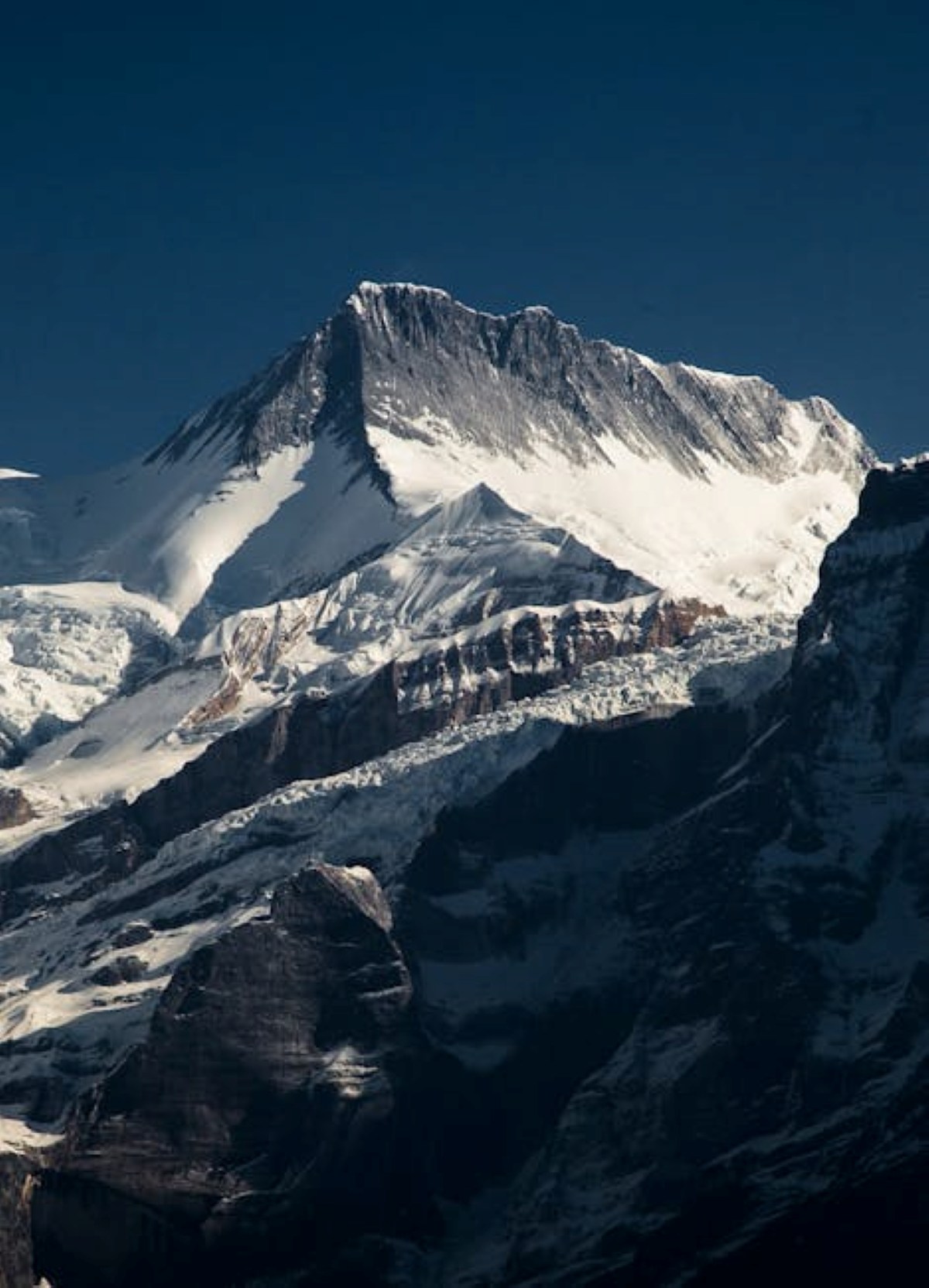
- The Pisang Peak Expedition is a premier mountaineering objective that bridges the gap between high-altitude trekking and technical alpine climbing. Rising to a formidable 6,091 meters (19,983 feet), this pyramidal peak stands as a sentinel over the Manang District of Nepal. It offers a rare vantage point where the geography of the Annapurna Massif and the arid beauty of the Tibetan plateau collide. Over a 15-day odyssey, climbers transition from the humid sub-tropical valleys of the Marsyangdi River to the thin, crystalline air of the high Himalayas, culminating in a summit that is as physically demanding as it is spiritually transformative.
- The journey begins in the atmospheric chaos of Kathmandu, a city where ancient spirituality meets modern adventure. Before the first step is taken on the trail, the expedition is shaped by the ritual of preparation—sorting gear, securing permits, and soaking in the cultural heritage of the Durbar Squares.
- The Transit to Besisahar: The drive from Kathmandu to Besisahar is a transition through the heart of Nepal. You witness the landscape shift from the bustling capital to the lush, terraced hillsides of the middle hills. Besisahar serves as the official gateway, the point where the roar of engines is replaced by the sound of trekking boots on stone and the rushing waters of the Marsyangdi River.The trek follows the legendary Annapurna Circuit, a trail often cited as the most beautiful in the world.The Gorge of Giants: As you trek toward Chame, the valley narrows into a dramatic gorge. Waterfalls cascade hundreds of feet down sheer cliffs, and the vegetation shifts from subtropical forests to groves of Oak, Maple, and eventually, the fragrant Blue Pines and Himalayan Cedars.The Cultural Tapestry: You pass through villages like Tal and Dharapani, where the architecture shifts from Hindu-style stone houses to the Tibetan-influenced flat roofs of the Manangis. Prayer wheels and Manis (stone walls inscribed with mantras) become frequent sights, signaling your entry into the Buddhist heartland of the mountains.
- The arrival at Upper Pisang Village (3,300m) is a pivotal moment. The village itself is a cluster of ancient stone dwellings clinging to a hillside. Across the valley, the Annapurna II and IV peaks tower over the landscape, their glaciers glowing ghostly white in the moonlight.
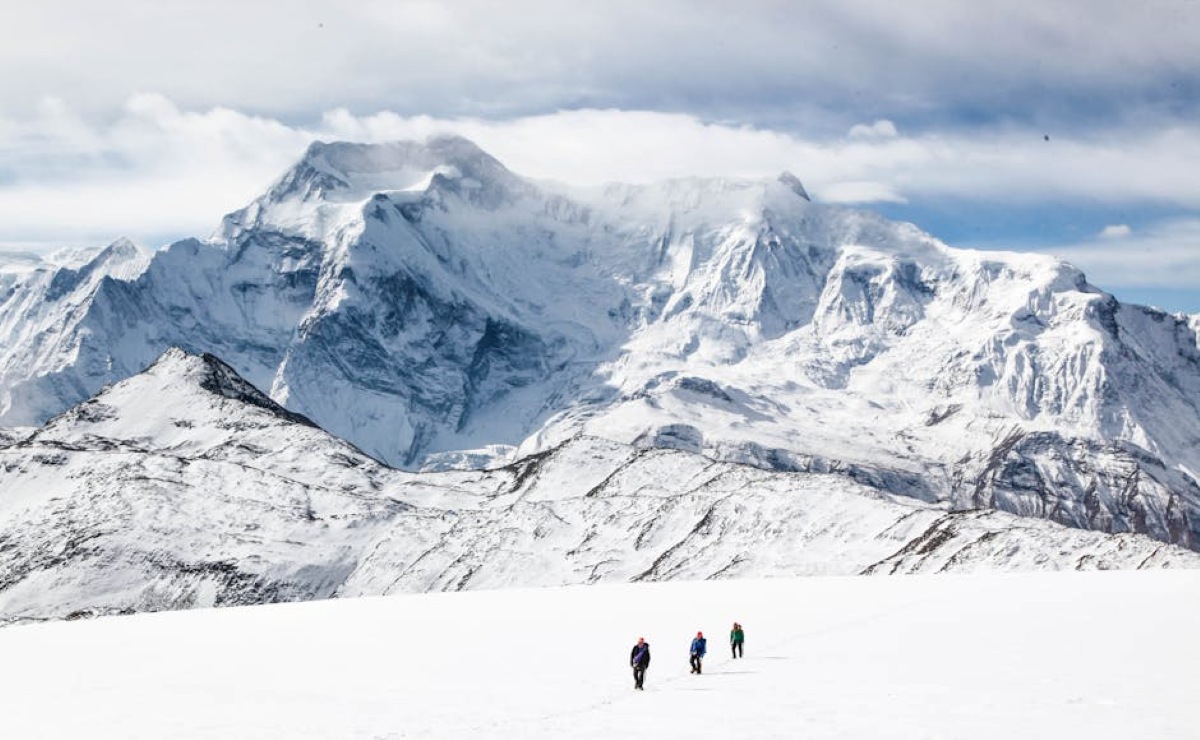
- Acclimatization and Logistics: From Upper Pisang, the trail leaves the main circuit and heads toward the Pisang Peak Base Camp (4,380m). This section involves a steep ascent through sparse juniper bushes and rocky terrain. The air grows noticeably thinner, and the silence of the high mountains begins to settle in.The transition from trekking to climbing occurs at the High Camp (5,400m). This is where the true "Mountaineering" begins.The Glacial Traverse: The route to the summit involves navigating a complex glacier on the western flank. Climbers must be proficient in crampon use and rope techniques. The terrain consists of a mixture of exposed rocky ridges and steep snow slopes (typically 40° to 45°).
- The Final Ridge: The "Crowning Challenge" is the final summit ridge. It is a sharp, aesthetic line of snow and ice that requires steady nerves and perfect footwork. The exposure here is exhilarating, with thousands of feet of air dropping away on either side, leading you toward the apex of the peak.
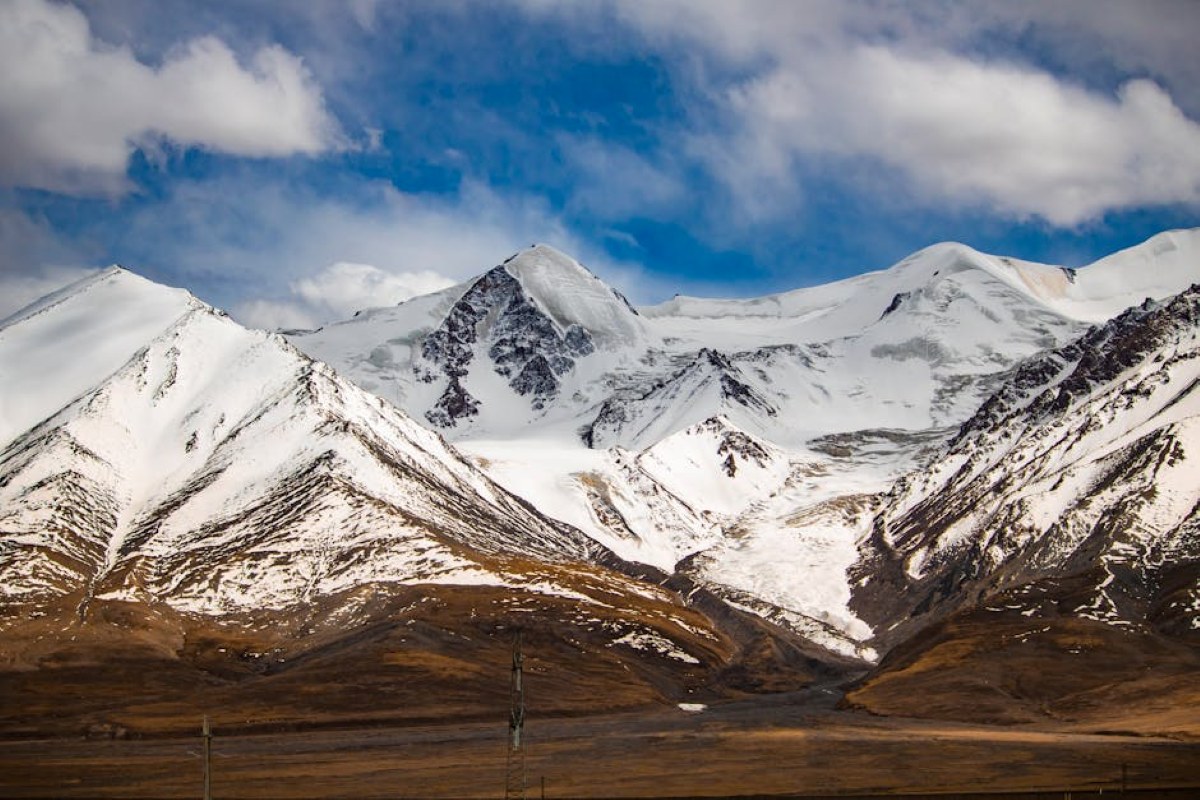
- Standing atop the 6,091-meter summit, the world is reimagined. The view is a "Massif Masterclass."
- The Annapurna Wall: Annapurna I, II, III, and IV form a wall of ice to the south.
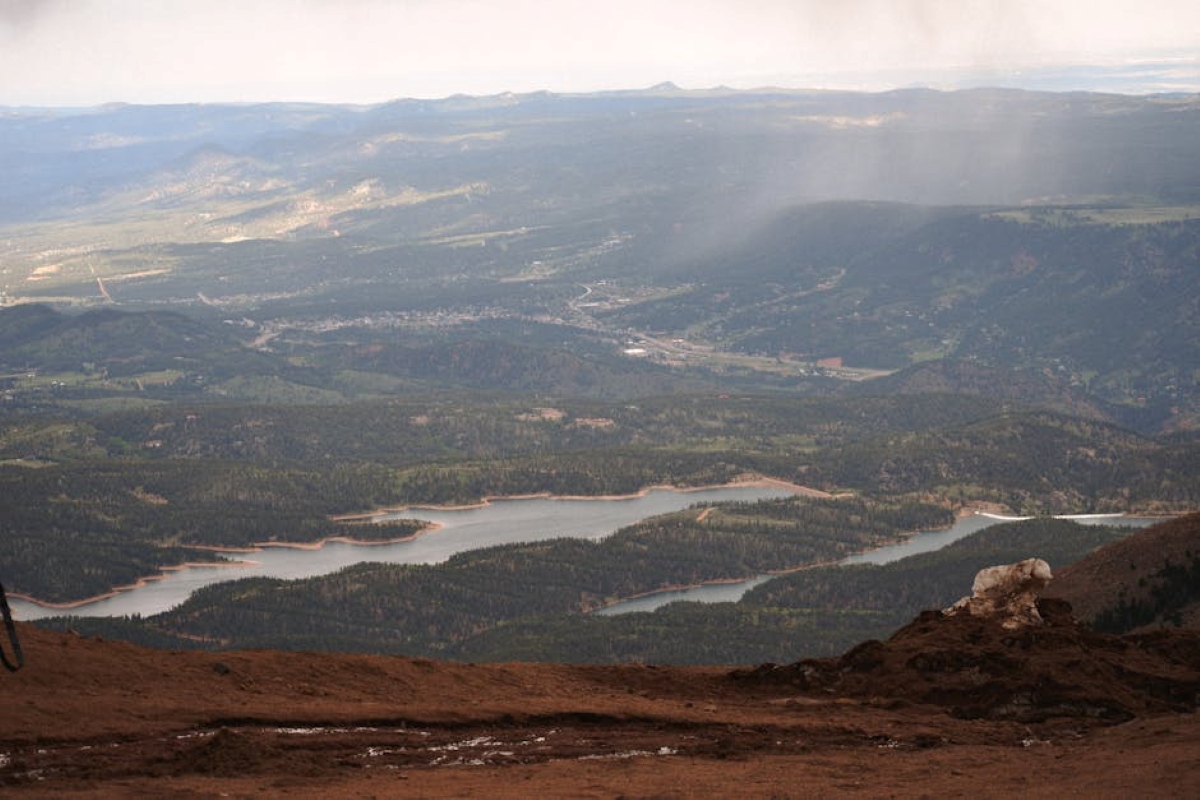
- The Manang Valley: Below, the emerald-green valley floor and the silver thread of the Marsyangdi look impossibly distant.The Giants of the North: To the west and north, the peaks of Gangapurna, Tilicho Peak, and the distant Mount Manaslu dominate the horizon.Tibetan Vistas: On clear days, the arid, brown hills of the Tibetan plateau are visible, contrasting sharply with the white ice of the Annapurnas.
- Pisang Peak is located within the ACAP (Annapurna Conservation Area Project). This region is a sanctuary for the Snow Leopard and the Himalayan Thar. The expedition emphasizes sustainable climbing—ensuring that the high camps are left pristine and that the local Manangi communities are supported. To climb Pisang is to enter a fragile high-altitude sanctuary where every breath is a privilege.
- At 6,000 meters, there is approximately 50% less oxygen than at sea level.The Heart's Effort: Your heart rate remains elevated even at rest.The Cognitive Challenge: Tasks that are simple at sea level, like tying a knot or adjusting a harness, require double the concentration. This "Mental Fog" is part of the challenge that makes the eventual summit so rewarding.
- The first two hours are spent navigating the glacier in total darkness, guided only by the narrow beam of your headlamp. The crampons make a satisfying "crunch" in the frozen crust of the snow. You are roped to your climbing partners, a physical bond that ensures safety against hidden crevasses.As the sun begins to rise, painting the summits of the Annapurnas in hues of violet and gold, you reach the steep snow slopes. The incline here increases to 45 degrees. Each step requires a "kick-step" into the snow and a rhythmic use of the ice axe. This is where Mental Determination overrides physical fatigue.The final ridge is a narrow "Knife-Edge" of snow. To your left, the mountain drops away toward the Manang Valley; to your right, the vastness of the Mustang region. Walking this ridge is the ultimate "Flow State"—total concentration on foot placement and breathing.
Duration: 15 Days, 14 Nights
Month: April to May and September to November
Region: Manang district
Trek Difficulty: Difficult
Trek fee: 85000
Max Altitude: 19,984 ft
Trek distance: 70 km
Best Period:
April to May and September to November
Stay:
Teahouses and tent
Railway Head:
Kathmandu
Food:
Veg + Eggs
WHO CAN JOIN
Age Requirement :
- Minimum Age: 18 years and above
- Experience: Previous trekking or climbing experience is required for this trek. Prior experience at altitudes above 5,000 m is strongly recommended. Having past experience of technical climbing surely helps. If the participants have any medical condition, it is highly recommended to be consulted by doctor beforehand. Experienced Climbers: Suitable only for experienced trekkers and climbers with prior high-altitude climbing experience and strong physical fitness.
- Fitness: Not suitable for those with serious medical conditions including heart conditions, high blood pressure, chronic respiratory issues, and acute mountain sickness history. Medical consultation is mandatory before joining this expedition.
Fitness Criteria
- The Trekker should have sufficient stamina to cover 5 km of distance by jogging in 35 minutes without stress or 10 km of distance in 80 minutes without stress.
- If the trekker wants to carry a backpack then he/she should be able to carry a 10-12 kg backpack. If opting for Off-load option then the trekker should be able to carry a 3-5 kg backpack.
- If a trekker's BMI is more or less than the normal range (18-29), please consult our Trek Coordinator before booking.
How to Reach
Options to Reach
By Air:Nearest international airport is Tribhuvan International Airport, Kathmandu. Direct flights available from Delhi, Mumbai, and other major Indian cities to Kathmandu.
From Kathmandu:From Kathmandu, drive to Besisahar (approximately 6 hours) which is the starting point of the trek. Your trek leader will arrange transportation from Kathmandu.
Journey Itinerary
Arrival in Kathmandu
Kathmandu to Besisahar (Drive)
Besisahar to Chame
Chame to Pisang
Rest Day at Pisang - Acclimatization
Pisang to Pisang Base Camp
Day 7 - Rest Day at Pisang Base Camp
Summit Day - Climb to Pisang Peak Summit
Base Camp to Pisang Village
Pisang to Manang
Rest Day at Manang - Acclimatization
Manang to Letdar
Letdar to Thorong Phedi
Cross Thorong La Pass - Descend to Muktinath
Muktinath to Kathmandu (Drive)
Inclusions & Exclusions
Included
- Teahouse and tented accommodation throughout the trek
- All meals (Veg + Eggs)
- Professional trek leader and climbing guide
- Climbing equipment and safety gear
- First aid kit
- Trekking and climbing permits
- Transportation from Kathmandu to Besisahar and back
- Completion certificate
Excluded
- International flights to Kathmandu
- Nepal visa fees
- Insurance
- Food during transit
- Personal expenses
- Emergency evacuation charges
- Tips and porterage
Kids Guidelines
- • No children under the age of 18 should attempt this trek due to the extreme high altitude and technical climbing sections.
- • This expedition is strictly for adults with significant prior trekking and climbing experience.
- • Trek is not suitable for anyone with high blood pressure, heart conditions, or respiratory issues.
Captured Moments

Explore More Adventures

The Langtang Valley Trek, often called the "Valley of Glaciers," is a resilient and heart-stirrin...

The Gosaikunda Trek is a breathtaking alpine journey that leads to a cluster of sacred high-altit...

The Helambu Trek is the perfect "short and sweet" Himalayan adventure located surprisingly close ...
Happens, We're There
On-ground teams and real humans supporting you, before, during, and after your tour. Help when it truly matters.
Rating & Reviews
Share Your Experience
Begin Your Adventure Journey With Us
Trek through scenic trails, conquer new heights and experience the thrill of nature with unforgettable adventures in the great outdoors.
