Stok Kangri Trek
Rs. 60000 per personBeyond Adventure
- Stok Kangri Trek represents one of the most accessible high-altitude mountaineering objectives in India, drawing adventurers from around the world to the stark and magnificent landscape of Ladakh in search of the extraordinary experience of standing on a summit that soars to 6,153 meters above sea level. This peak, rising dramatically above the Indus Valley and the ancient city of Leh, is often described as the perfect introduction to high-altitude mountaineering, combining genuine technical challenge with relative accessibility and a success rate that encourages even those making their first foray into the realm of serious altitude climbing.
- The journey to Stok Kangri base camp begins in Leh, the ancient capital of Ladakh, a city that sits at an altitude of 3,500 meters and serves as both the logistical hub for the expedition and a crucial acclimatization destination. The importance of proper acclimatization cannot be overstated in the context of this trek. The rapid gain in altitude from sea level to the heights of Ladakh can cause serious altitude sickness if adequate time is not given to the body to adapt to the reduced oxygen levels, and most experienced guides recommend spending at least two to three days in Leh before beginning the ascent toward base camp.
- From Leh, the trail winds through the village of Stok, home to the Stok Palace, the ancestral seat of the royal family of Ladakh, whose members continue to play an important role in the cultural and social life of the region. The Stok Valley, through which the approach route passes, is a landscape of dramatic contrasts, with the stark brown and ochre tones of the desert mountains offset by the brilliant green of the irrigated fields along the valley floor and the startling blue of the Indus River glimpsed in the distance. The villages of the valley are inhabited by communities of Ladakhi farmers and herders whose Buddhist faith is expressed in the prayer flags, stupas, and monasteries that punctuate the landscape.
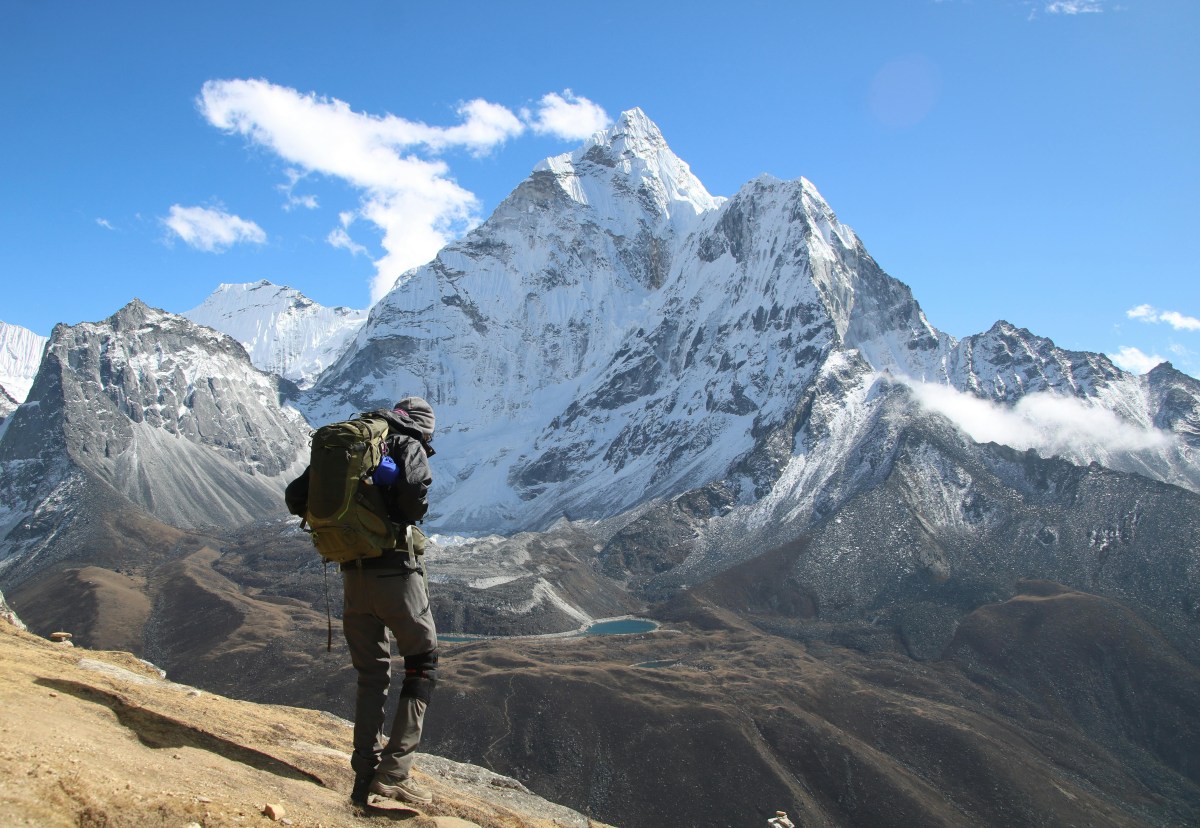
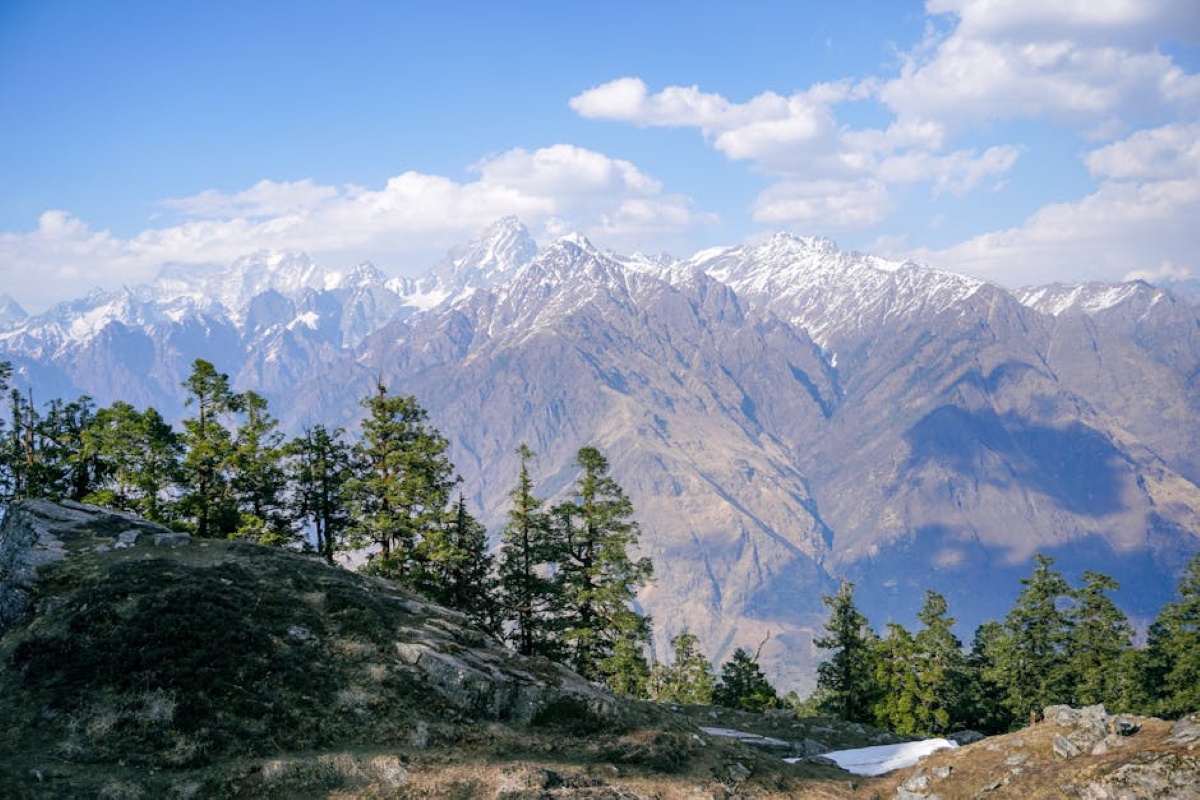
- As the trail gains elevation beyond the upper reaches of the Stok Valley, the landscape takes on an increasingly austere and otherworldly character. The vegetation becomes sparse, consisting mainly of cushion plants and hardy grasses clinging to the rocky slopes, and the scale of the surroundings expands to encompass enormous vistas of barren mountain terrain. The Stok Kangri base camp, situated at approximately 4,900 meters, is a windswept but spectacular location, with the white cone of the summit rising directly above and the brown expanse of the Ladakh Range stretching away in every direction.
- The summit bid from base camp typically begins in the early hours of the morning, with trekkers and climbers setting off by headlamp in the cold, clear darkness to make the most of the stable conditions that generally prevail in the pre-dawn hours. The ascent involves crossing a high-altitude glacier, negotiating steep snowfields, and making a final push up a ridge to the summit. Crampons, ice axe, and a harness are essential equipment for this section, and the guidance of an experienced high-altitude guide is strongly recommended. The technical demands of the summit push are well within the capabilities of fit and determined trekkers, but respect for the mountain and careful attention to safety are always paramount.
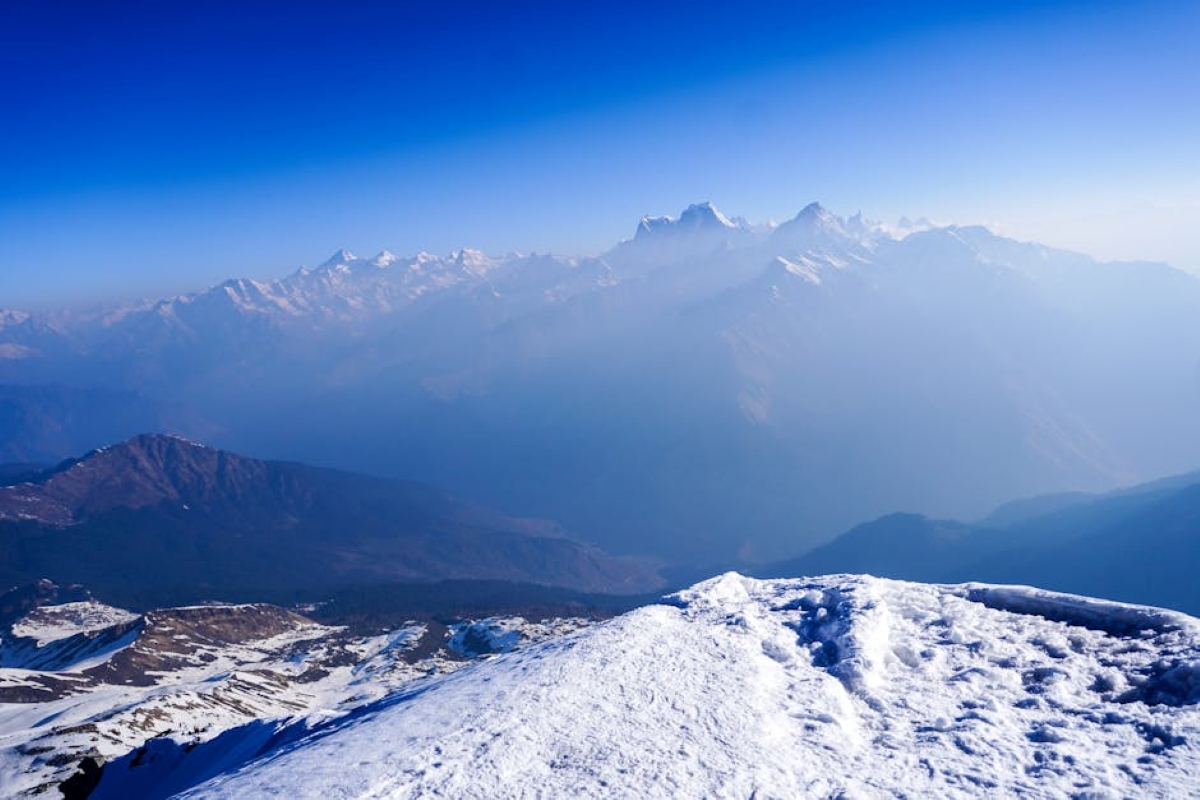
- The view from the summit of Stok Kangri is simply overwhelming. The entire panorama of Ladakh, from the Zanskar Range in the south to the Karakoram peaks on the distant northern horizon, spreads out below in a display of mountain grandeur that few other viewpoints in the world can match. The Indus Valley, looking impossibly far below, winds like a silver thread through the brown landscape, and on the clearest days, the distant giants of the Karakoram, including K2, are just visible on the horizon. Standing on this summit, a trekker feels the full weight of their achievement and the profound privilege of being in one of the most spectacular natural environments on earth.
Duration: 6 days,5 nights
Month: June to August
Region: Ladakh, Jammu and Kashmir
Trek Difficulty: Difficult
Trek fee: 60000
Max Altitude: 6153m
Trek distance: 80km
Best Period:
Mid-June to late August
Stay:
Homestays, tents
Railway Head:
Jammu Tawi
Food:
Vegetarian and non-vegetarian options available
WHO CAN JOIN
Age Requirement :
- Minimum Age: 15 years and above
- Experience: Experienced trekkers and mountaineers, those with prior high-altitude trekking experience. Prior experience of high-altitude treks, mountain climbing and camping
- Fitness: Persons with heart problems, asthma, high blood pressure, epilepsy, any other medical condition that could be exacerbated by high altitude should consult to their doctors first.
Fitness Criteria
- Good health, prior trekking and mountaineering experience, ability to walk for 5-6 hours a day
- The individual should be able to cycle continuously for 30–60 minutes on flat or mildly uneven terrain without severe exhaustion, knee pain, or breathing distress.
- The individual should be able to carry a backpack weighing approximately 20–25% of their body weight for 1–2 hours while walking, without experiencing shoulder strain, back pain, or imbalance.
- Participants are generally required to have a BMI between 18.5 and 29.9 to be considered fit for trekking, as this range is commonly accepted for managing endurance, load carrying, and altitude-related strain during treks.
How to Reach
Options to Reach
By road: Jammu Tawi is the nearest railhead, from there take a bus or taxi to Leh. By air: Leh airport receives flights from major Indian cities.
Take a train to Jammu Tawi Railway Station
From Jammu Tawi Railway Station take a bus to Leh
Journey Itinerary
Arrival Day
Journey Begins
Trek Day
Rest Day
Summit Day
Return Journey
Inclusions & Exclusions
Included
- Food
- Accommodation
- Guide charges
Excluded
- Rail/air fare
- Travel insurance
- Medical expenses
- Personal expenses
- Anything else not included in inclusion
Kids Guidelines
- • Children above 15 years can join this trek under adult supervision.
- • However, it is recommended that children be accompanied by an experienced trekker or guide.
- • The trek's high altitude and challenging terrain may not be suitable for young children.
- • Parents should carefully consider their child's physical fitness and prior experience before joining this trek.
Captured Moments

Explore More Adventures

The Langtang Valley Trek, often called the "Valley of Glaciers," is a resilient and heart-stirrin...

The Gosaikunda Trek is a breathtaking alpine journey that leads to a cluster of sacred high-altit...

The Helambu Trek is the perfect "short and sweet" Himalayan adventure located surprisingly close ...
Happens, We're There
On-ground teams and real humans supporting you, before, during, and after your tour. Help when it truly matters.
Rating & Reviews
Share Your Experience
Begin Your Adventure Journey With Us
Trek through scenic trails, conquer new heights and experience the thrill of nature with unforgettable adventures in the great outdoors.
