Tamang Heritage Trail Trek
Rs. 45000 per personBeyond Adventure
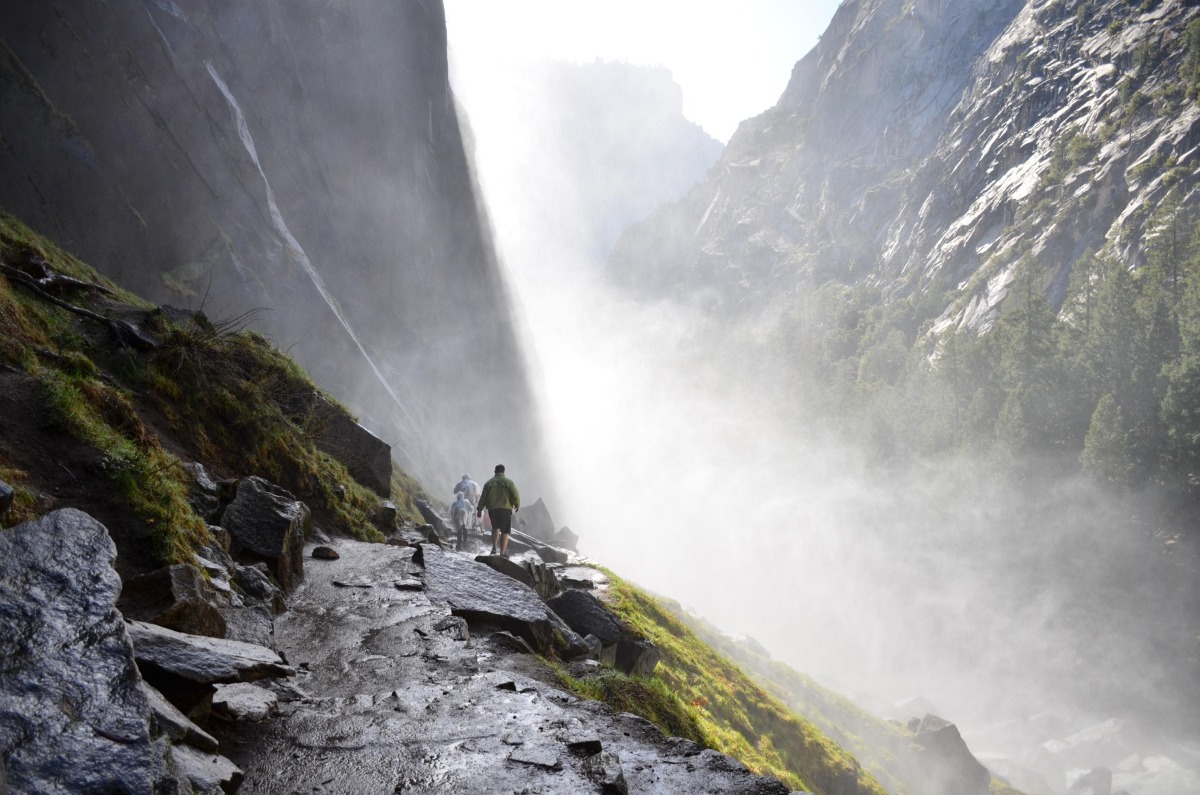
- The Tamang Heritage Trail Trek is a profound exploration into the cultural soul of the Langtang region, offering a journey that is as much about the people as it is about the soaring Himalayan peaks. This trail was meticulously designed to provide trekkers with an authentic encounter with the Tamang community, whose ancestors migrated from Tibet centuries ago as horse traders and warriors. Unlike the more crowded and commercialized trails of the Everest or Annapurna regions, the Tamang Heritage Trail remains a hidden gem where the pace of life is dictated by the seasons and ancient Buddhist traditions. The journey begins with a long and scenic drive from the chaotic streets of Kathmandu, winding through the terraced hillsides and deep river valleys of the Trishuli River. As you reach the trailhead at Syabrubesi, the air turns crisp and the roar of the river sets the tone for the adventure ahead. The trail immediately begins its ascent, taking you away from the modern road and into a landscape of dense forests and traditional farmsteads where life remains deeply connected to the earth.
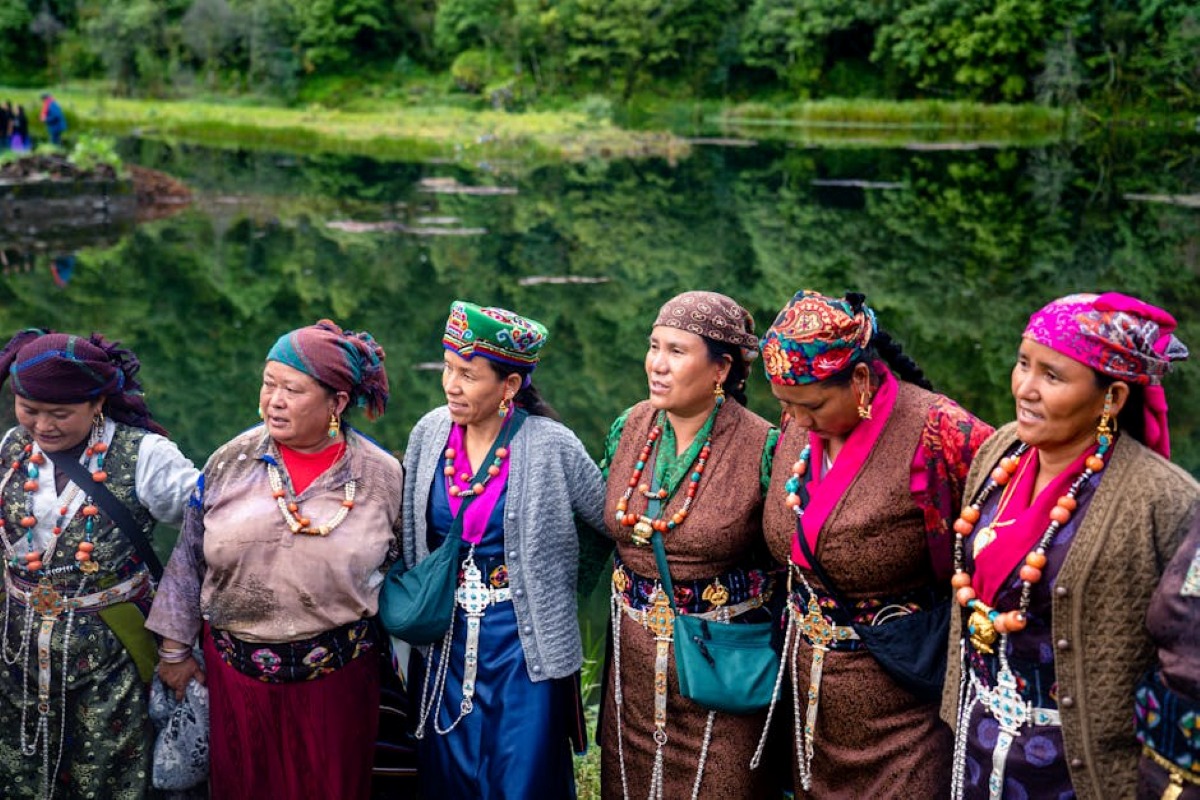
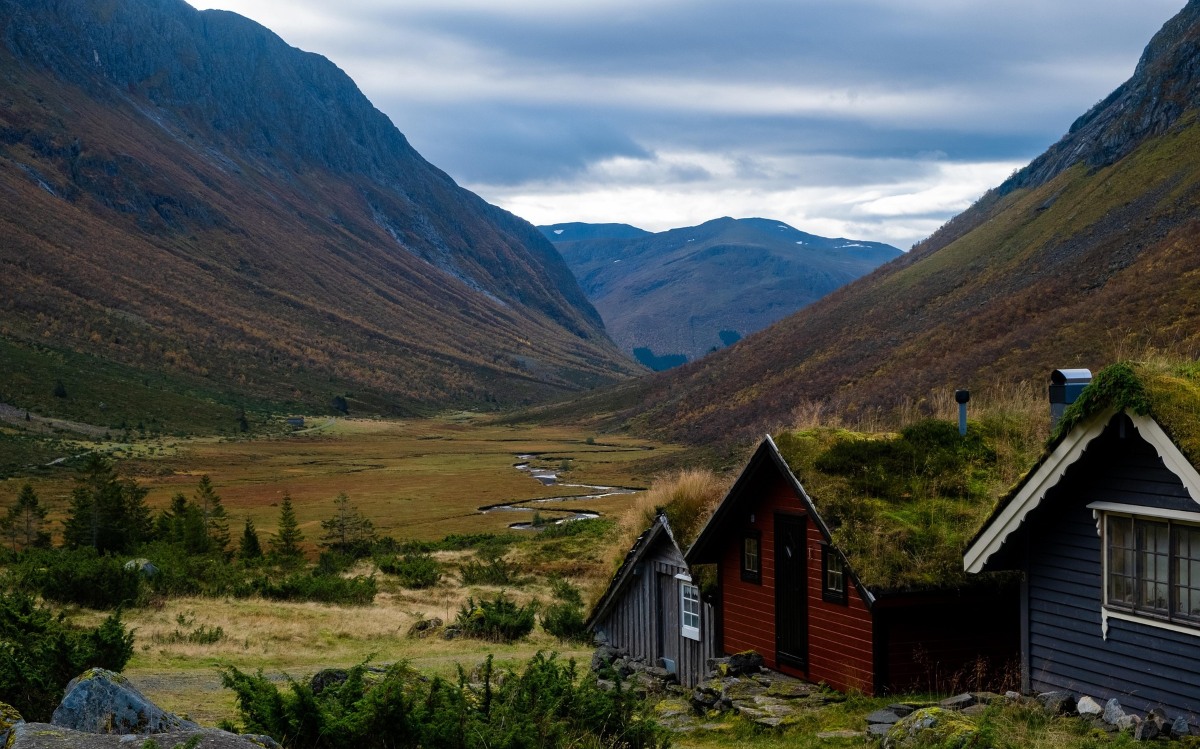
- As you move deeper into the trail, the village of Gatlang emerges as a stunning example of traditional Himalayan architecture. The houses here are constructed from locally quarried stone and topped with hand-carved wooden shingles, creating a monochromatic beauty that blends perfectly with the rugged mountainside. Walking through the narrow, winding alleys of Gatlang feels like stepping into a medieval painting. The local people, dressed in their traditional maroon and black attire, greet visitors with genuine warmth and curiosity. This village is also home to the sacred Parvati Kunda, a high-altitude lake that holds immense spiritual significance for both Buddhists and Hindus. During Janai Purnima, thousands of pilgrims flock here to bathe in its holy waters, but during the trekking season, it remains a place of profound silence and reflection. The surrounding hills are draped in prayer flags that flutter in the wind, carrying prayers for peace and prosperity across the valley.
- The transition from Gatlang toward the natural hot springs of Tatopani is one of the most physically rewarding stretches of the trek. The trail passes through ancient forests where moss-covered trees and wild orchids create a mystical atmosphere. Tatopani, which literally translates to "Hot Water," was once a bustling center where trekkers and locals alike would soak in the geothermal springs to heal their aching muscles and skin ailments. Although the main springs were affected by the 2015 earthquake, the spirit of the place remains unchanged, and new bathing areas have been developed to preserve this tradition. Soaking in these waters while looking up at the snow-capped peaks of the Ganesh Himal range is a sensory experience that defines the luxury of the wilderness. It is a moment of total immersion in nature, where the heat of the earth meets the cold of the mountain air.
- From Tatopani, the trail climbs toward the high-altitude ridge of Nagthali Danda, which stands at an elevation of 3,165 meters. This is the highest point of the trek and serves as the ultimate viewpoint of the region. Nagthali was historically used as a meditation retreat for monks, and it is easy to see why. The panoramic views from this ridge are staggering, encompassing the entire Langtang Lirung massif, the jagged spires of Ganesh Himal, and the distant, rolling plateaus of Tibet. The border with Tibet is so close that you can clearly see the Chinese roads and outposts on the other side of the mountains. This proximity to the border has heavily influenced the local culture, language, and religion. The ridge itself is a vast, open meadow where the silence is only broken by the occasional sound of a distant monastery horn or the whistling wind. It is a place that invites deep contemplation and provides a sense of perspective on the sheer scale of the Himalayas.
- Descending from Nagthali, the trail leads you into the village of Thuman, where the Tibetan influence is even more pronounced. The village is famous for its Shamanic traditions and ancient Buddhist rituals. Here, you might witness a "Lama" performing a healing ceremony or see the intricate process of wool spinning and weaving that provides the community with their warm clothing and rugs. The hospitality in Thuman is centered around the homestay concept, where families open their doors and kitchens to travelers. Sitting around a traditional wood-fired stove, drinking cups of salt-butter tea, and sharing a meal of "Dhido" and local greens is the heart of the Tamang Heritage experience. These interactions bridge the gap between traveler and local, turning a simple trek into a shared human experience. The stories told by the elders about the history of their ancestors and their resilience in the face of mountain life are as captivating as the mountains themselves.
- The final leg of the trek takes you through Briddim, a village that has become a model for sustainable community-based tourism. Briddim is part of the "Great Himalaya Trail" and is known for its impeccably clean houses and beautifully maintained monasteries. The village is organized around a central courtyard where community events and religious dances take place. The Dukchu Gomba monastery here is a site of great antiquity and serves as the cultural heart of the village. The trek back to Syabrubesi follows the contour of the hills, passing through lush green forests that are a habitat for the elusive Red Panda and various species of Himalayan birds. By the time you return to the trailhead, you have completed a full circle of culture, nature, and spirituality. The Tamang Heritage Trail Trek is not a journey of conquering peaks, but a journey of understanding a culture that has survived in harmony with one of the harshest environments on earth. It leaves you with a profound respect for the Tamang people and a collection of memories that are far more valuable than any photograph.
Duration: 6 days,5 nights
Month: March to May and September to November
Region: Langtang Region, Nepal
Trek Difficulty: Easy to Moderate.
Trek fee: 45000
Max Altitude: 5,006m
Trek distance: 32 km
Best Period:
March to May and September to November
Stay:
Guesthouses and Tea houses
Railway Head:
Kathmandu
Food:
Local cuisine, Nepali buffet
WHO CAN JOIN
Age Requirement :
- Minimum Age: 8 years
- Experience: No previous high-altitude trekking experience is required. It is an ideal "First Trek" in Nepal for families and beginners.
- Fitness: Trekkers should be able to walk for 4–6 hours daily on undulating terrain.
Fitness Criteria
- Ability to jog 3-5 km in 30 minutes or walk 8 km comfortably as a stamina benchmark.
- A small 3-5 kg daypack for essentials is sufficient if using porter services.
How to Reach
Pick-Up Information
Transfer via a private 4WD Jeep or local bus for a scenic journey through the hills of central Nepal.
Options to Reach
Access to the Tamang Heritage Trail is exclusively by road; there are no active domestic airports in the Rasuwa district for this route.
Road Option
A 7–9 hour drive from Kathmandu to Syabrubesi via Trishuli and Dhunche. The road is paved for most parts but becomes bumpy near the Langtang National Park entry point.
Journey Itinerary
Drive from Kathmandu to Syabrubesi
Trek to Gatlang
Trek to Tatopani
Trek to Thuman
Trek to Briddim
Trek back to Syabrubesi and Drive to Kathmandu
Inclusions & Exclusions
Included
- Permits: Langtang National Park Entry Permit and TIMS (Trekkers' Information Management System) card.
- Transport: Round-trip road transportation from Kathmandu to Syabrubesi.
- Stay: Teahouse and authentic Village Homestay accommodations.
- Meals: Full board meals (Breakfast, Lunch, Dinner) during the trek.
- Guide: Government-licensed, English-speaking local guide.
Excluded
- Nepal Visa: Fee for the Nepal entry visa.
- Insurance: Personal travel and medical insurance.
- Personal Bills: Wi-Fi, battery charging, hot showers, and laundry.
- Drinks: Bottled water, soft drinks, and alcohol.
- Tips: Gratuity for the guide and porters.
Kids Guidelines
- • This is one of the best "Kids-friendly" treks in Nepal. The trails are moderate, and the maximum altitude is safe for children. Encourage kids to engage with local Tamang children to learn about their school life and traditions. Ensure they stay warm at night as teahouse rooms can get chilly.
Captured Moments

Explore More Adventures

The Langtang Valley Trek, often called the "Valley of Glaciers," is a resilient and heart-stirrin...

The Gosaikunda Trek is a breathtaking alpine journey that leads to a cluster of sacred high-altit...

The Helambu Trek is the perfect "short and sweet" Himalayan adventure located surprisingly close ...
Happens, We're There
On-ground teams and real humans supporting you, before, during, and after your tour. Help when it truly matters.
Rating & Reviews
Share Your Experience
Begin Your Adventure Journey With Us
Trek through scenic trails, conquer new heights and experience the thrill of nature with unforgettable adventures in the great outdoors.
