Upper Mustang Trek
Rs. 42000 per personBeyond Adventure
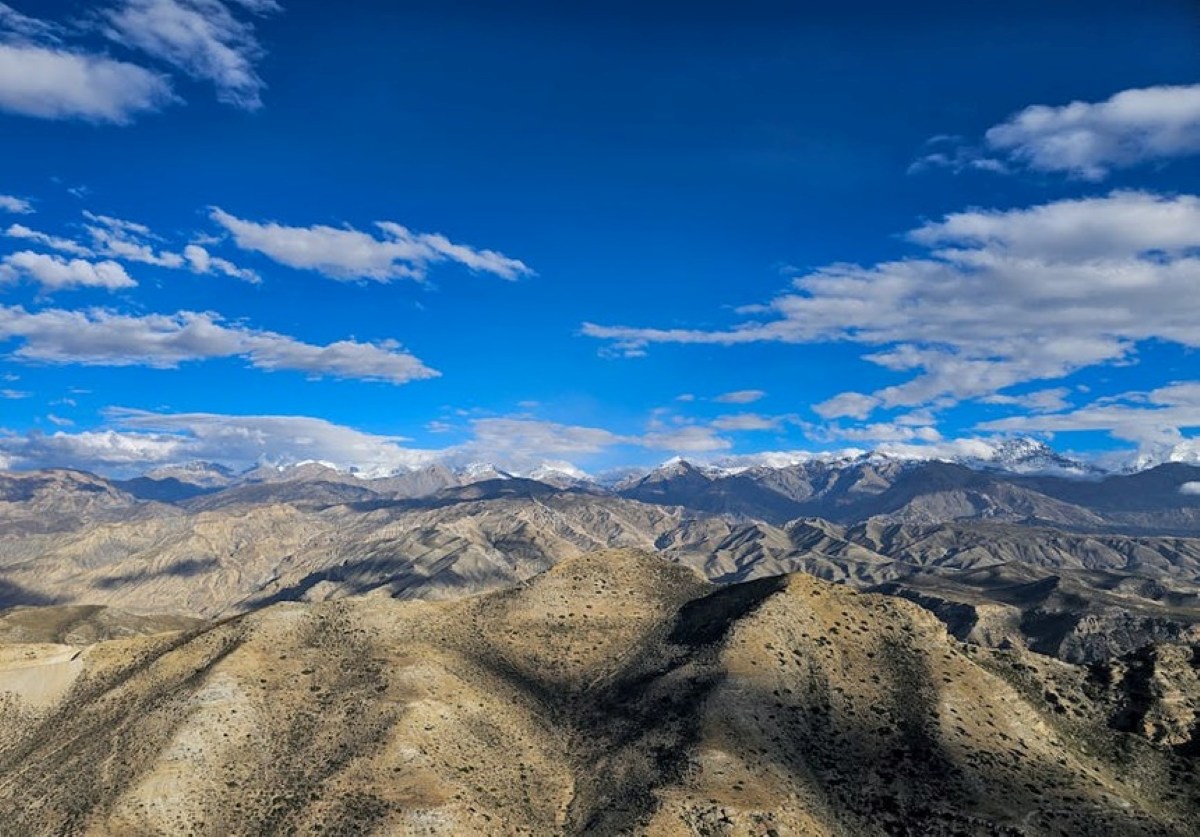
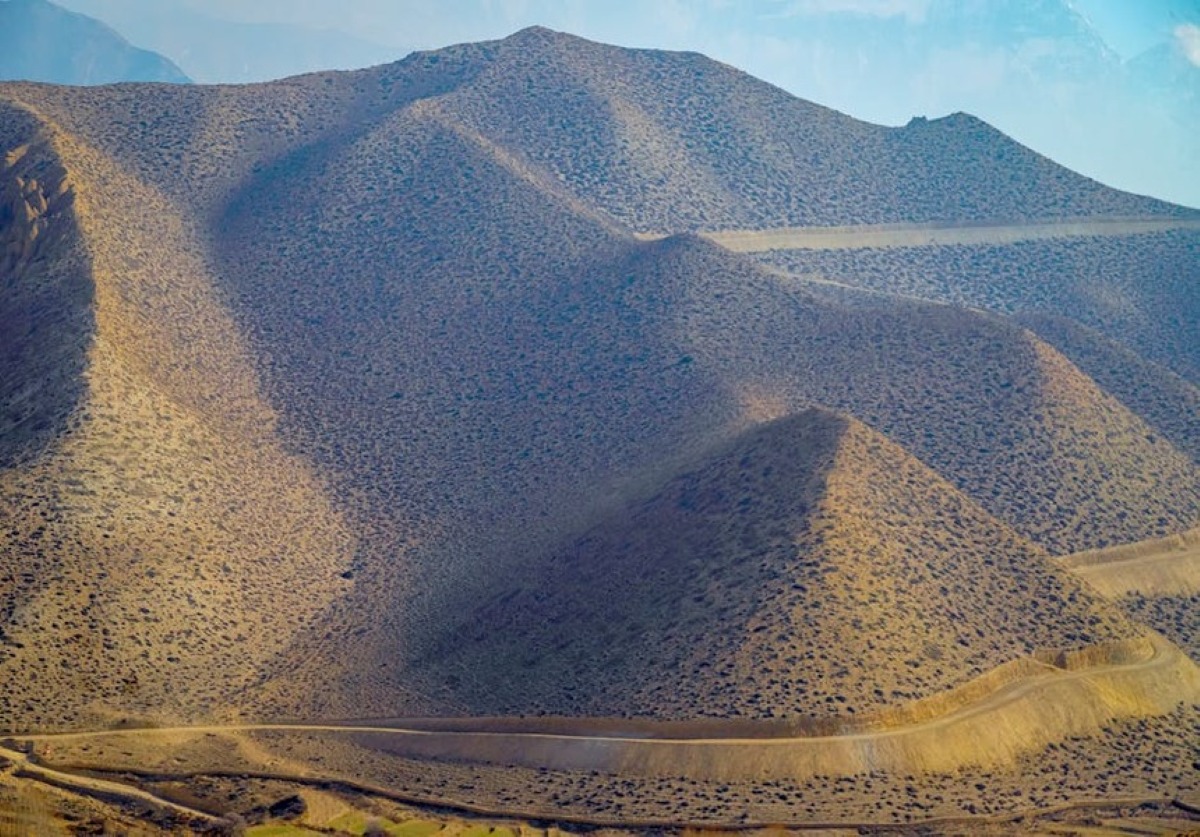
- The Upper Mustang Trek is a journey into the forbidden kingdom of Lo, a high-altitude desert that remains one of the last bastions of pure Tibetan culture on earth. For centuries, this region was closed to outsiders, creating a time-capsule of human civilization hidden behind the rain-shadow of the Annapurna and Dhaulagiri massifs. To walk through Upper Mustang is not merely to trek through a landscape, but to travel through time into a world of medieval fortifications, ancient monasteries, and a geology so surreal it feels like another planet. The region is characterized by its stark, wind-eroded cliffs, deep canyons, and a palette of ochre, red, and brown earth that stands in sharp contrast to the deep blue Himalayan sky.
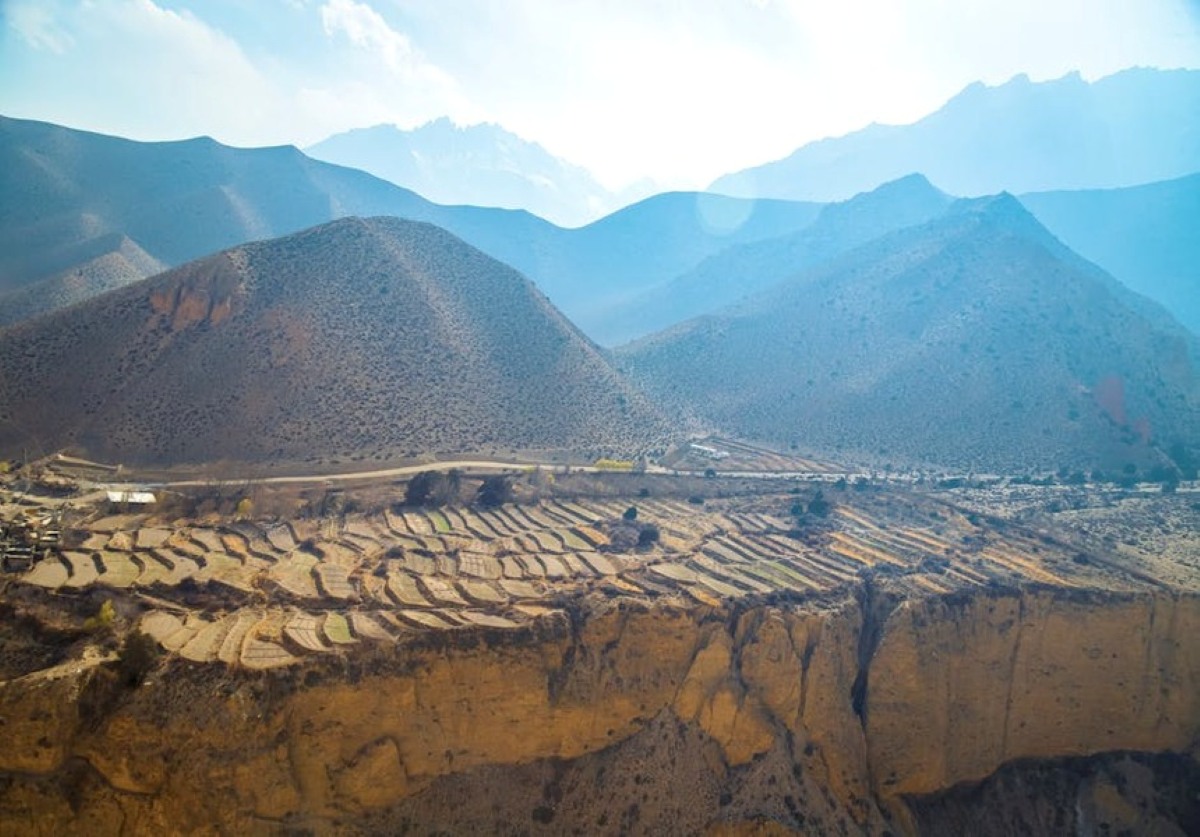
- Geographically, Upper Mustang is a part of the Tibetan Plateau, and its environment is vastly different from the lush green valleys typical of the Nepalese Himalayas. The trail follows the ancient salt caravan route along the Kali Gandaki River, the deepest gorge in the world. Because it lies in the rain-shadow, the region remains dry and arid, making it one of the few places in Nepal where trekking is ideal even during the monsoon season. The terrain is a masterpiece of natural erosion, featuring massive "fairy chimneys" and cliff walls perforated by thousands of man-made sky caves. These caves, some perched hundreds of feet above the valley floor, were used as dwellings, burial chambers, and meditation retreats over two thousand years ago, and they remain one of the greatest archaeological mysteries of the Himalayas.
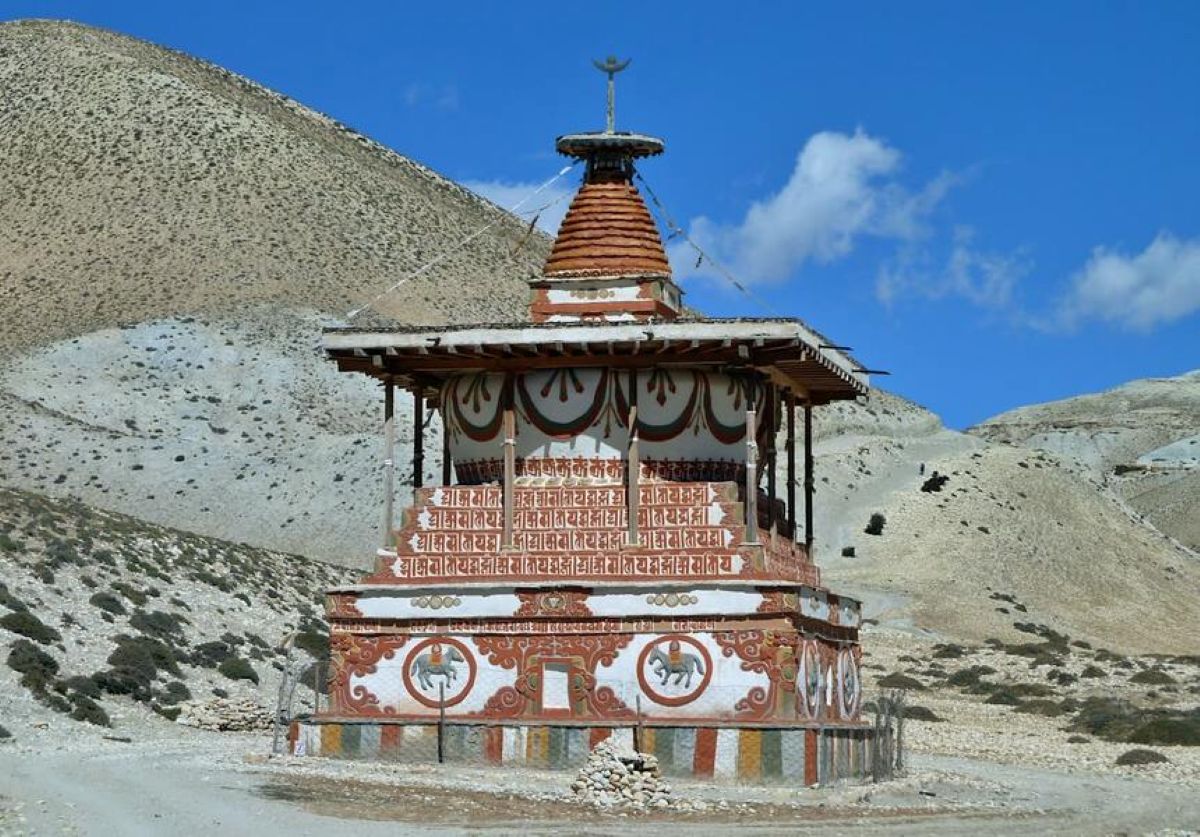
- The cultural heart of the trek is the walled city of Lo Manthang, the capital of the former Kingdom of Lo. Surrounded by a massive mud-brick wall, the city is a labyrinth of narrow stone alleys and white-washed houses. Within its walls lie some of the most significant Buddhist sites in the world, including the Jampa Lhakhang and Thubchen Gompa. These monasteries house massive statues of Maitreya Buddha and intricate wall paintings that date back to the 15th century, representing the pinnacle of Sakya-pa Buddhist art. The people of Mustang, known as Loba, maintain a lifestyle dictated by the harsh environment and their deep spiritual faith. Their festivals, such as the Tiji Festival, are vibrant displays of ritual dances and ancient costumes designed to drive away demons and bring prosperity to the valley.
- The trek offers a unique perspective on the relationship between man and nature. In this desert landscape, every village is a literal oasis, marked by bright green patches of barley and buckwheat fields irrigated by glacial meltwater. The contrast between the dry, desolate mountains and the lush, life-sustaining greenery of the villages is a testament to the ingenuity of the Loba people. As you cross high passes like the Lo La at nearly four thousand meters, the view opens up to show the vastness of the Tibetan plateau to the north and the snow-capped giants of Annapurna and Dhaulagiri to the south. This juxtaposition of the desert and the ice is the defining visual characteristic of the Mustang experience.
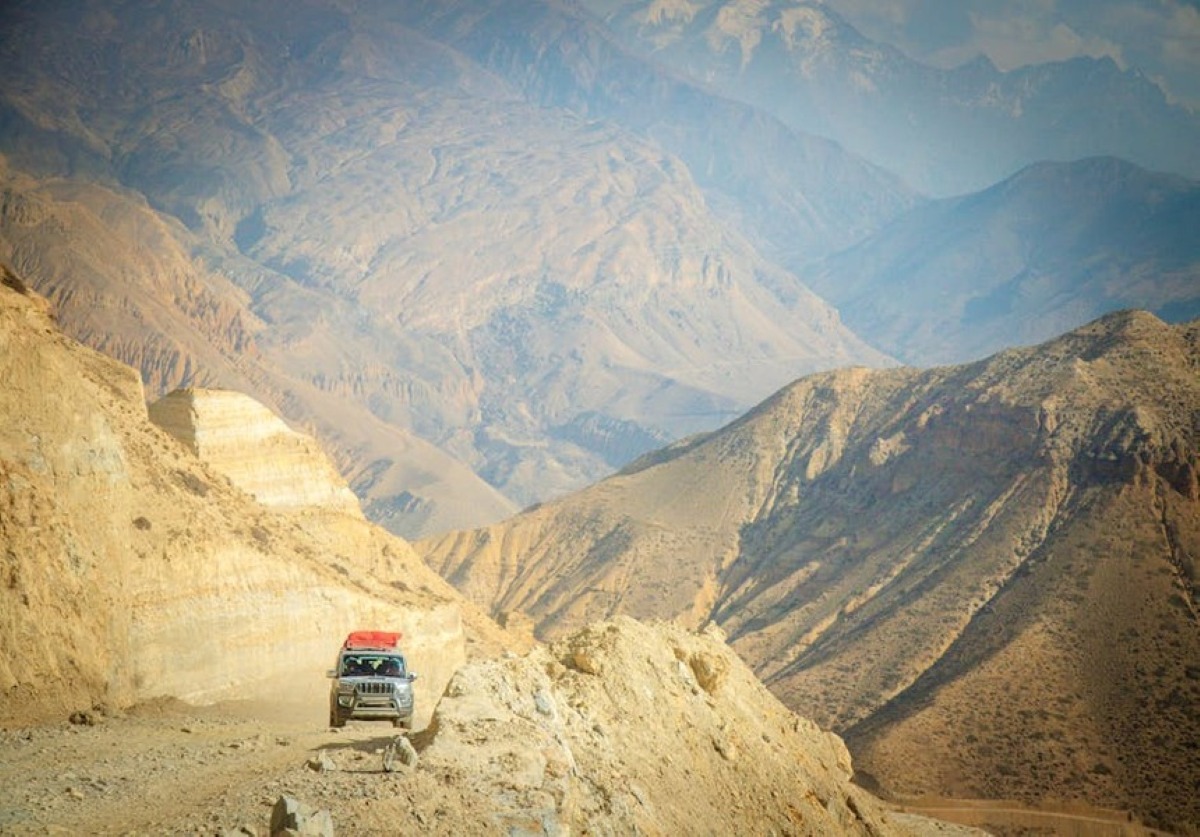
- Modernity has slowly begun to reach Mustang with the construction of a motorable road, but the spirit of the region remains untouched. The silence of the high plateaus is still dominated by the whistling of the wind and the fluttering of prayer flags. Staying in local teahouses allows trekkers to experience the warmth of Mustang’s hospitality, where evenings are spent drinking butter tea and eating local bread around a central stove. The Upper Mustang Trek is ultimately a pilgrimage for the soul, offering a rare opportunity to witness a civilization that has survived in isolation for a millennium. It is a journey for those who seek silence, history, and a landscape that challenges the imagination.
Duration: 14 days,13 nights
Month: Sep, Oct, Nov, Apr, May, Jun
Region: Upper Mustang, Nepal
Trek Difficulty: Difficult
Trek fee: 42000
Max Altitude: 4,200 meters above sea level
Trek distance: 120 to 140 km
Best Period:
September, October, November, April, May, June, and July
Stay:
Tea house and camping
Railway Head:
Kathmandu or Bensisar
Food:
Nepali and Tibetan cuisine
WHO CAN JOIN
Age Requirement :
- Minimum Age: 10 Years
- Experience: Prior high-altitude experience or a good physical condition is recommended, as well as adaptability and patience
- Fitness: Focus on steady endurance. Walking 6 hours a day is standard, so daily walking/jogging for 1 month prior is recommended.
Fitness Criteria
- Jogging: Ability to cover 5 km in 35 minutes or 10 km in 80 minutes without stress.
- Capacity to cycle 10 km in 30 minutes (relevant as Mustang has many jeepable tracks).
- Weight: If carrying your own bag, expect to handle 10–12 kg. If using a porter, carry a light 3–5 kg daypack for daily essentials like water, camera, and windproof layers. Total Limit: Porter luggage is strictly capped at 15 kg per person.
- Ideally between 18.5 – 28.0.
How to Reach
Pick-Up Information
From Base Point: Once you arrive at the trekking starting point, your licensed guide and support staff will meet you. After a brief orientation and equipment check, the trek officially begins. The well-maintained trail is clearly marked, though hiring a local guide is highly recommended for safety, cultural insights, and navigation support.
Options to Reach
Access involves a combination of road and mountain flights.
Flight: 25-minute flight from Kathmandu to Pokhara, followed by a 20-minute flight from Pokhara to Jomsom.
Road: 6–8 hour tourist bus ride from Kathmandu to Pokhara, then a private Jeep to Jomsom/Kagbeni (approx. 8–10 hours).
Journey Itinerary
Drive from Kathmandu to Pokhara
Fly to Jomsom and Trek to Kagbeni
Trek to Chele
Trek to Syangboche
Trek to Ghami
Trek to Tsarang
Trek to Lo Manthang
Exploration Day in Lo Manthang
Trek to Dhakmar
Trek back to Syangboche
Trek to Chhusang
Trek to Jomsom
Fly to Pokhara and Transfer to Hotel
Drive/Fly back to Kathmandu
Inclusions & Exclusions
Included
- Special Permits: Includes the Restricted Area Permit (RAP) and Annapurna Conservation Area Permit (ACAP).
- Accommodation: Twin-sharing teahouses during the trek and standard hotels in Pokhara/Kathmandu.
- Staff: Government-licensed guide and porters (1 porter for 2 trekkers).
- Transport: Flights (Pokhara-Jomsom-Pokhara) or private Jeep transfers.
Excluded
- Tips: Gratuities for the trekking crew (customary in Nepal).
- Personal Drinks: Alcohol, canned sodas, and boiled/bottled water.
- Connectivity: Fees for satellite WiFi and electronic device charging at remote teahouses
Kids Guidelines
- • Moderate Altitude: The max height is manageable for children over 10, as most walking happens below 4,000m.
- • Adventure Factor: Kids love exploring the "Swiss Cheese" sky caves and learning about the "Hidden Kingdom."
- • Vehicle Backup: Since a dirt road exists for much of the route, a Jeep can be hired locally if children get tired.
- • Safe Trails: The paths are generally wide and not technically difficult or "airy."
Captured Moments

Explore More Adventures

The Langtang Valley Trek, often called the "Valley of Glaciers," is a resilient and heart-stirrin...

The Gosaikunda Trek is a breathtaking alpine journey that leads to a cluster of sacred high-altit...

The Helambu Trek is the perfect "short and sweet" Himalayan adventure located surprisingly close ...
Happens, We're There
On-ground teams and real humans supporting you, before, during, and after your tour. Help when it truly matters.
Rating & Reviews
Share Your Experience
Begin Your Adventure Journey With Us
Trek through scenic trails, conquer new heights and experience the thrill of nature with unforgettable adventures in the great outdoors.
