


Real support, not just a booking confirmation
From the moment you reserve until you return home, our team stays close with practical help, honest updates, and calm guidance when plans shift.
Duration: 20 Days, 19 Nights
Best Period: March to May and September to November
Region: Solu-Khumbu
Trek Difficulty: Moderate
Max Altitude: 5550m
Trek distance: 160km
Food: Local Cuisine
Stay: Guesthouses and Tea Houses
Railway Head: Jiri or Lukla

Flexible travel choices
To begin your Everest High Pass Trek, you'll need to reach the designated starting point through the following routes:
By Air: The nearest airport is typically connected to major cities through regular flights. Domestic flights operate daily during trekking season (March-May and September-November), with morning departures offering the best weather conditions. It's highly recommended to book flights at least 2-3 weeks in advance during peak season.
By Road: Road access is available from major cities, though the journey can take several hours depending on road conditions and distance. Private vehicles, shared jeeps, and tourist buses are common transportation options. The drive itself is scenic, offering glimpses of rural life and mountain landscapes.
From Base Point: Once you arrive at the trekking starting point, your licensed guide and support staff will meet you. After a brief orientation and equipment check, the trek officially begins. The well-maintained trail is clearly marked, though hiring a local guide is highly recommended for safety, cultural insights, and navigation support.
Everything parents need to know to make this trek safe, fun and worry-free for young adventurers.
The Everest High Pass Trek can be undertaken by older children and teenagers, but requires careful consideration and preparation:
Age Suitability: Based on the trek's difficulty level of Moderate and maximum altitude of 5550m, children should be physically active, have prior trekking experience, and demonstrate ability to walk 5-6 hours daily on uneven terrain.
Parental Supervision: Children under 16 years must be accompanied by at least one parent or legal guardian throughout the trek. The accompanying adult should be experienced in trekking and capable of recognizing and responding to altitude-related issues in children.
Physical Preparation: At least 2-3 months before the trek, children should engage in regular physical activities including hiking, cycling, and endurance training. Practice walks with a loaded backpack help build stamina and confidence.
Altitude Considerations: Children can be more susceptible to altitude sickness than adults. Extra acclimatization days should be built into the itinerary, and parents must be vigilant for symptoms including headache, nausea, fatigue, or difficulty sleeping. Immediate descent is necessary if symptoms develop.
Safety and Support Services:Dedicated kids' guides available on request (additional cost)
Porters to carry children's equipment and supplies
Smaller group sizes recommended for better supervision
First aid trained staff and emergency communication devices
Mandatory evacuation insurance for all trekkers including minors

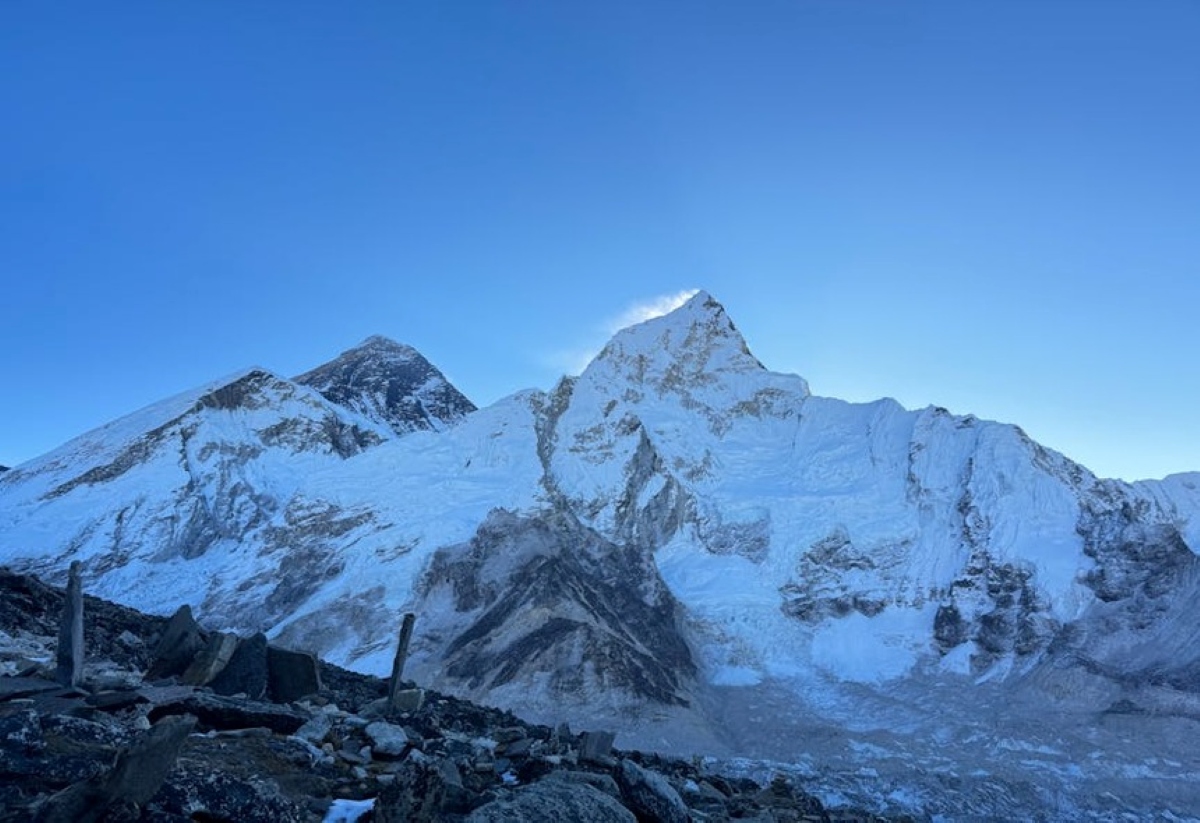
On-ground teams and real humans supporting you, before, during, and after your tour. Help when it truly matters.
From the moment you reserve until you return home, our team stays close with practical help, honest updates, and calm guidance when plans shift.
You’re assisted by real people who understand your booking, not automated responses or disconnected vendors.
Support during delays, missed confirmations, medical issues, or other unforeseen events while travelling.
Reach our team anytime via WhatsApp or call for clarity, reassurance, or intervention.
We don't disappear after payment. Our responsibility continues through your journey.
Trek through scenic trails, conquer new heights and experience the thrill of nature with unforgettable adventures in the great outdoors.

Youngguns Trekker is where adventure, connection and unforgettable memories come together.
203, Supreme Center,
ITI Road, Above PNG Jewellers,
Near Parihar Chowk, Aundh, Pune-411007
Copyright © Designed and Developed by Gut Lernen Technocraft Pvt. Ltd.